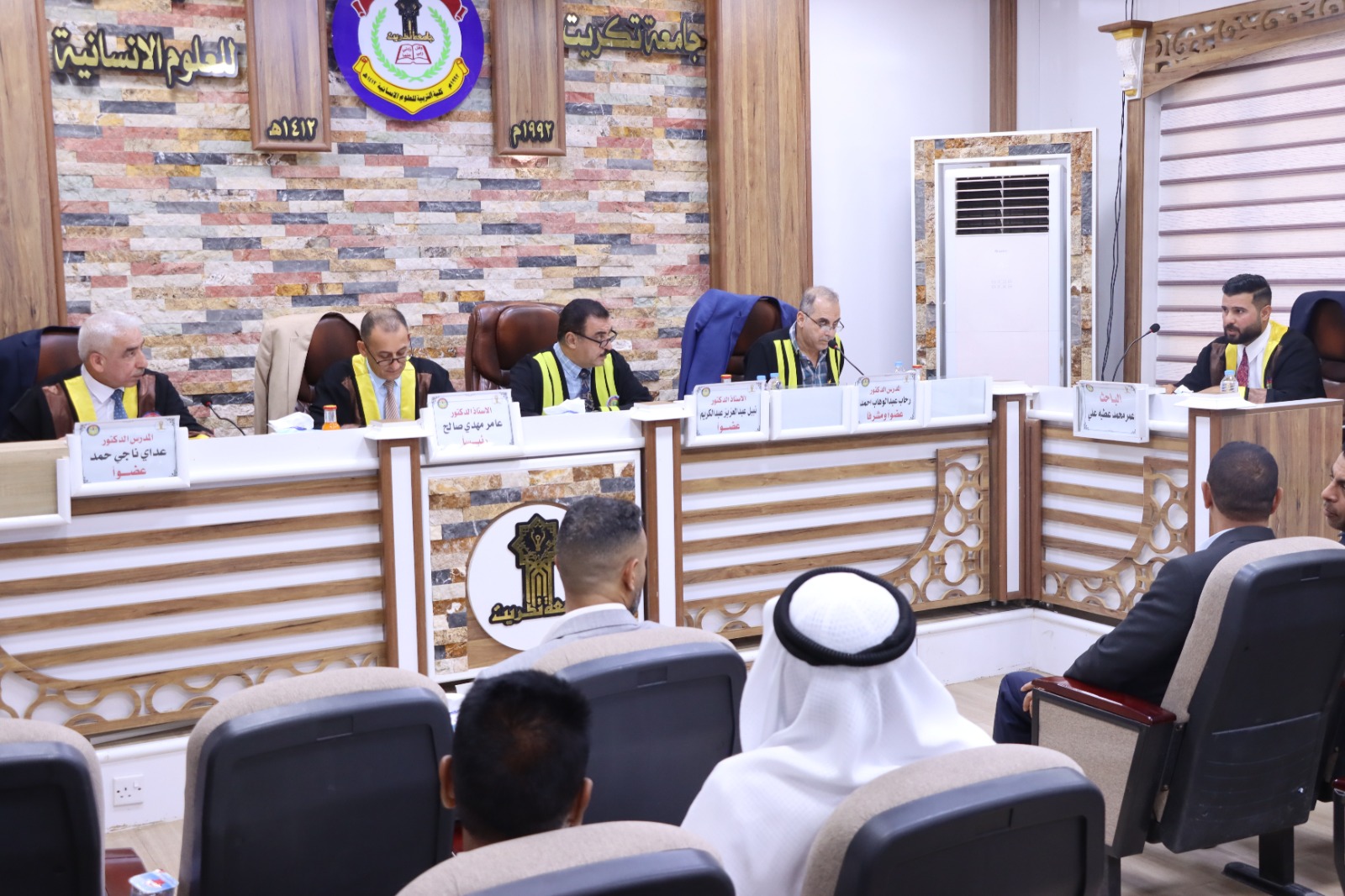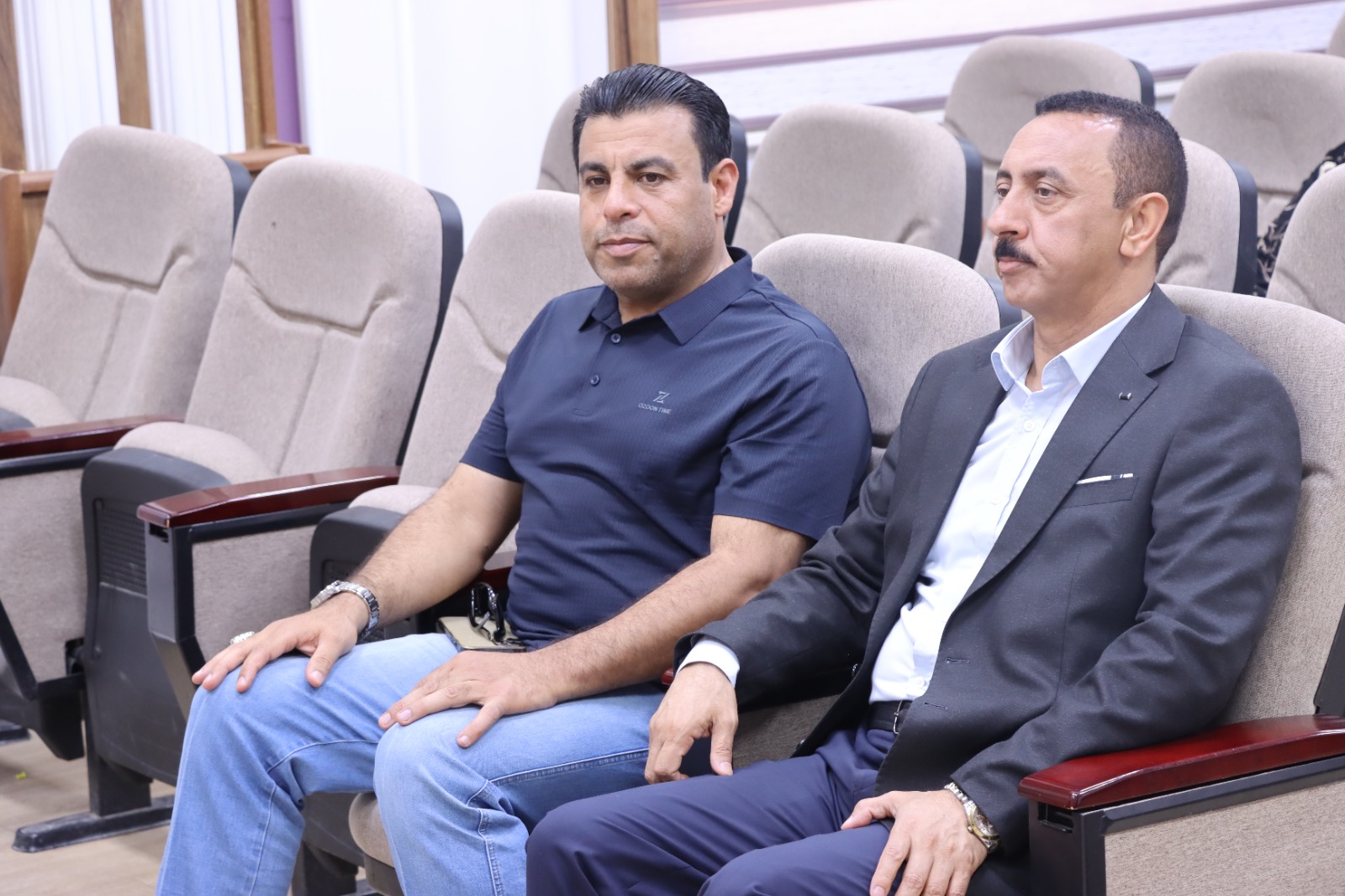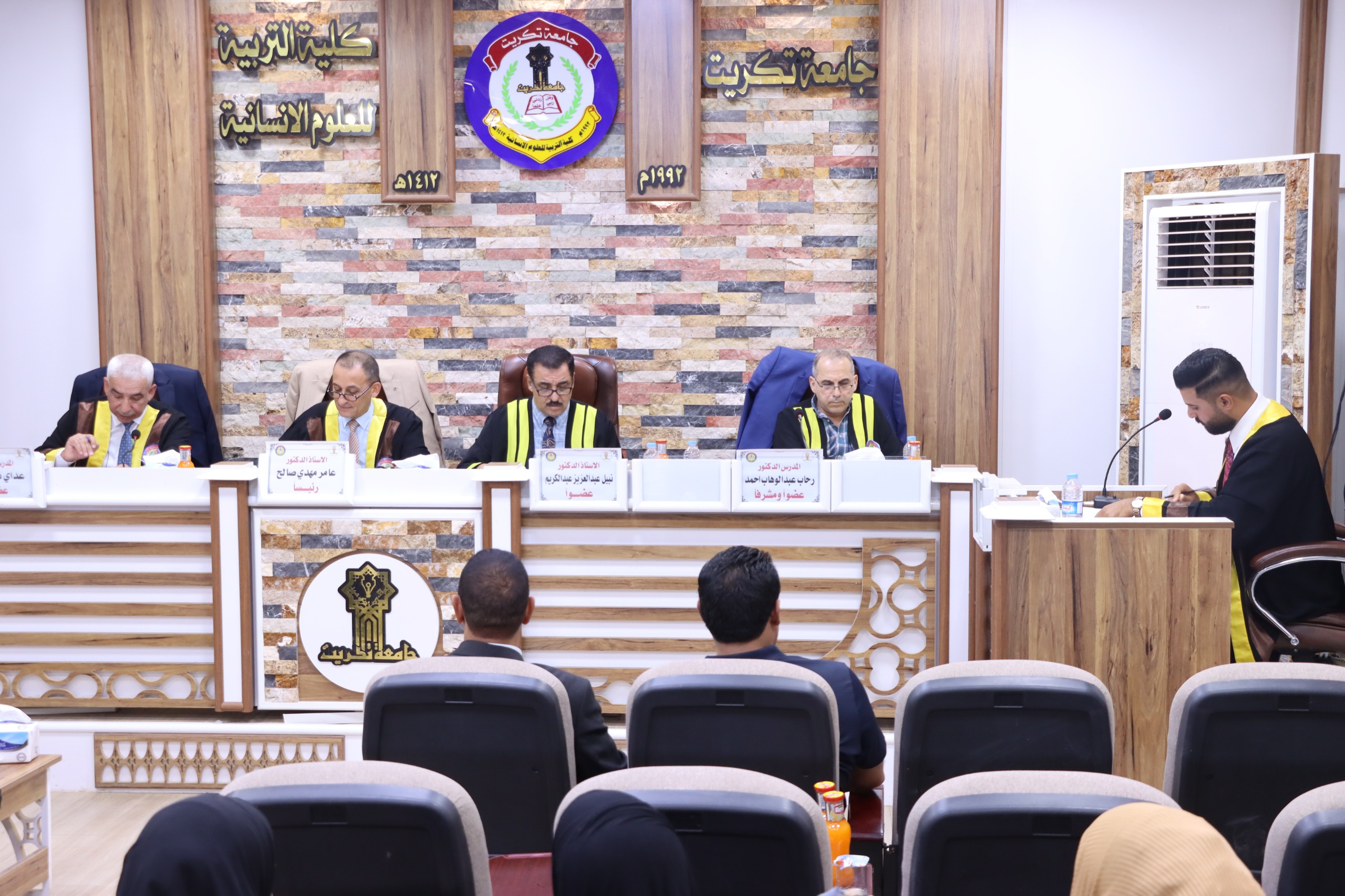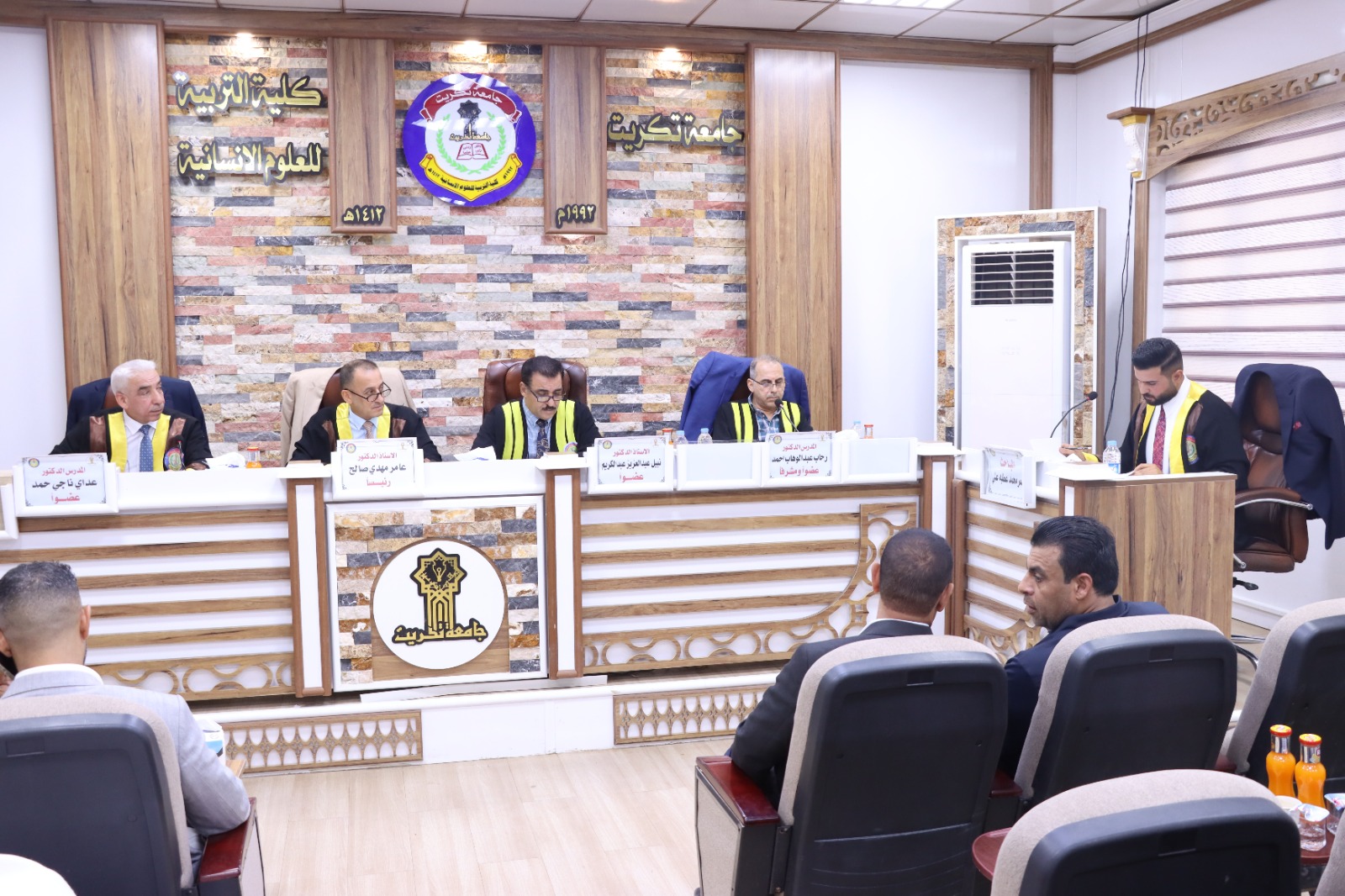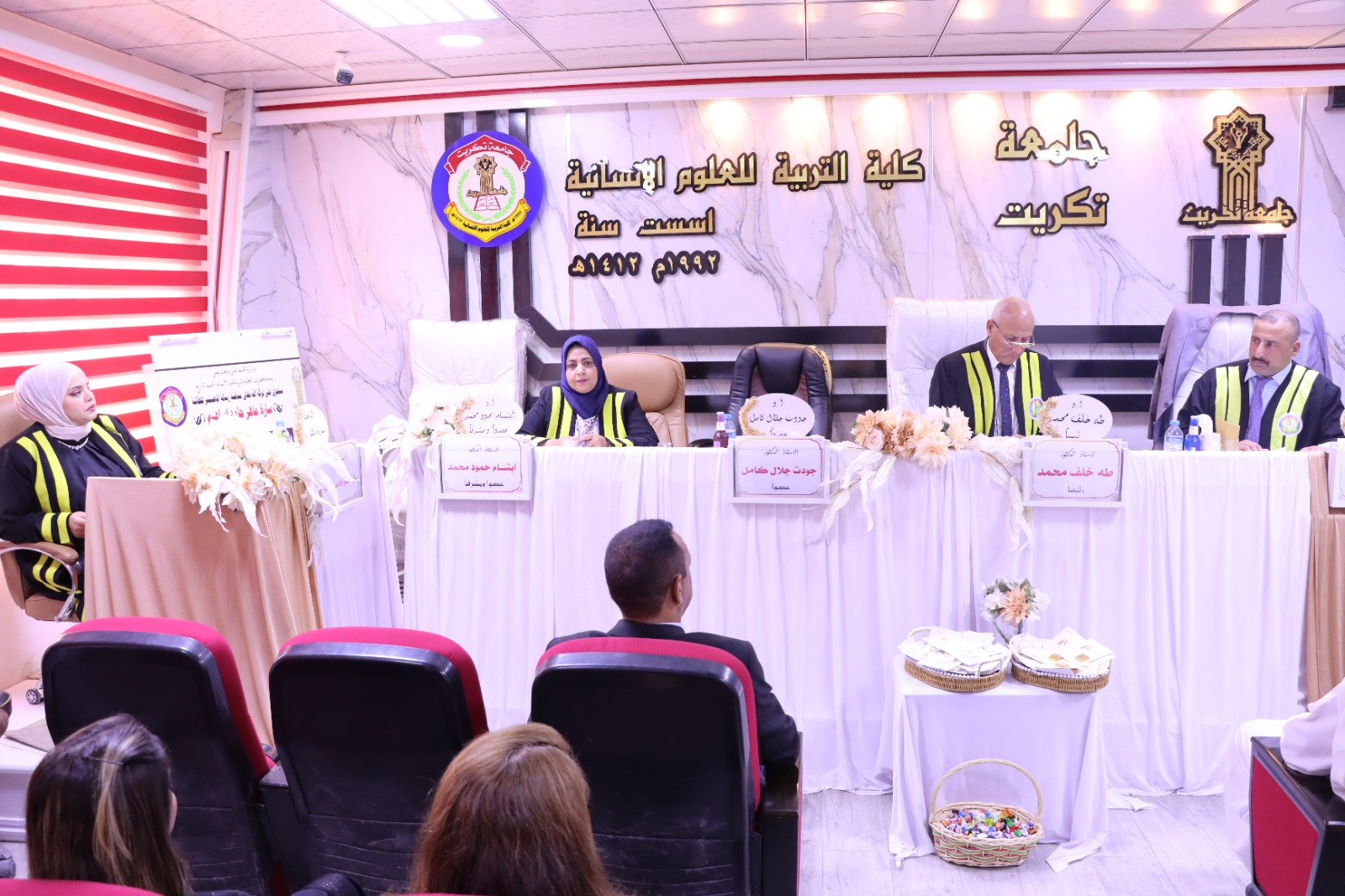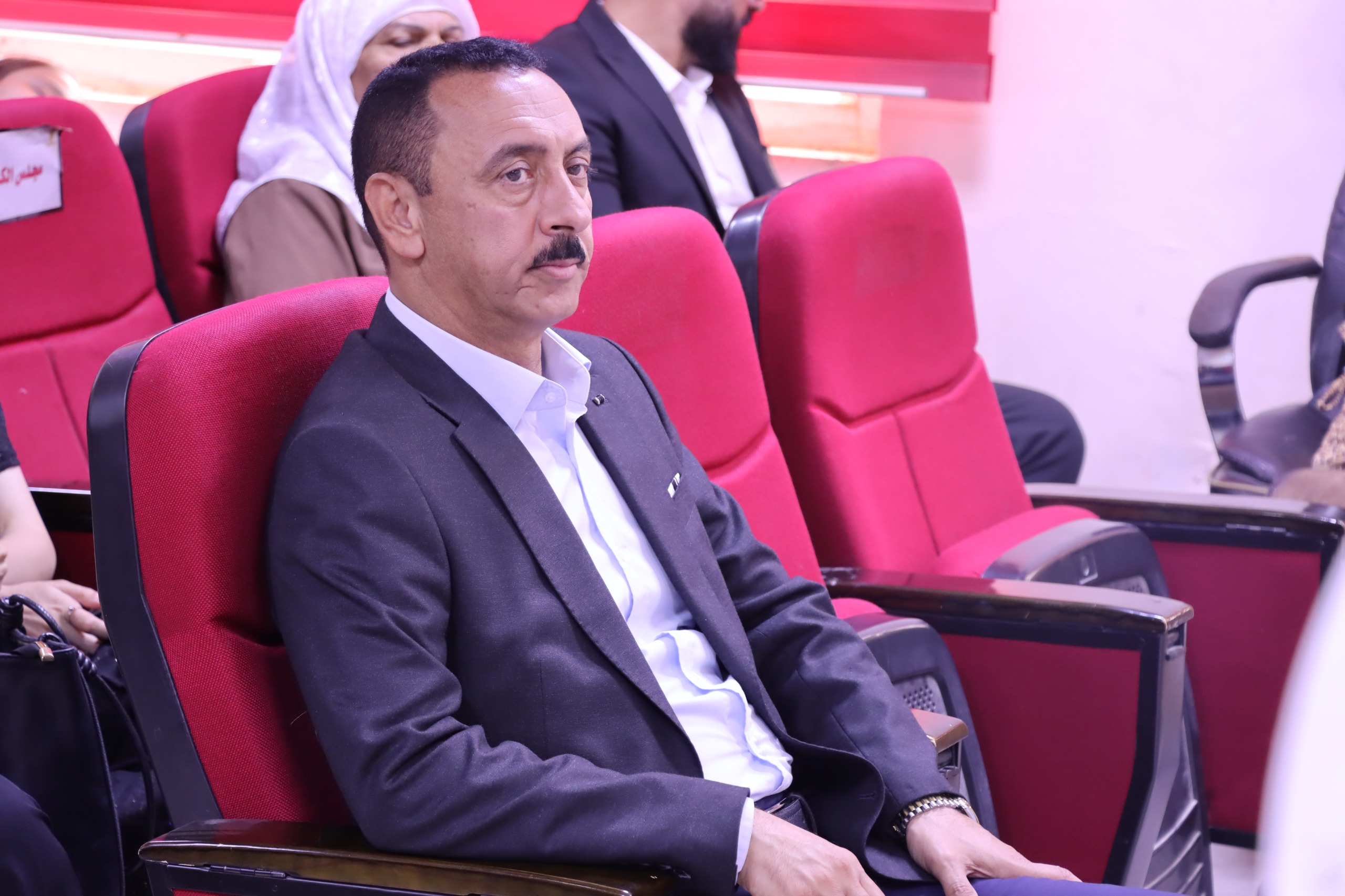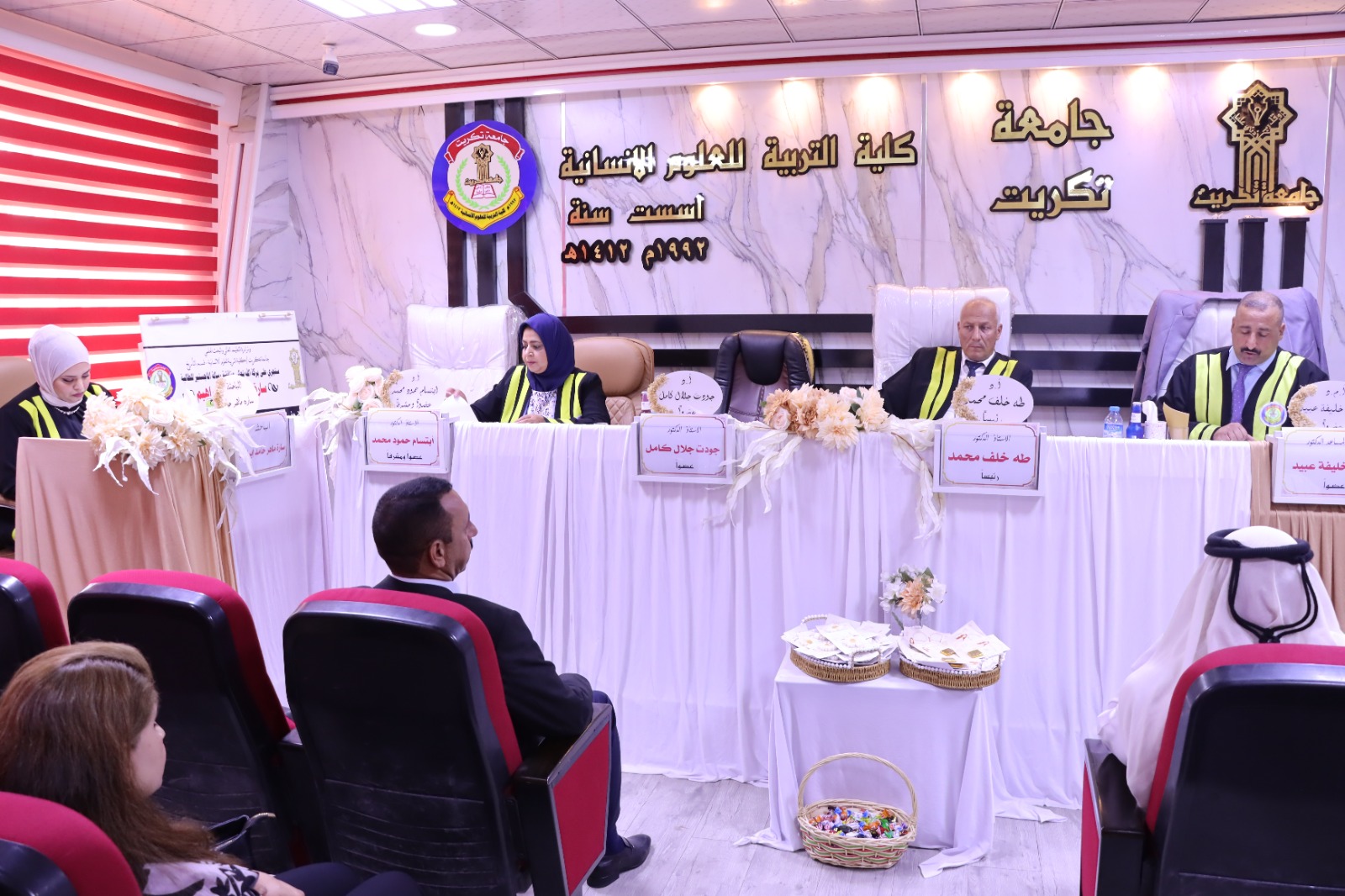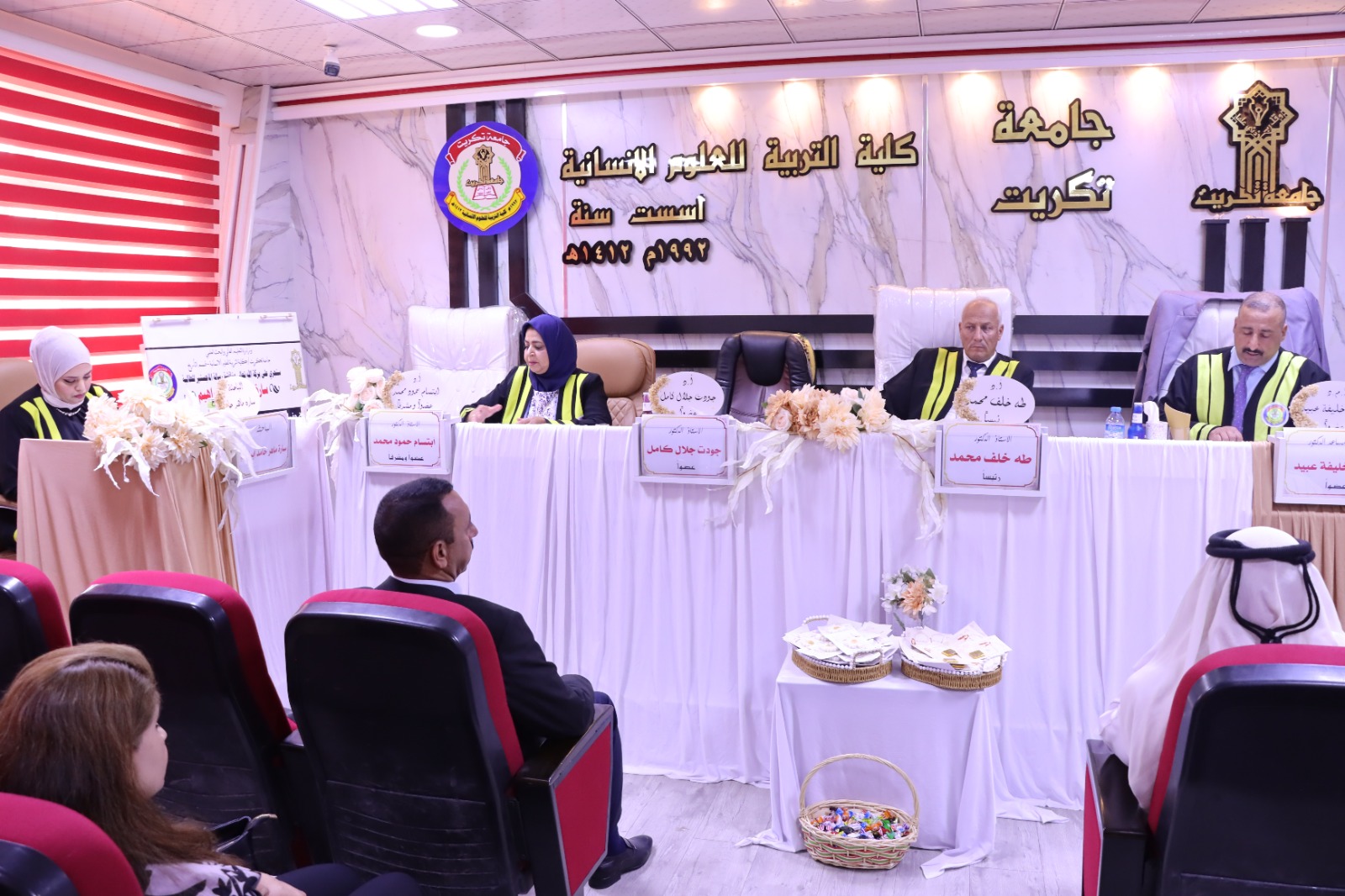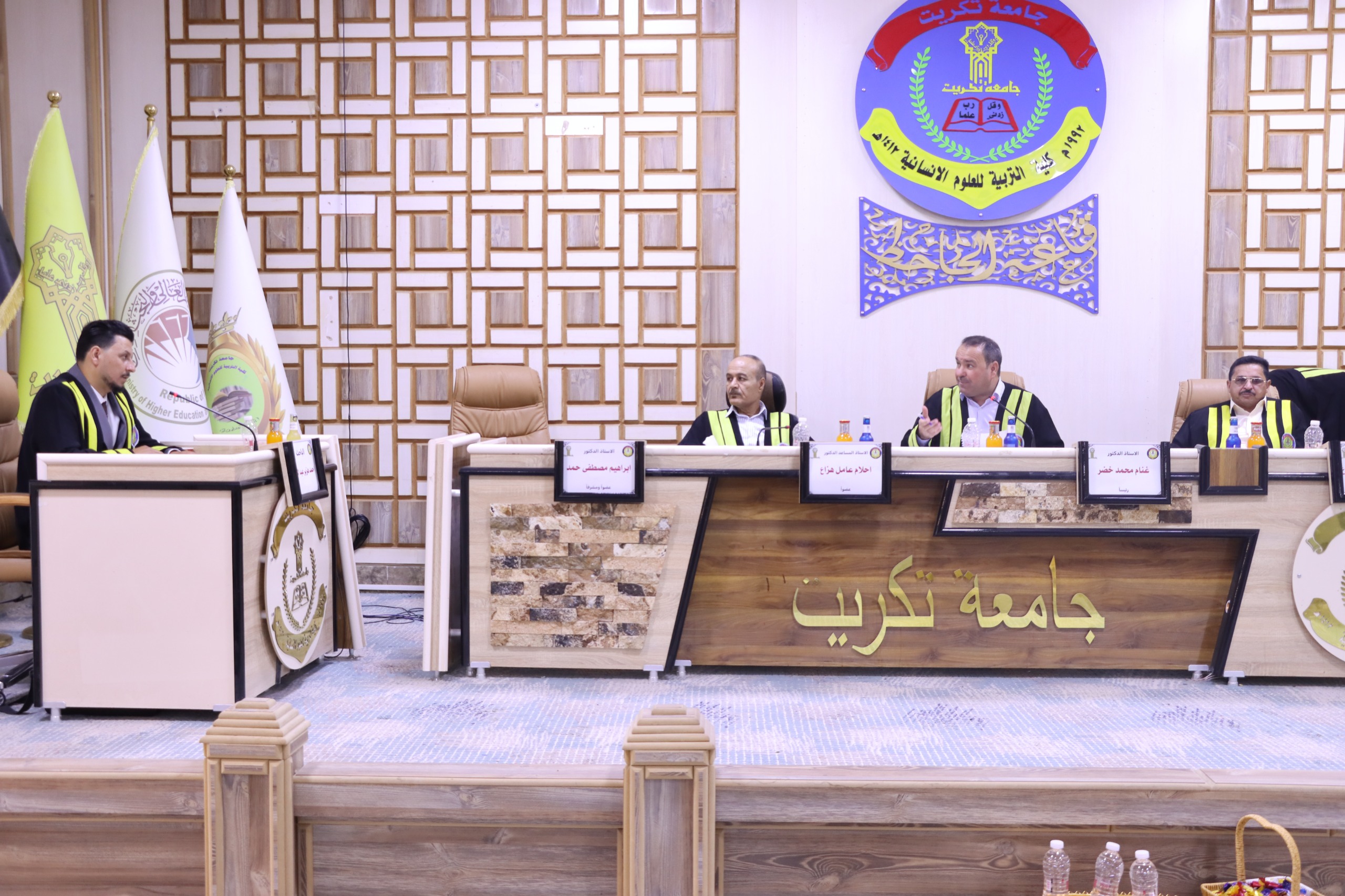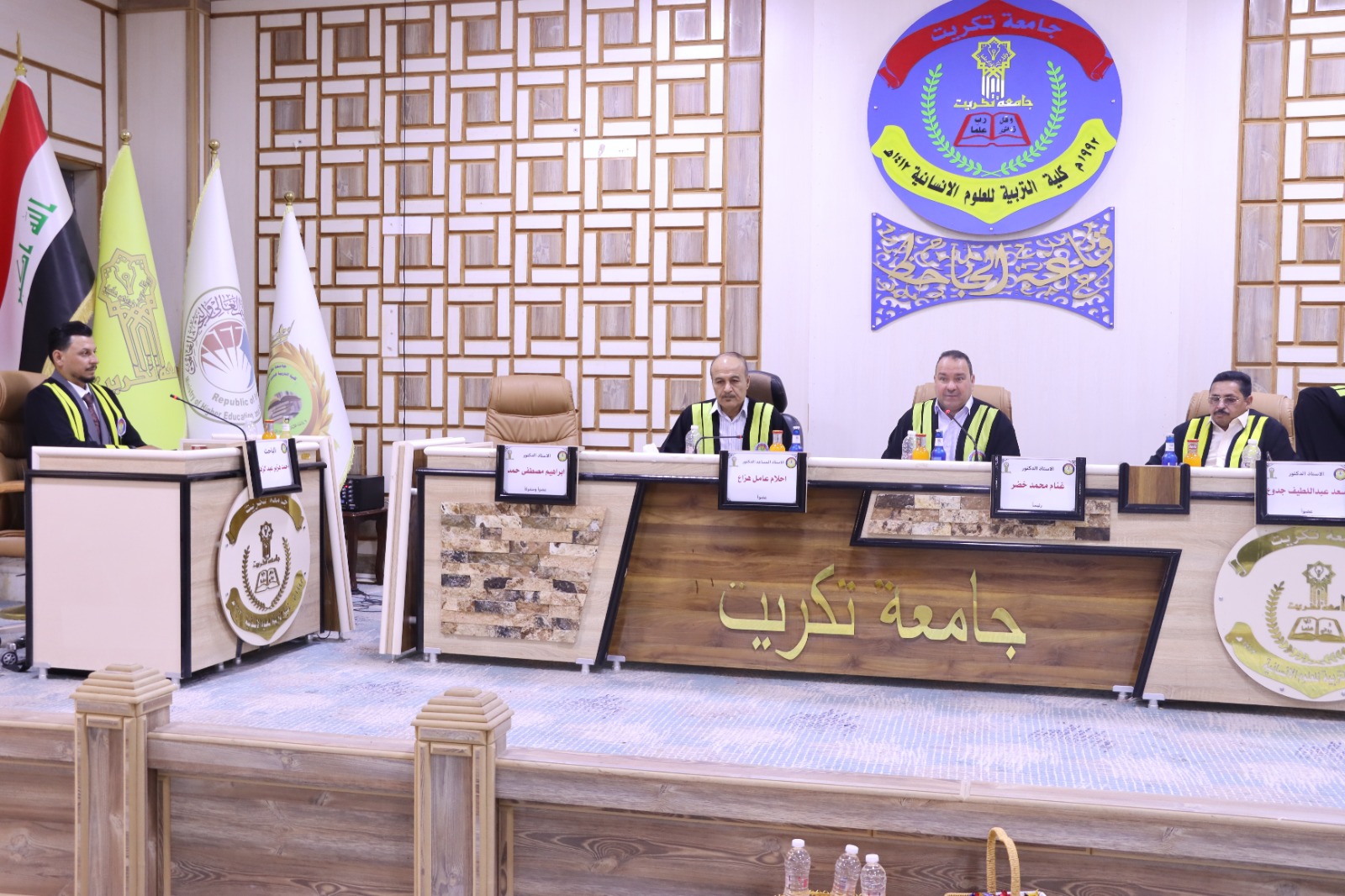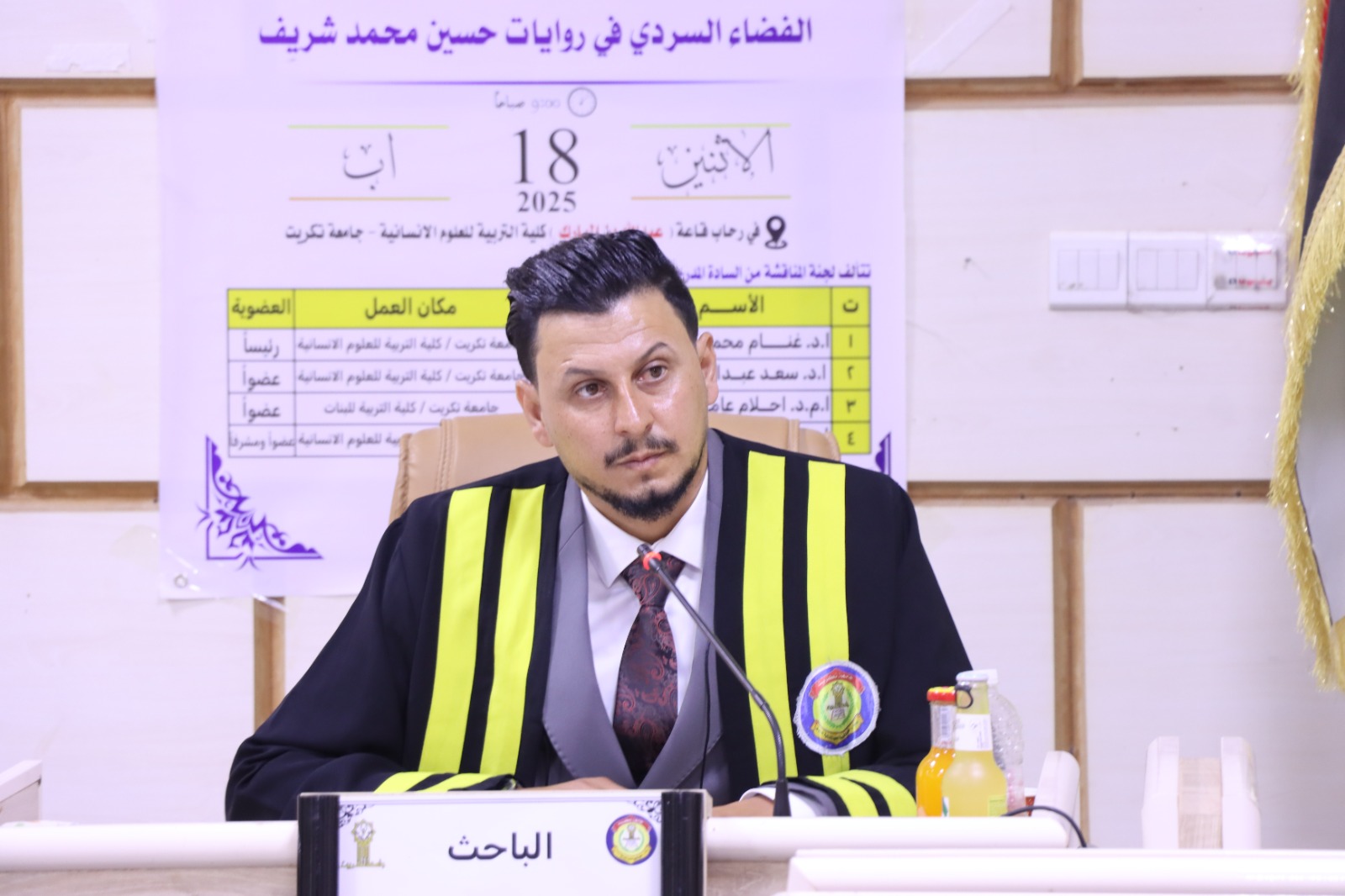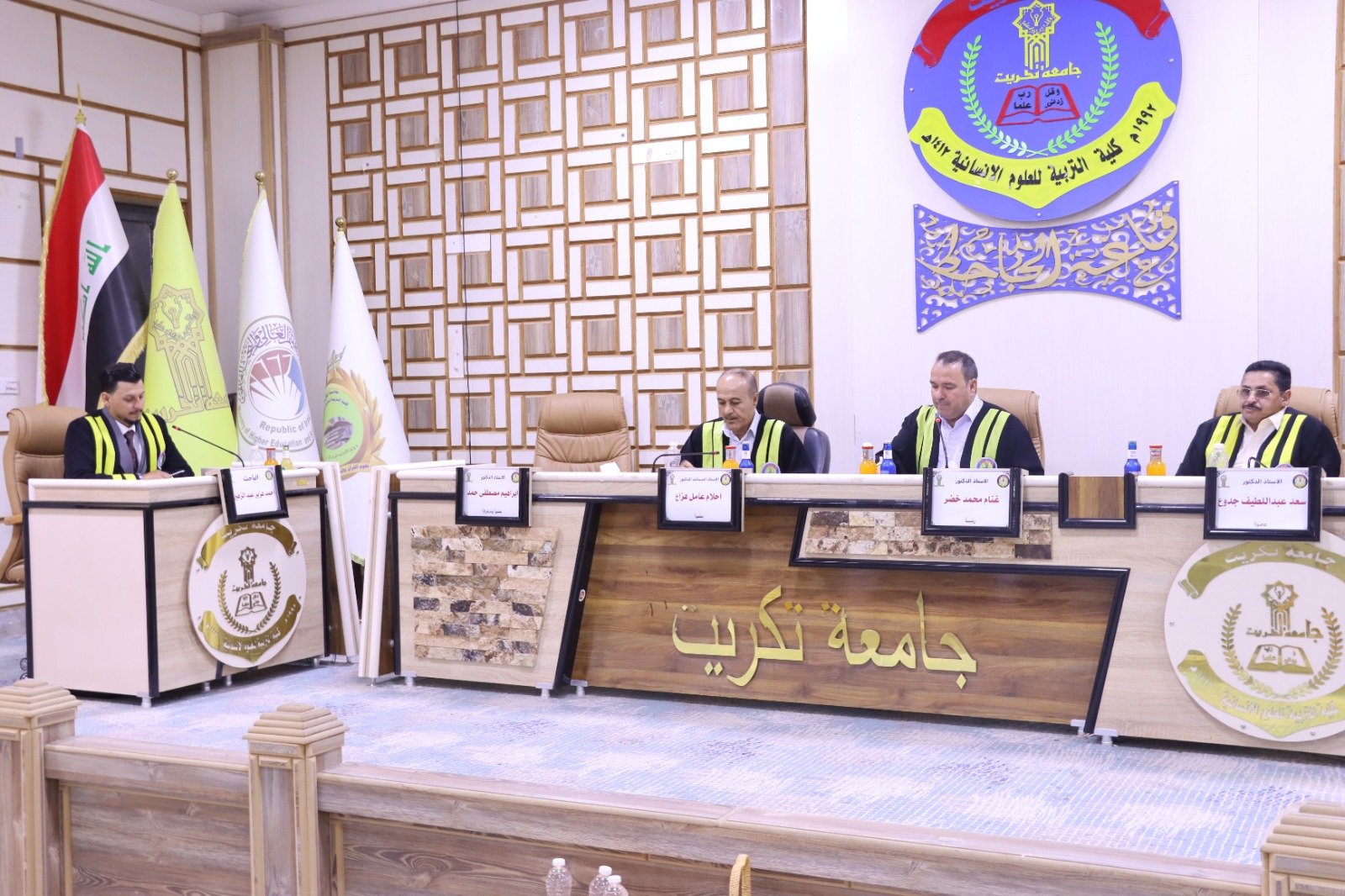

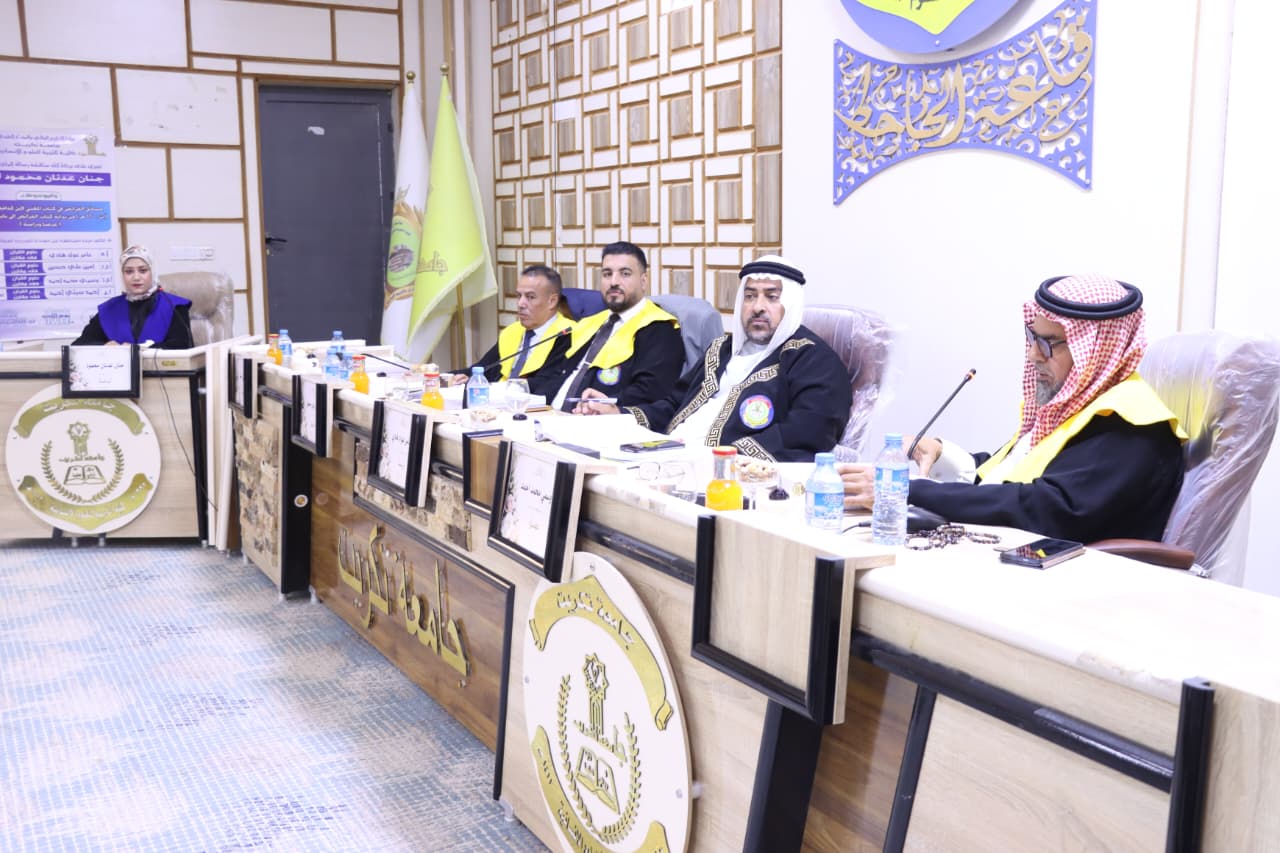
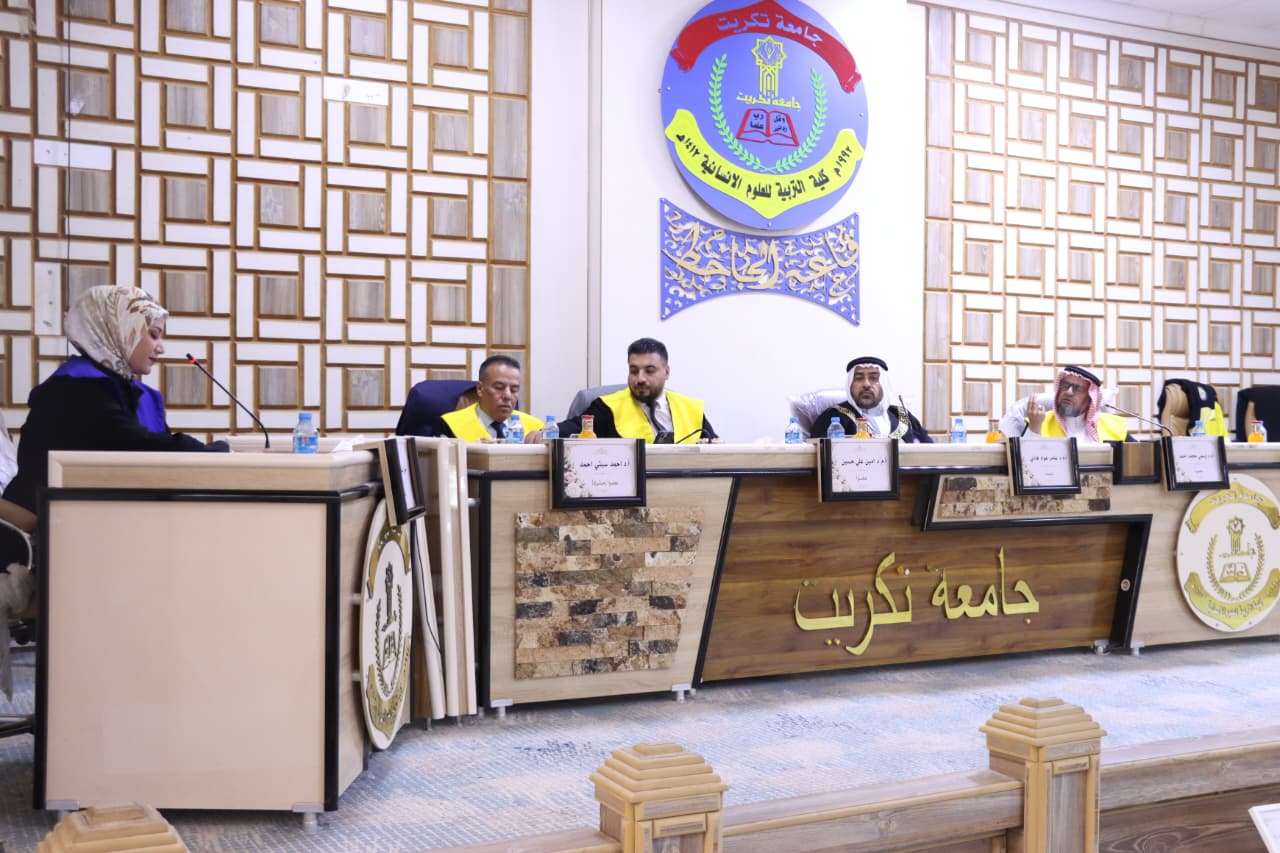
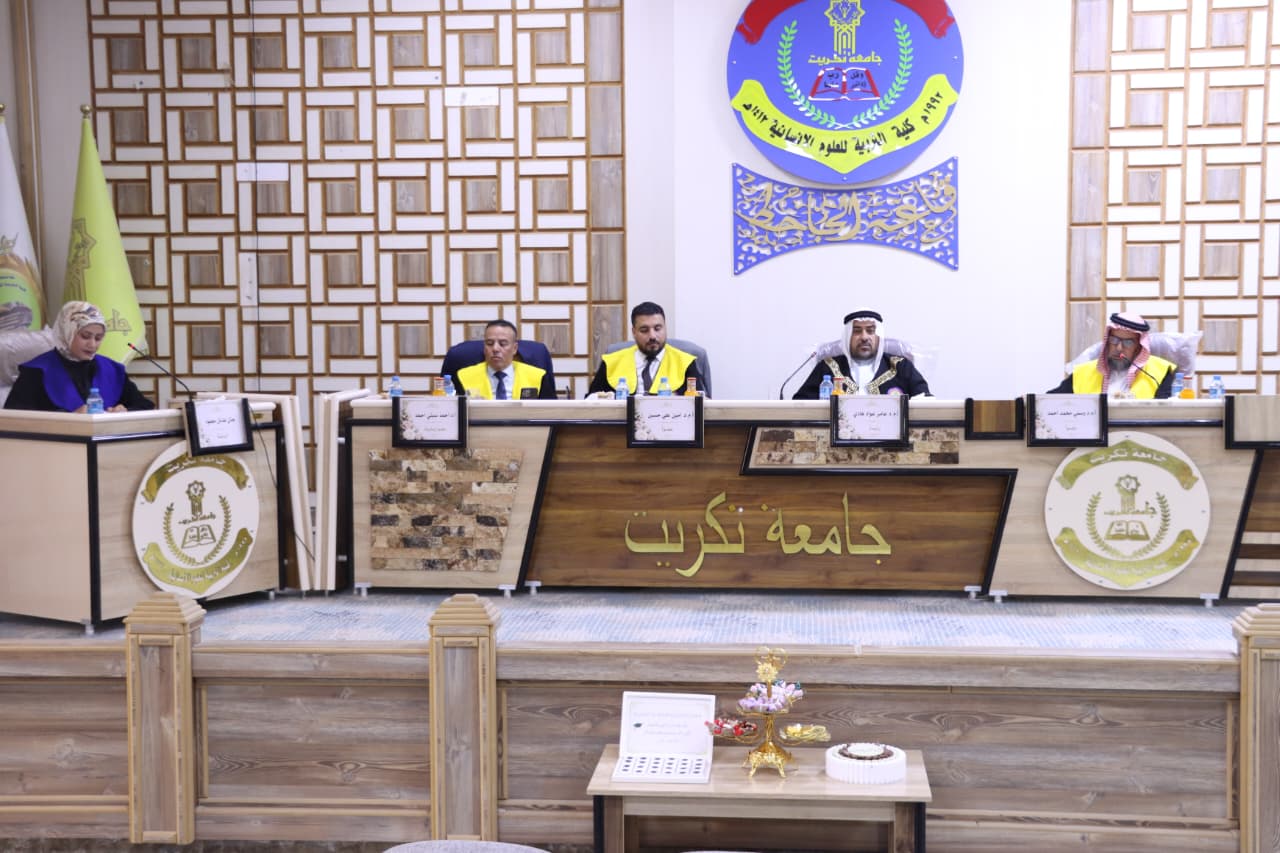
A Master’s thesis was defended at the Department of Quranic Sciences and Islamic Education, College of Education for Humanities, University of Tikrit, on Sunday, June 28, 2026, by the student Jinan Adnan Mahmoud Al-Bayati, entitled “Inheritance Issues in Al-Mughni by Ibn Qudamah Al-Maqdisi (d. 620 AH): From the Beginning of the Book of Inheritance to the Chapter on Dhawu Al-Arham – A Presentation and Analytical Study.”
The thesis aims to examine a range of inheritance issues and the methods employed in addressing them in accordance with established principles of Islamic jurisprudence. Owing to the nature of the subject, the study was organized into an introduction and five chapters.
The introductory section presents a biographical overview of Imam Ibn Qudamah Al-Maqdisi, his renowned work Al-Mughni, and the methodology he adopted therein. It also provides a general introduction to the science of Islamic inheritance (Fara’id), including the definition of inheritance, its essential elements, conditions, causes, impediments, legal foundations, significance, and the categories of male and female heirs.
The five chapters address the principal issues of Islamic inheritance law. The first chapter examines the prescribed inheritance shares and the legal status of heirs. The second discusses Ta‘sib (agnatic succession) and Hajb (exclusion from inheritance), together with their various forms. The third chapter explores the principles of calculation and correction of inheritance shares, including methods of determining the original estate division and resolving fractional distributions. The fourth chapter focuses on the legal doctrines of Awl (proportional reduction) and Radd (redistribution), while the fifth chapter discusses successive inheritance cases (Manasakhat), estate division, and the methods of distributing inheritance among eligible heirs.
The study reached several significant conclusions, including:
- The Islamic system of inheritance is a divinely ordained legal framework founded upon justice and wisdom, ensuring the equitable distribution of inheritance according to the rights and priorities of eligible heirs.
- Islamic legislation distinguished itself by recognizing the inheritance rights of women and minors, thereby reinforcing the principle of justice in the distribution of estates.
- The prescribed inheritance shares established in the Holy Qur’an are fixed legal allocations that may only be adjusted in accordance with the recognized principles of Awl and Radd within the science of Islamic inheritance.
- The science of Fara’id is firmly grounded in authentic legal sources, namely the Holy Qur’an, the Prophetic Sunnah, and scholarly consensus (Ijma‘), highlighting its prominent status within Islamic jurisprudence.
- The inheritance rulings explicitly stated in the Holy Qur’an are generally agreed upon by Muslim jurists, with only limited jurisprudential differences concerning certain subsidiary issues.
The examination committee consisted of the following faculty members:
- Asst. Prof. Dr. Amer Awwad Hadi – University of Tikrit, College of Education for Humanities – Chairperson.
- Asst. Prof. Dr. Wasmi Mohammed Ahmed – University of Tikrit, College of Islamic Sciences – Member.
- Asst. Prof. Dr. Amin Ali Hussein – University of Tikrit, College of Education for Humanities – Member.
- Prof. Dr. Ahmed Sabti Ahmed – University of Tikrit, College of Education for Humanities – Member and Supervisor.
Media and Government Communication Division
College of Education for Humanities – University of Tikrit