.jpg)





In the Name of Allah, the Most Gracious, the Most Merciful
Praise be to Allah, and peace and blessings be upon our Prophet Muhammad, his family, and all his companions.
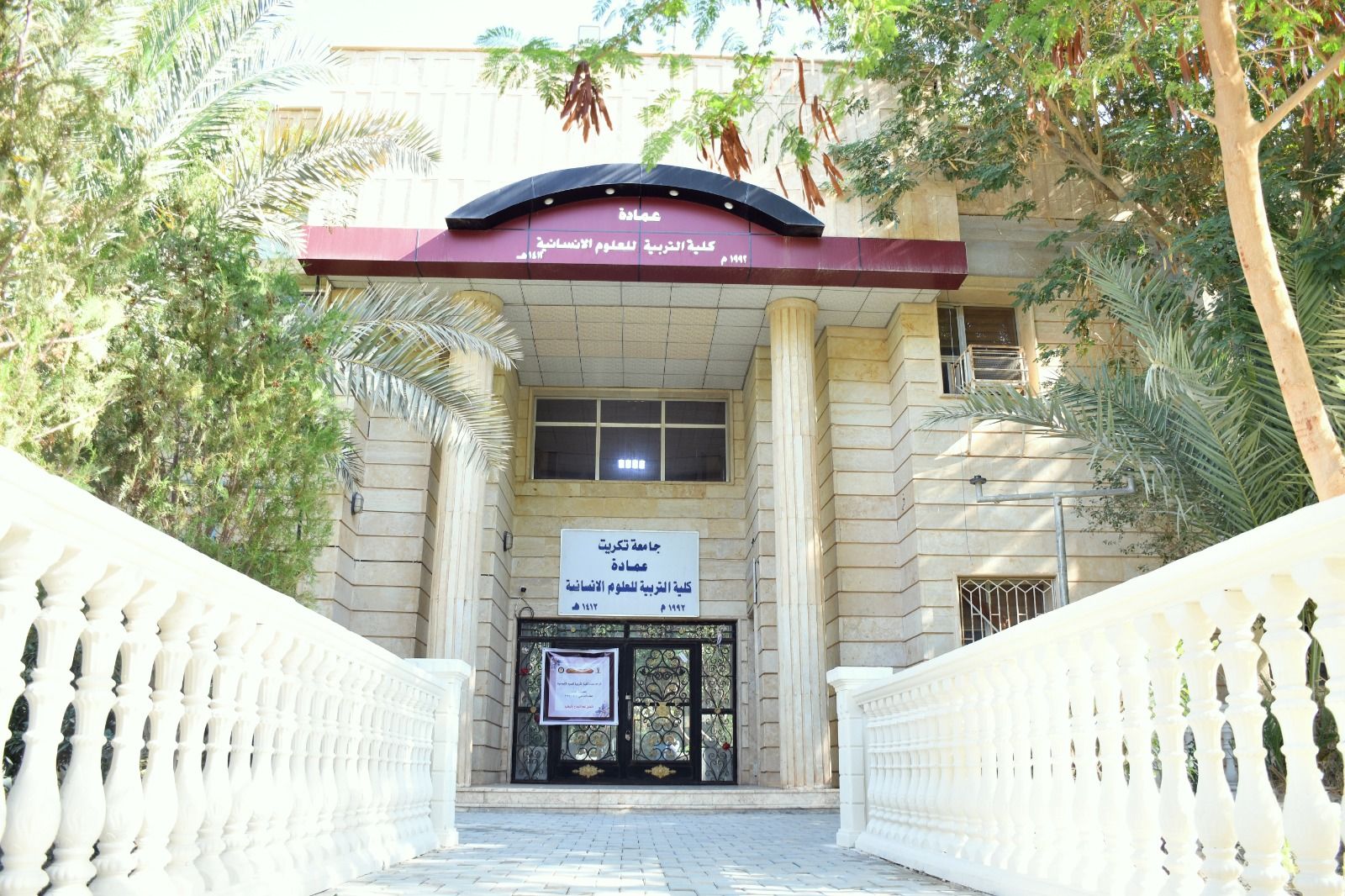
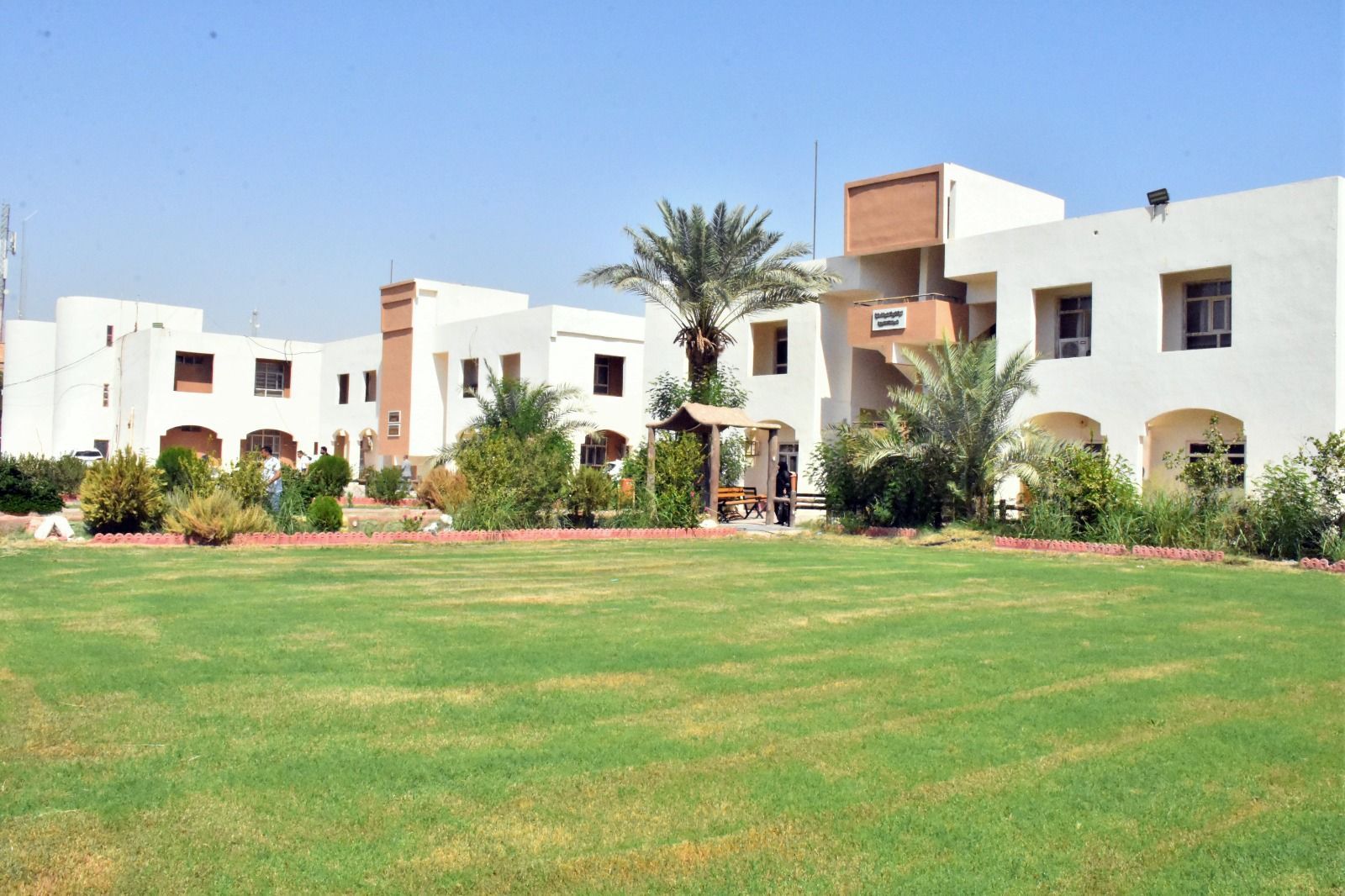
The College of Education for Human Sciences is an extension of the original College of Education, which was established in 1992. It was the fourth college founded at the University of Tikrit, following the College of Education for Women, the College of Medicine, and the College of Engineering. As undergraduate and postgraduate programs expanded, the college was divided by University Decree No. (7/39/13237) on August 26, 2013, into two separate colleges: the College of Education for Pure Sciences and the College of Education for Human Sciences.
The College of Education for Human Sciences currently comprises seven academic departments: Arabic Language, English Language, Art Education, Educational and Psychological Sciences, History, Geography, and Quranic Sciences. The college is committed to continuing its contribution to society by offering in-demand academic specializations. Since its establishment, the college has graduated approximately twenty-three cohorts, equipping them with modern learning methods and rigorous scientific research curricula to ensure that graduates are competitive in the labor market.
The college facilities include 61 lecture halls of varying sizes, fully equipped with teaching requirements, four seminar rooms, and fully prepared administrative offices for all academic departments. Additionally, the college houses a computer laboratory, an internet hall accommodating 50 students, and a library with seating for over 80 students, stocked with scientific resources across all specializations. The college also contains a GIS laboratory for the Geography Department and a technical workshop for Art Education students.
For the academic year 2025-2026, the total student enrollment is 7,770, including 5,018 in morning studies and 2,752 in evening programs. Graduate studies welcomed 449 students for the same academic year. The college employs 398 faculty members across various specializations and academic ranks: 110 Professors, 72 Associate Professors, 86 Lecturers, and 126 Assistant Lecturers. The administrative staff consists of 91 employees.
The College of Education for Human Sciences is now striving to achieve higher standards of quality and academic accreditation. Specialized committees have been established to serve the community, identify areas of weakness for improvement, highlight strengths for development, and enhance administrative and academic performance. Significant progress has been achieved in these areas, and we seek Allah’s guidance in continuing our efforts to serve our esteemed university.
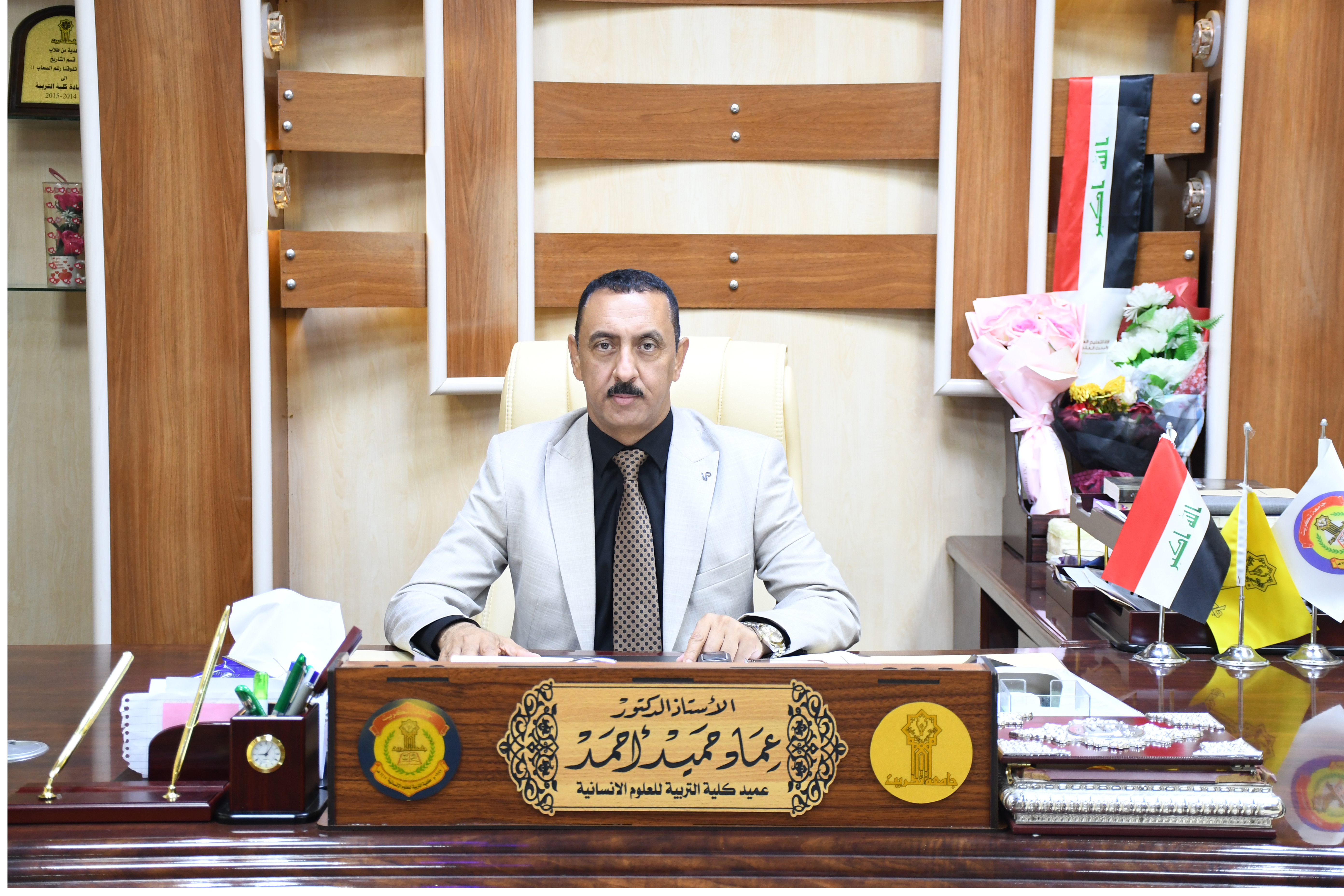
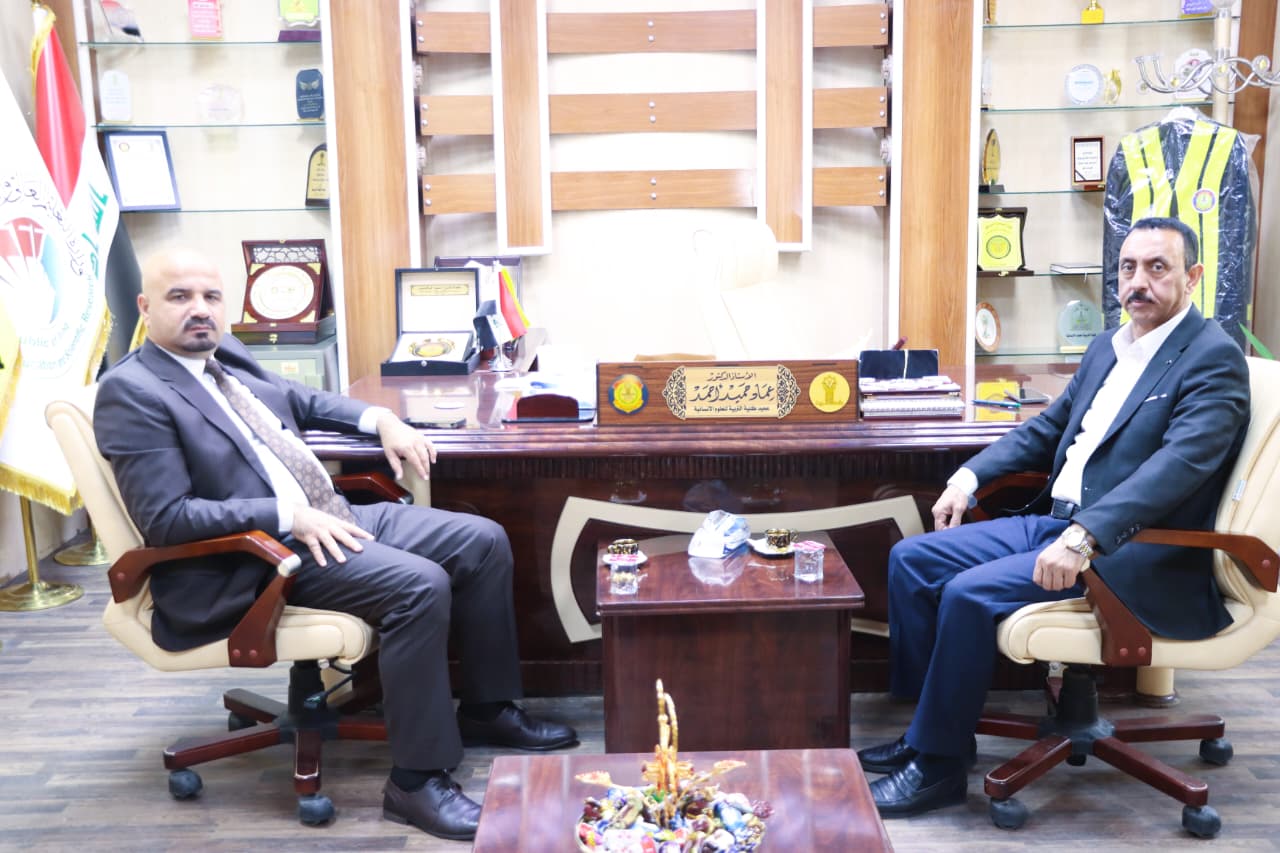
Prof. Dr. Imad Hameed Ahmed Dean, College of Education for Human Sciences
Providing educational programs capable of preparing scientifically and professionally qualified teachers who are committed to their educational and academic mission, and who contribute to building a knowledge-based society capable of global competitiveness. This is achieved by advancing the college's programs to a high level of effectiveness, responding to the diverse needs of society, addressing educational field challenges, and meeting the demands of comprehensive development. Furthermore, the college seeks to enhance the scientific research system and improve the academic and administrative competencies of both faculty members and the administrative structure, in alignment with societal values and needs, and in accordance with academic accreditation standards.
The College of Education for Human Sciences aims to achieve the following strategic objectives through the application of quality assurance and academic accreditation standards aligned with national and global trends:
-
Preparing scientifically and educationally qualified human resources to keep pace with advancements in scientific curricula and modern teaching methods.
-
Enhancing the level of scientific research and utilizing its outcomes to develop the academic and educational reality for both students and faculty members, contributing to addressing the challenges faced by community institutions.
-
Contributing to the improvement and development of curricula, teaching methods, and techniques in ways that meet the requirements of the labor market.
-
Strengthening and empowering postgraduate programs and scientific research to achieve excellence and competitiveness in response to contemporary and future demands across all fields.
-
Fostering creativity, innovation, and critical thinking to optimally invest students’ potentials, while reinforcing values of citizenship, teamwork, responsibility, and acceptance.
-
Continuously improving the quantity and quality of scientific research to develop expertise and increase its contribution to educational change and renewal, keeping pace with global developments, thus leading to national development and enriching human knowledge.
-
Raising the academic level of faculty members and striving to attract distinguished scientific competencies and rare specializations to ensure the development and sustainability of academic practices.
-
Striving to develop the college’s buildings and infrastructure in accordance with quality standards.
-
Empowering students academically and scientifically by building reciprocal relationships with peer colleges and activating debates, seminars, conferences, and joint scientific and cultural activities.
-
Persistently and actively applying quality assurance and accreditation programs in accordance with international standards and systems.
-
Continuously improving the college’s work mechanisms and ensuring coordination among academic departments, divisions, and administrative units to increase flexibility and smooth workflow.
-
Providing a university environment that fosters innovation, creativity, and the optimal utilization of faculty and student potentials, thereby enhancing the quantity and quality of scientific output.
-
Activating academic, financial, and health support programs for faculty and students.
-
Enhancing and developing alumni follow-up programs and their skills development.
-
Developing community service systems through cooperation with scientific and professional institutions in other ministries by delivering lectures, holding seminars, and providing consultations in scientific, educational, and artistic fields to strengthen community partnerships.
-
Developing student assessment systems and field training to reflect modern approaches to performance evaluation.
College of Education for Human Sciences – Tikrit University
The College of Education for Human Sciences is committed to achieving excellence and advancing scientific and educational competence by preparing qualified teaching staff who are proficient in modern methodologies and grounded in strong scientific, ethical, and professional principles.
Our vision embraces active community partnership to promote scientific, educational, and pedagogical research that meets the evolving needs of society. We aim to provide competent teachers and researchers capable of driving sustainable development, aligned with quality standards in higher education.
We aspire to achieve academic and research distinction at local, regional, and global levels, ensuring our college stands alongside its international counterparts.
College News
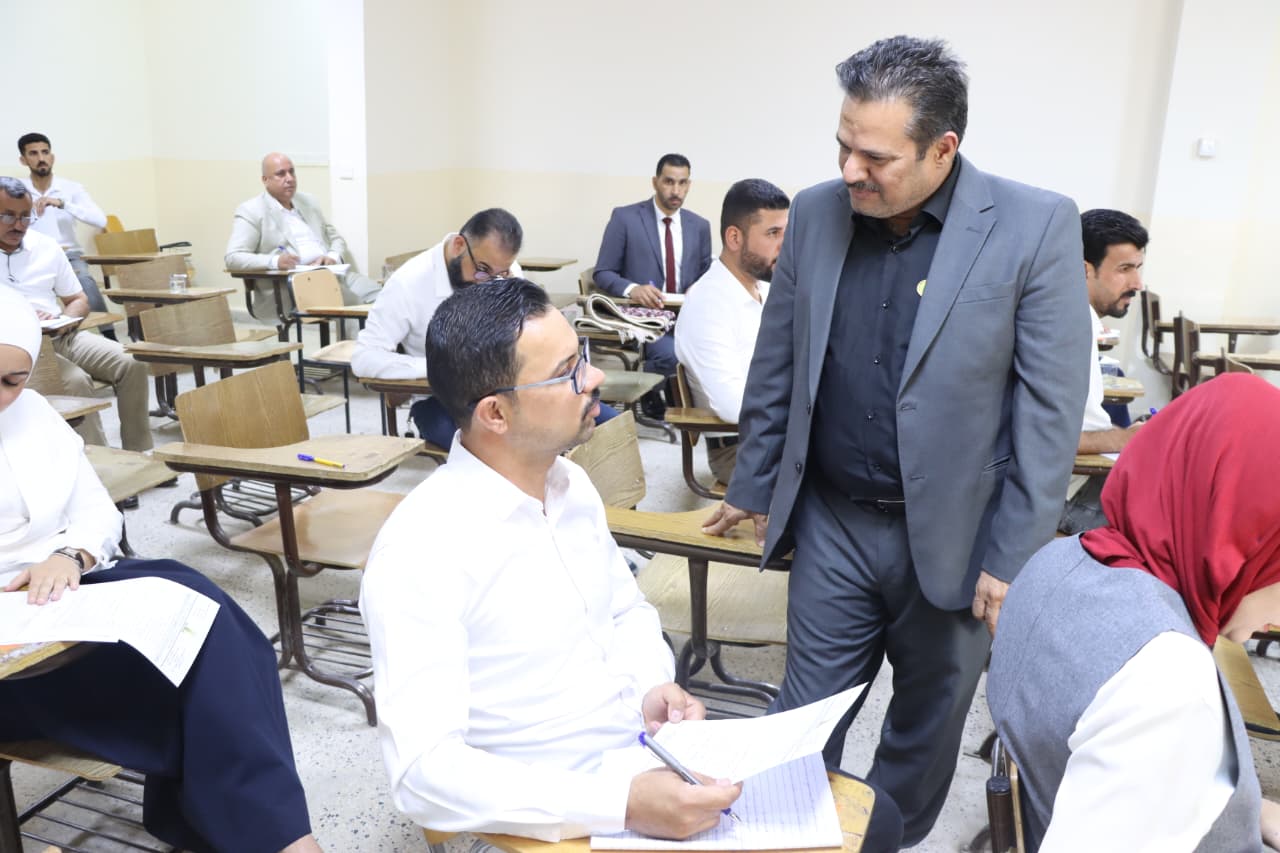
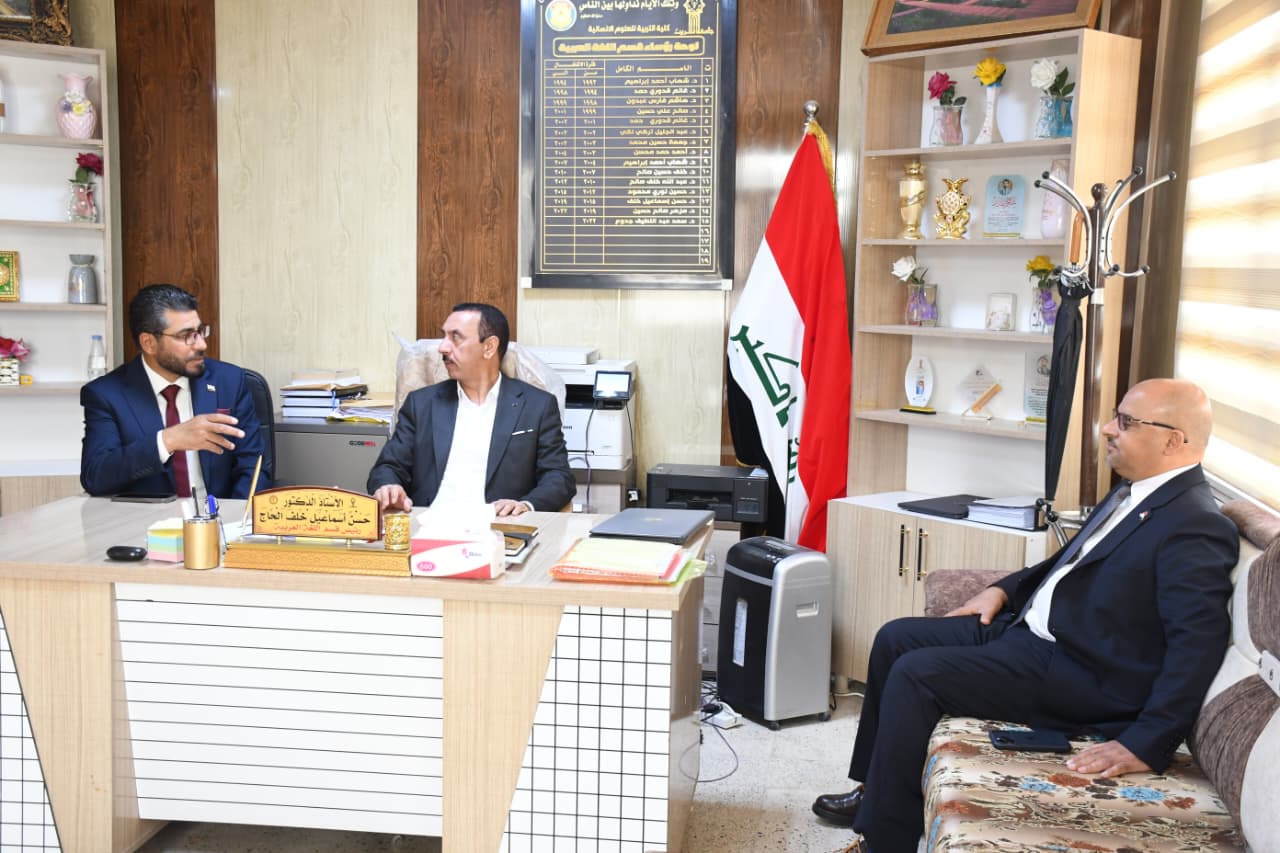
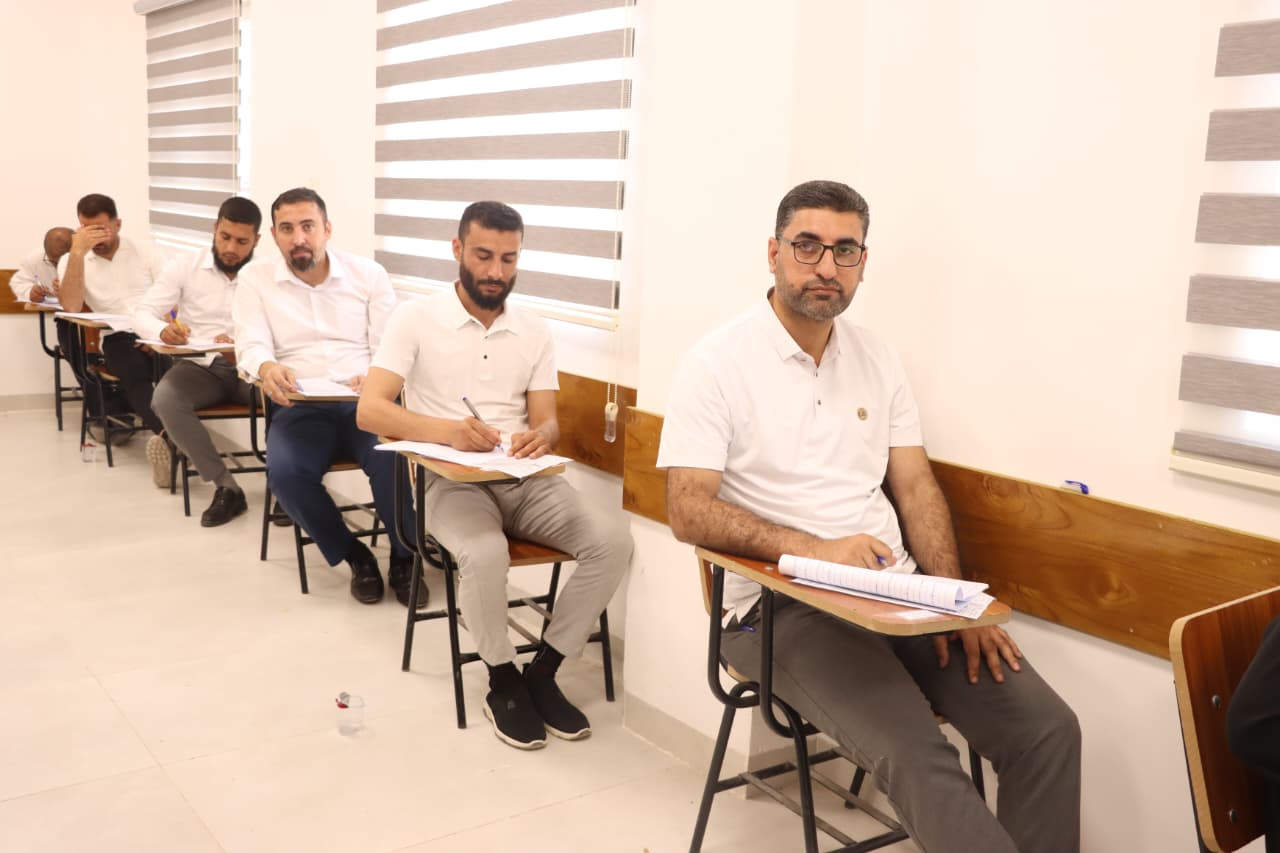
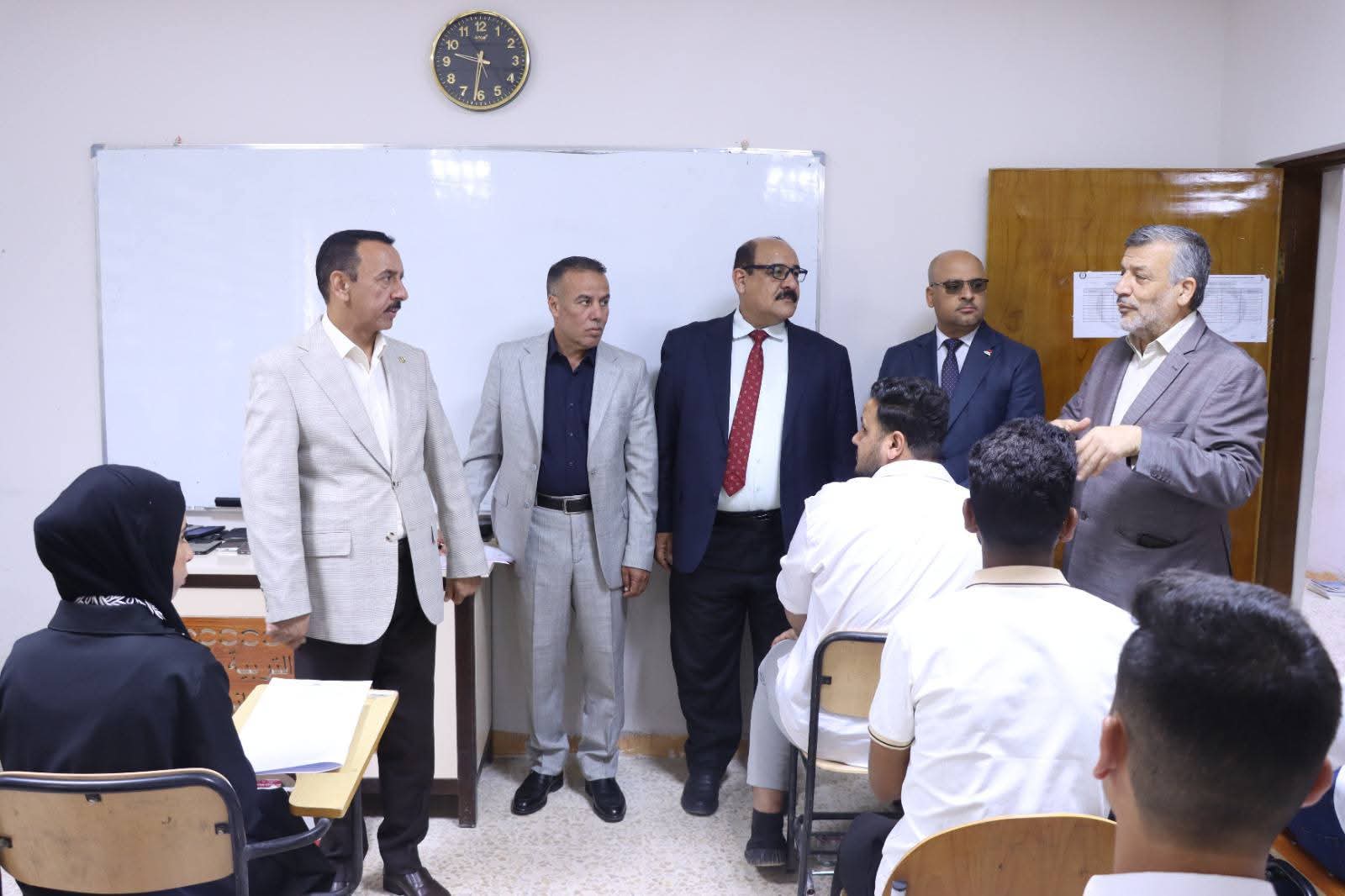
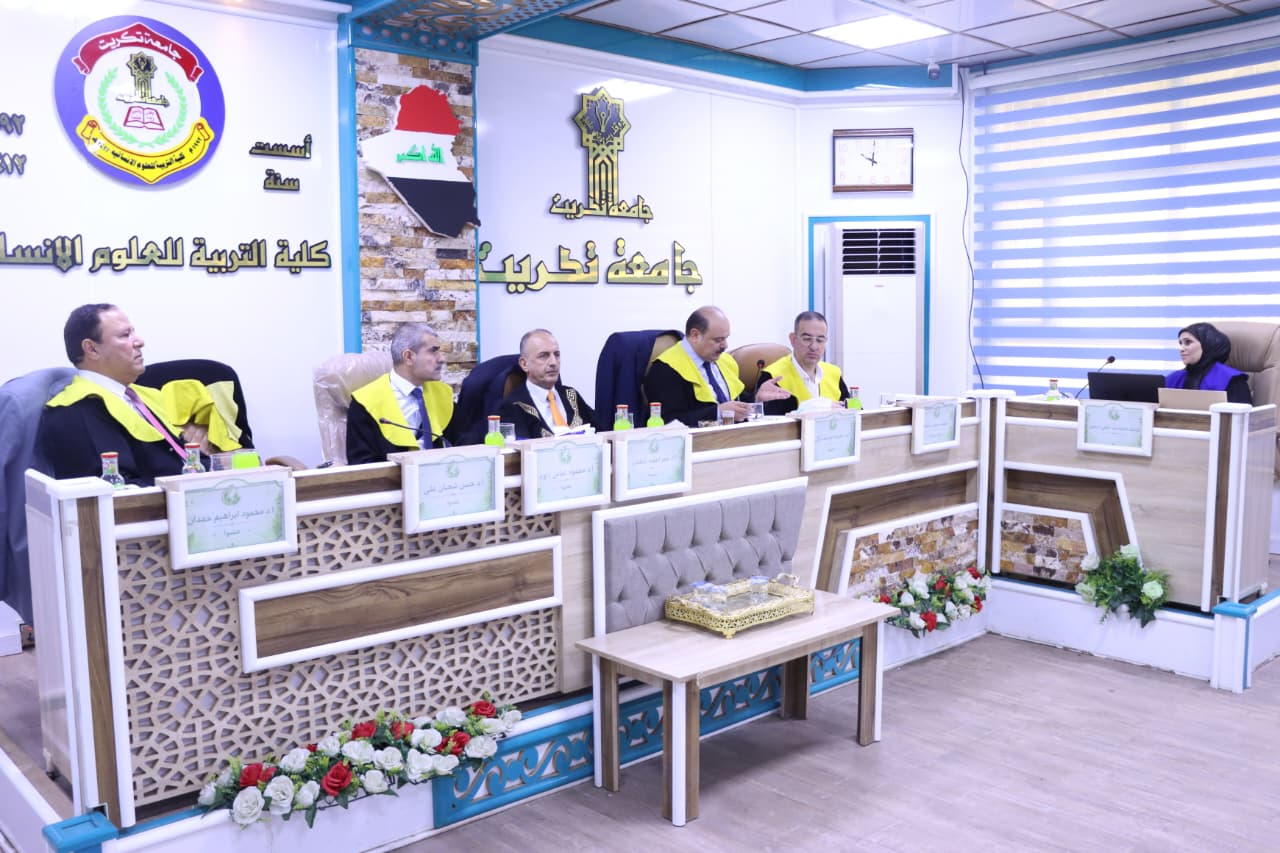
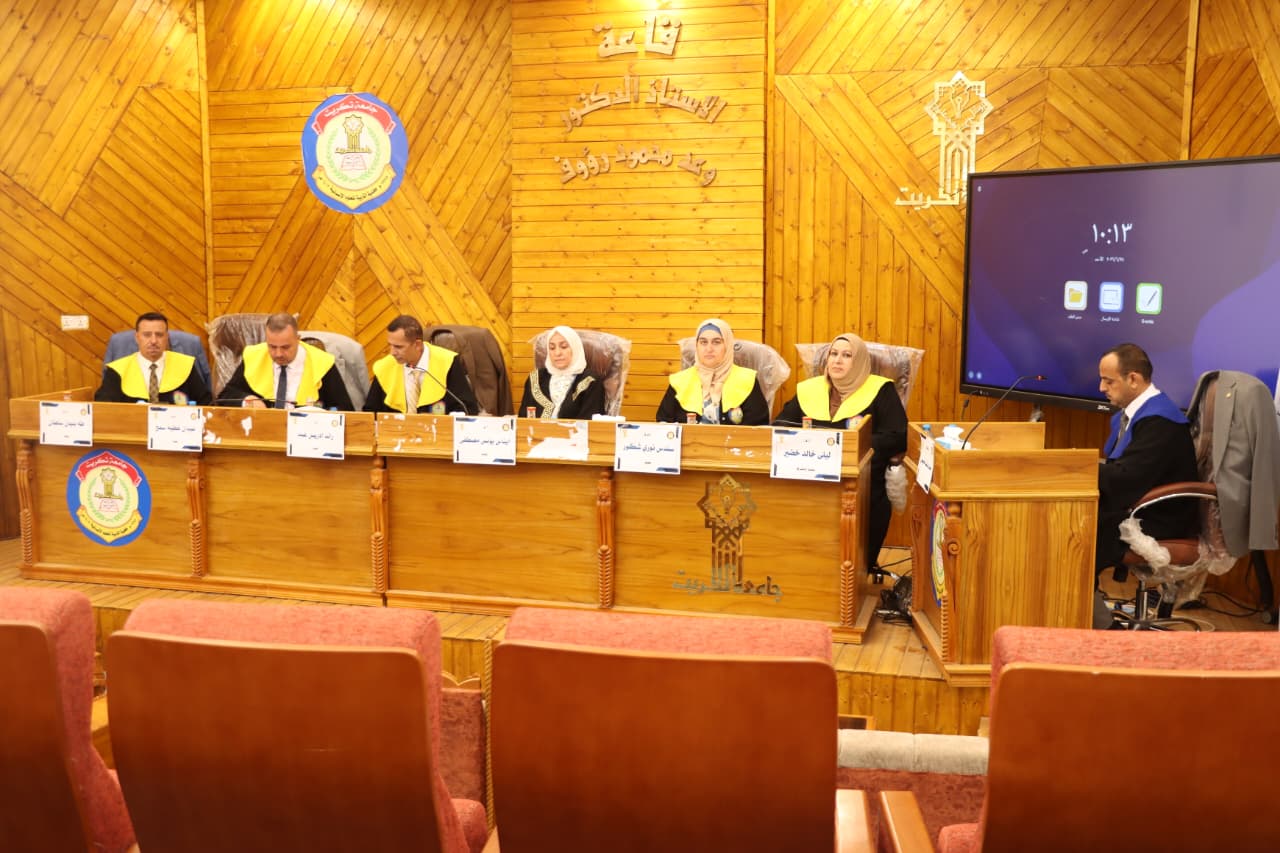
Thesis Defense
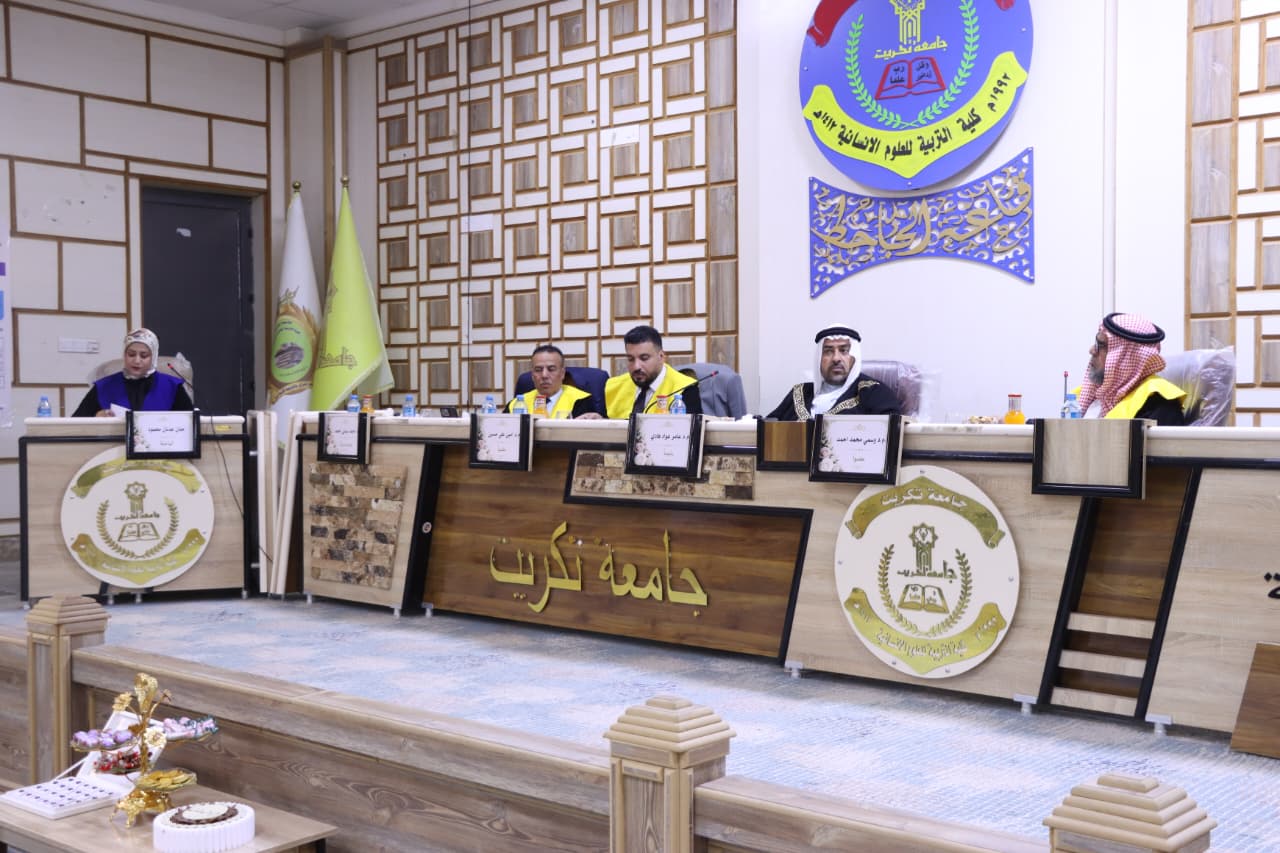
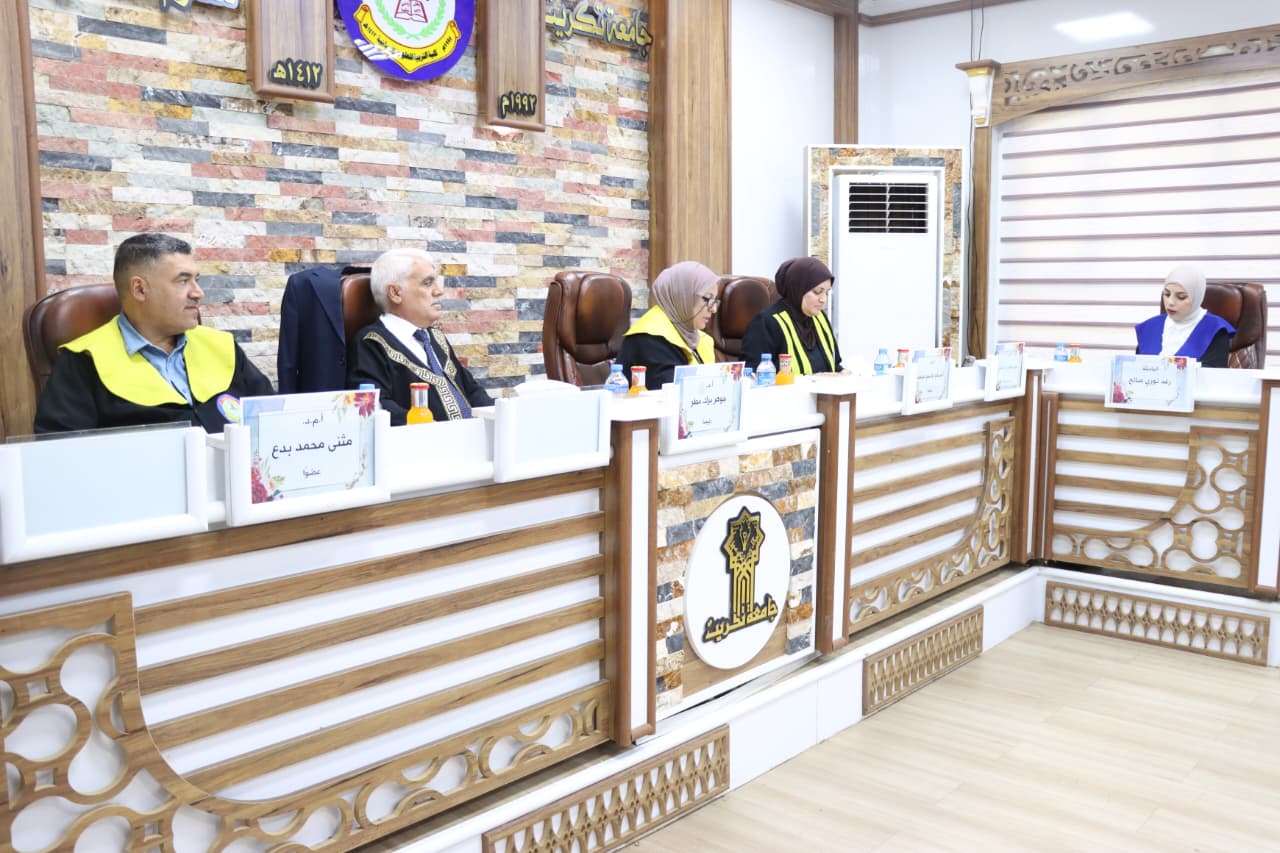
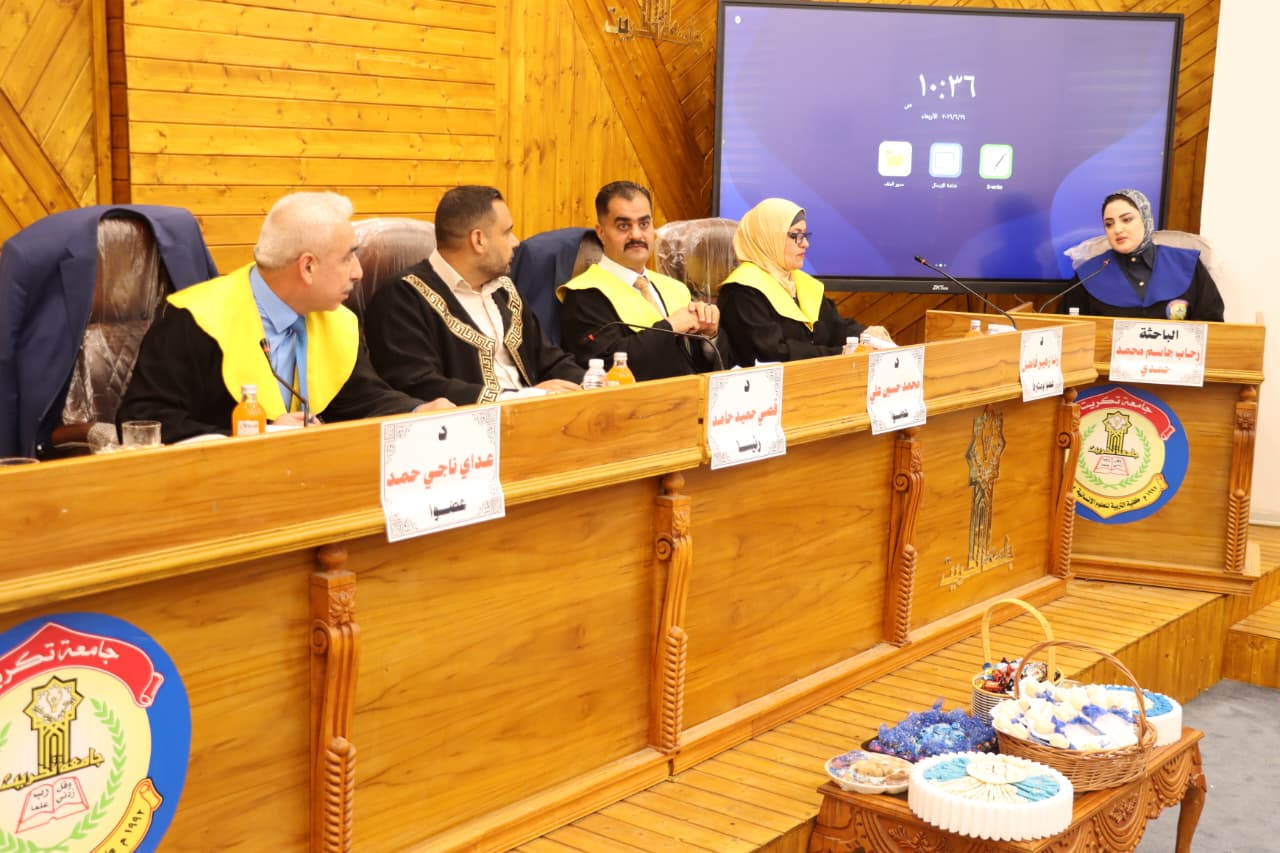
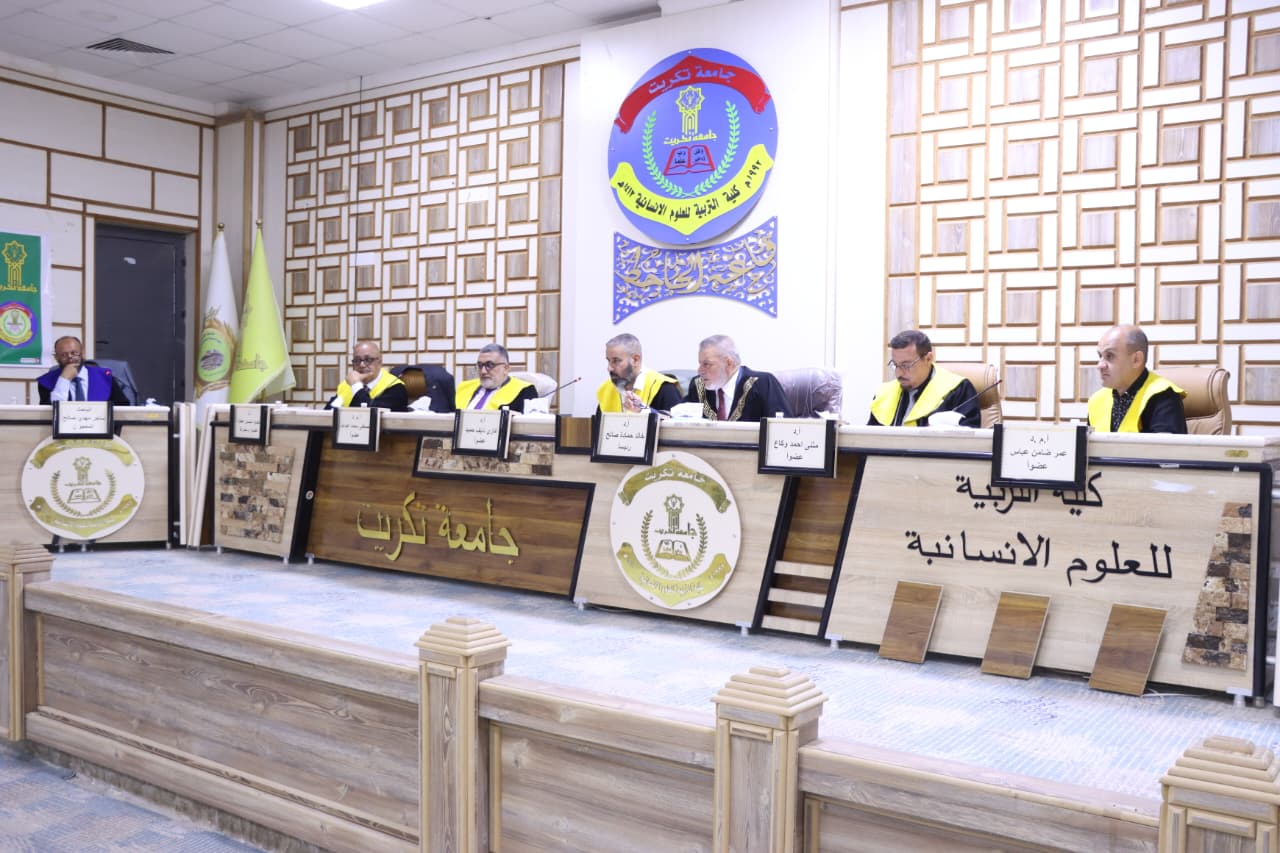
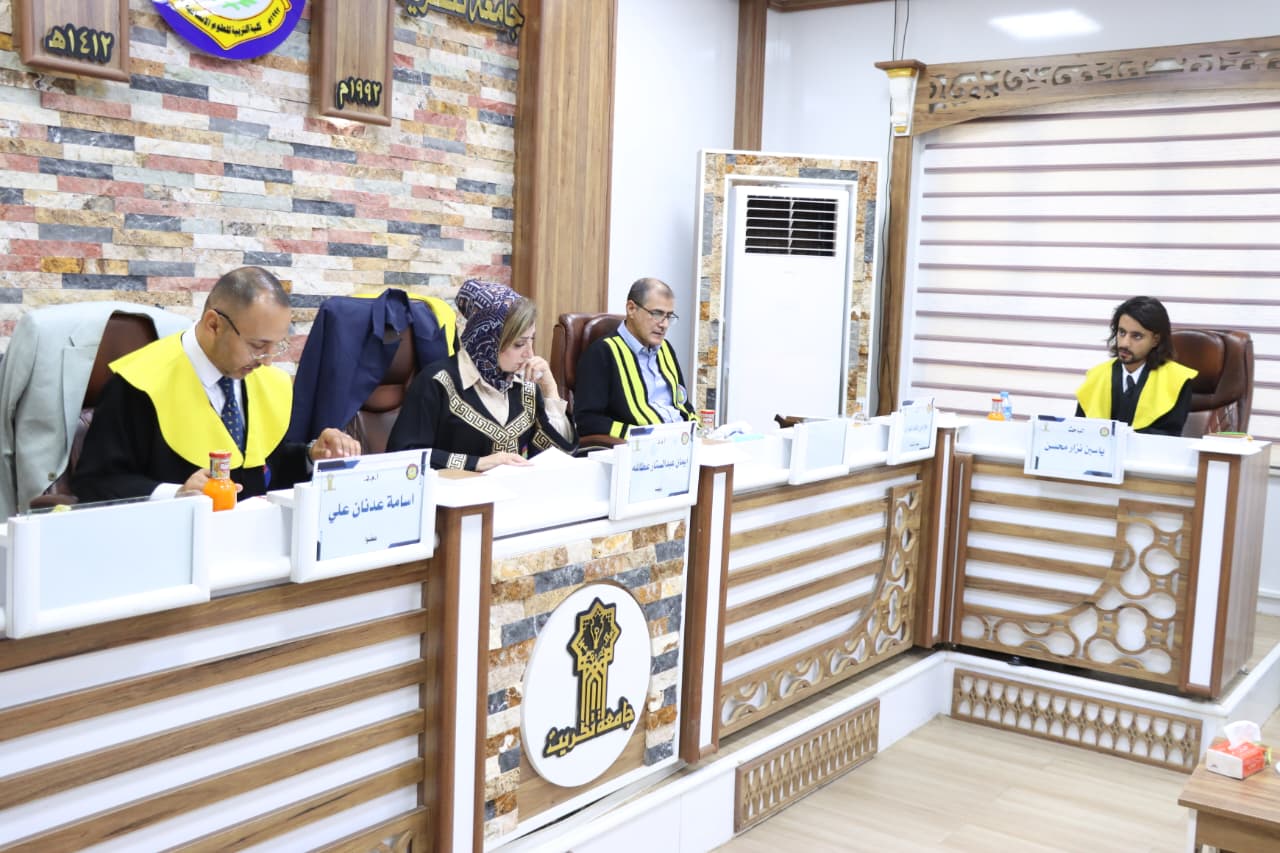
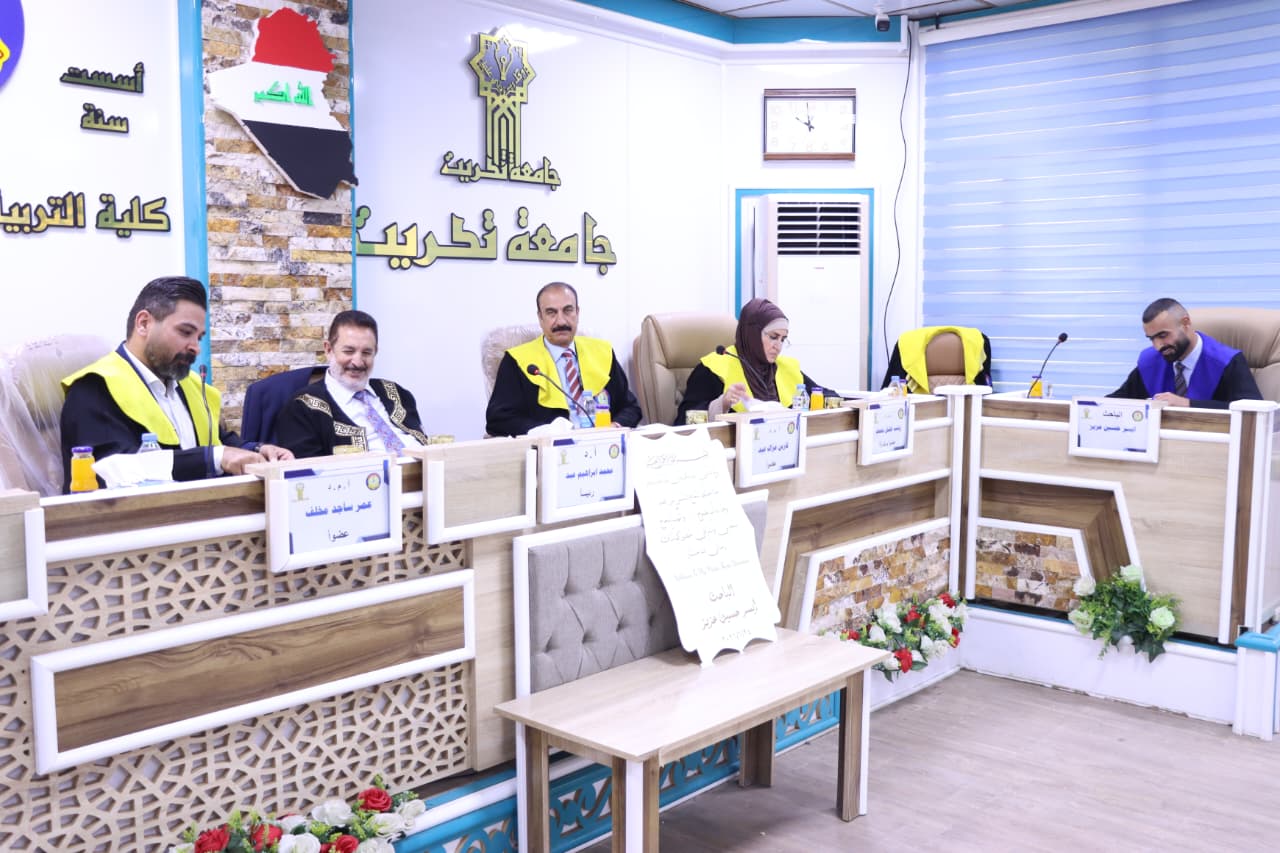
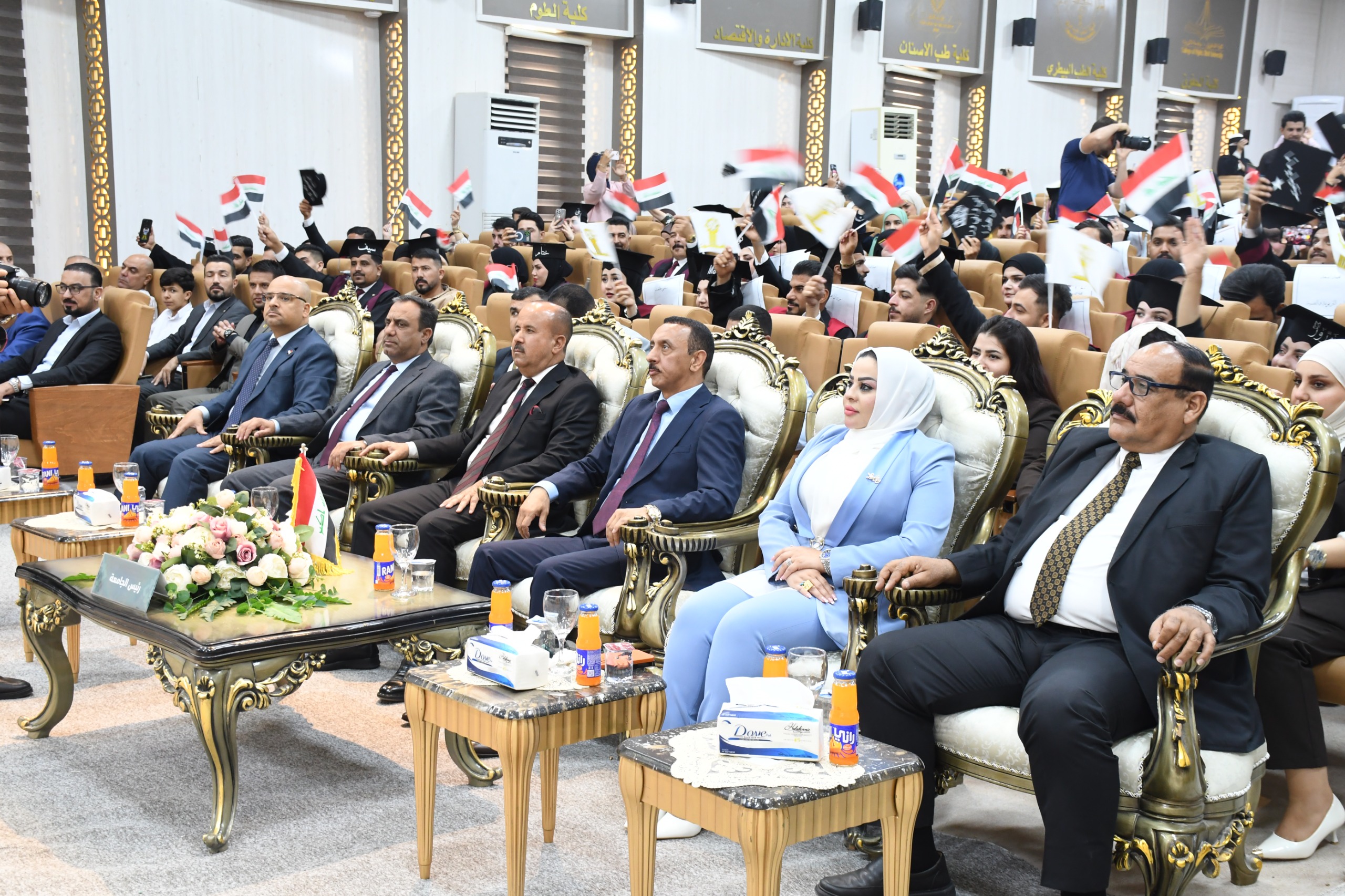
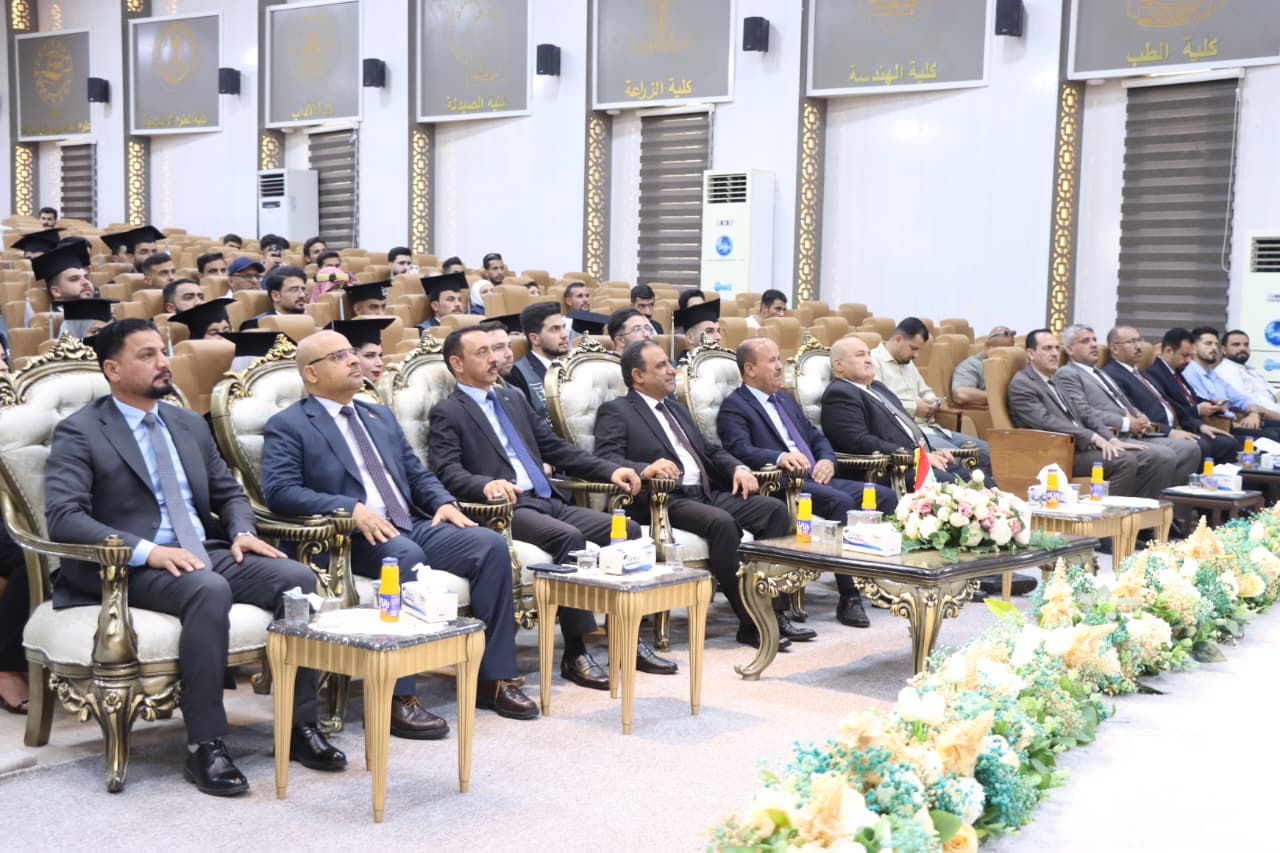
"Major Academic and Institutional Activities of the College"
College Statistics
7
Departments
0
Research Centers
7770
Undergraduate
Students
(Daytime - Evening)