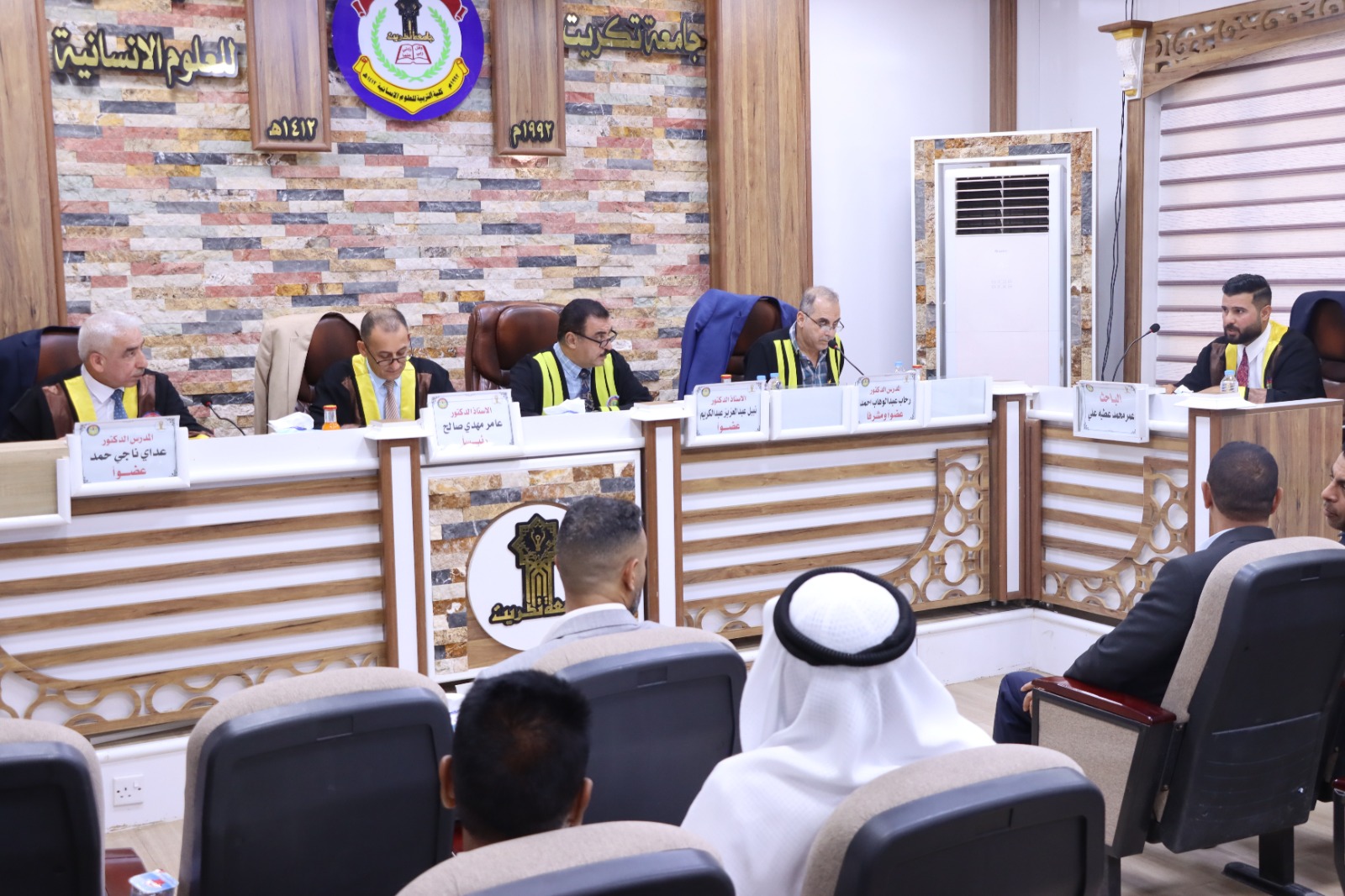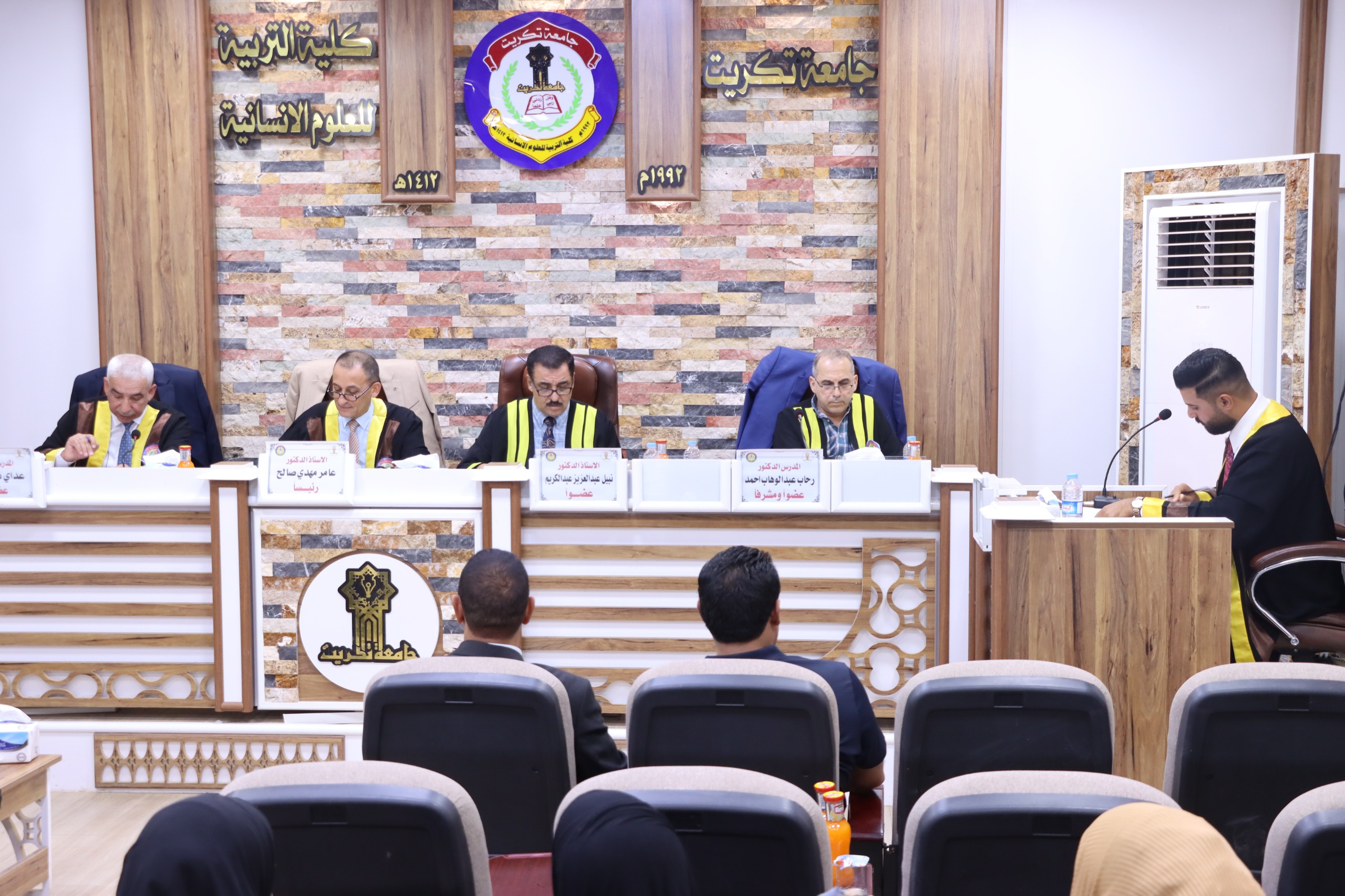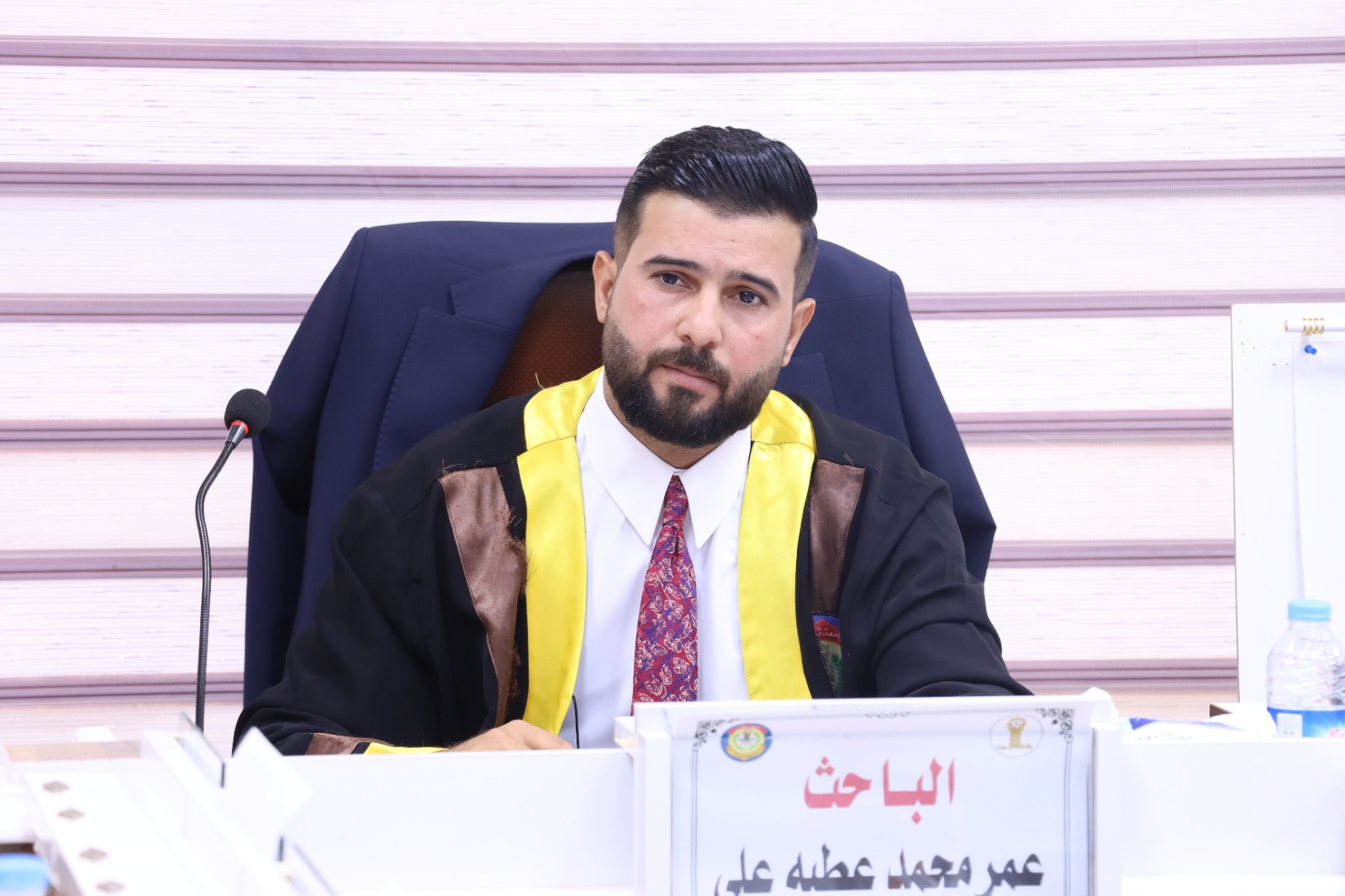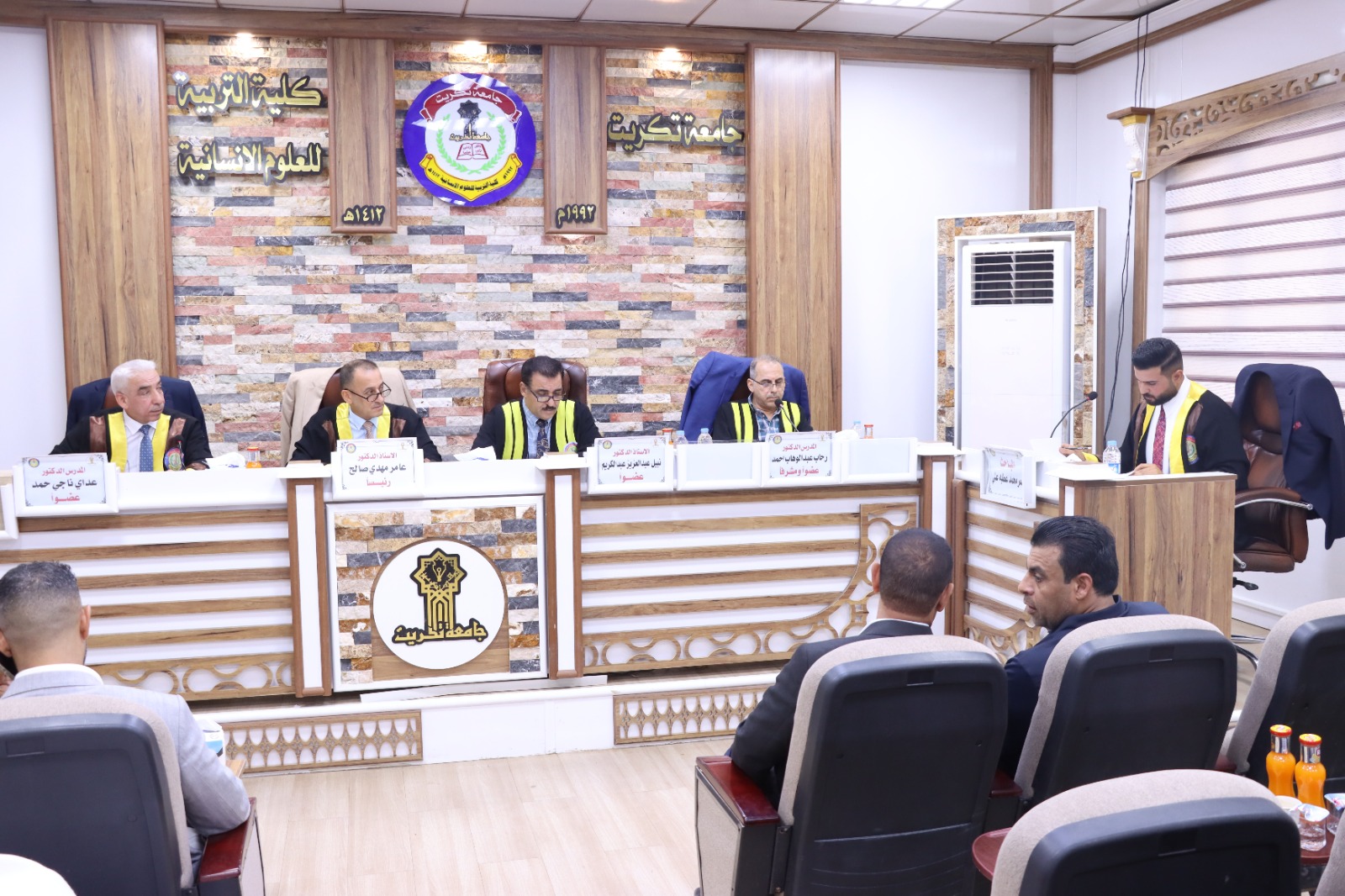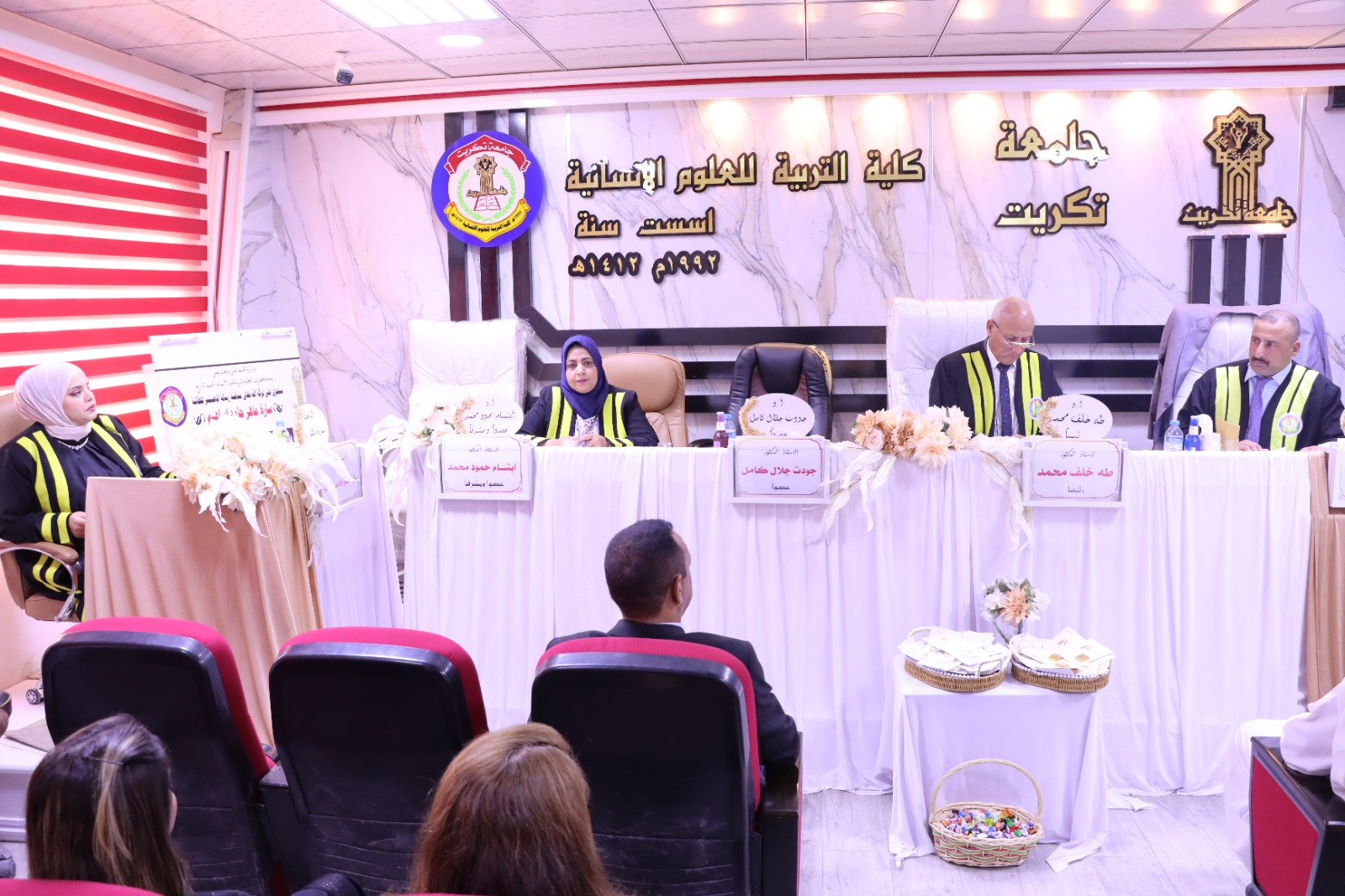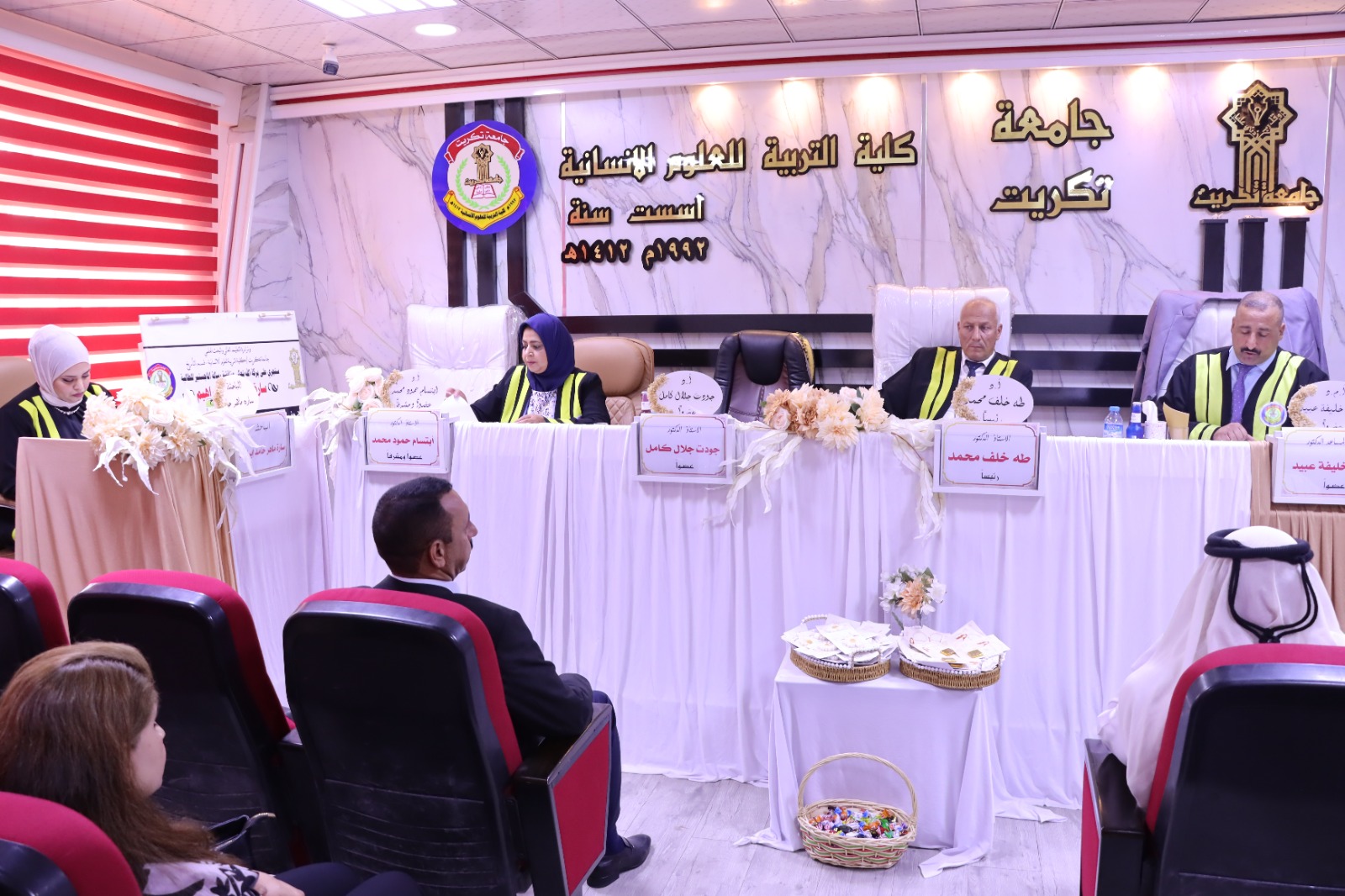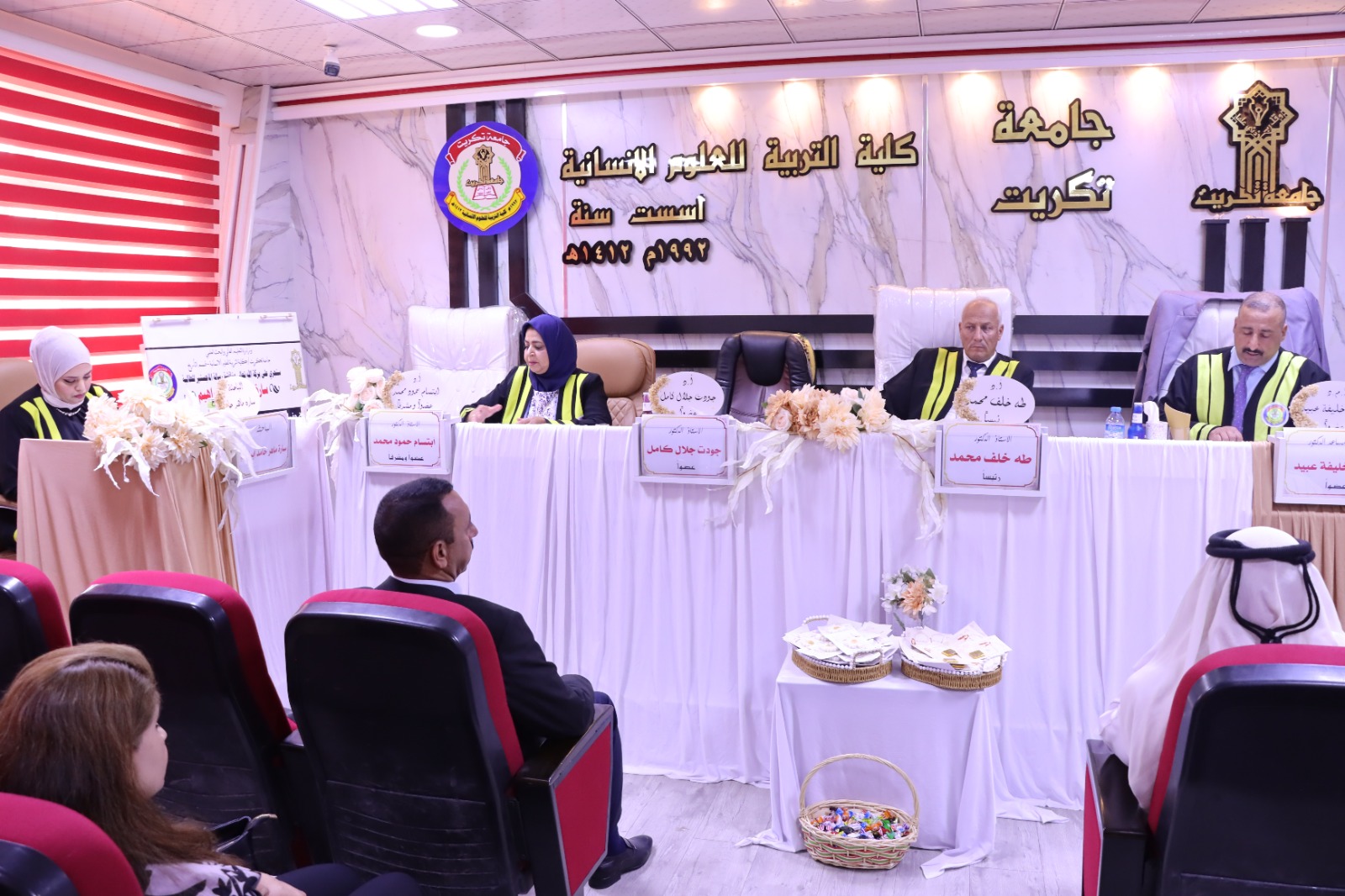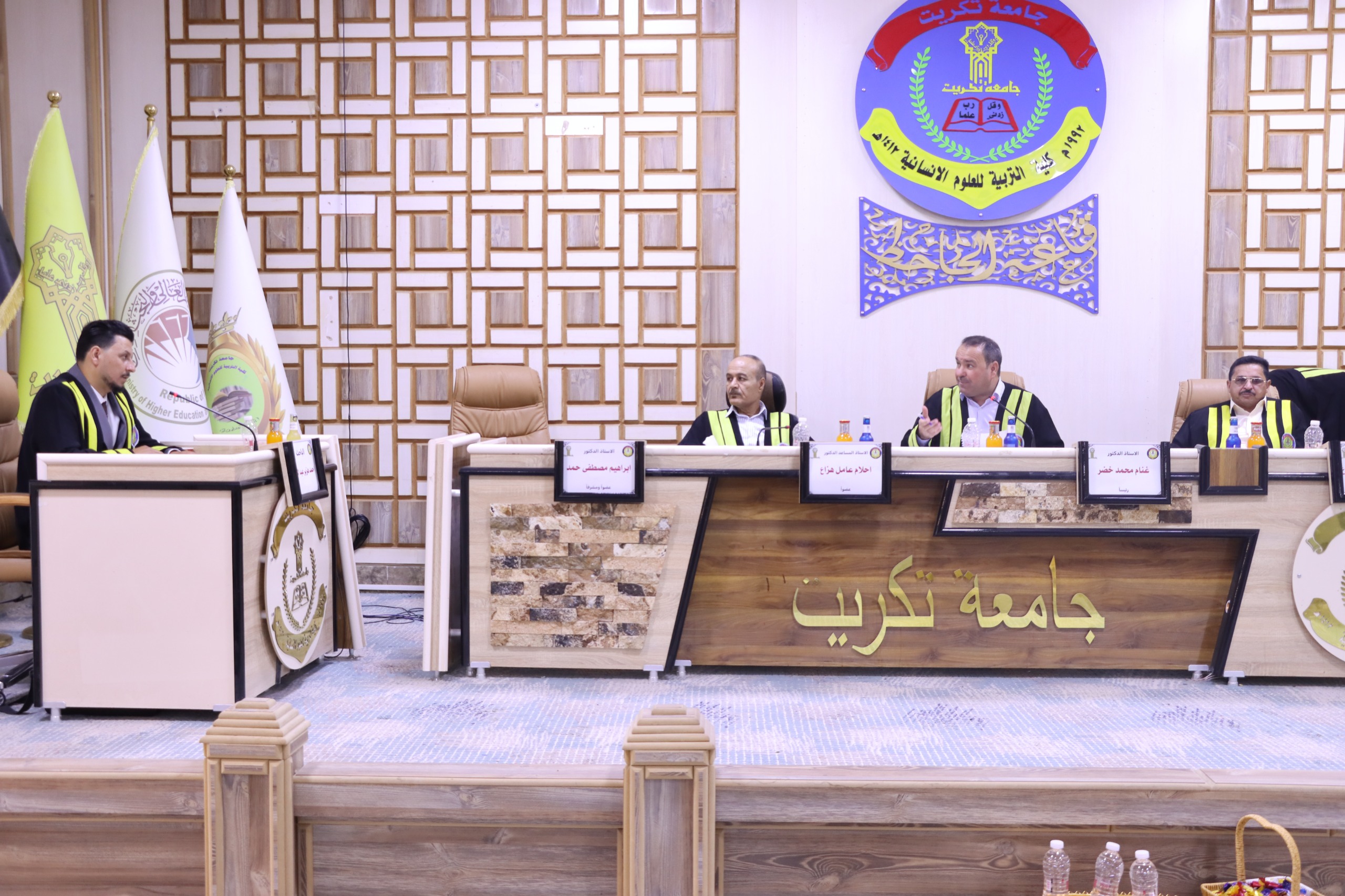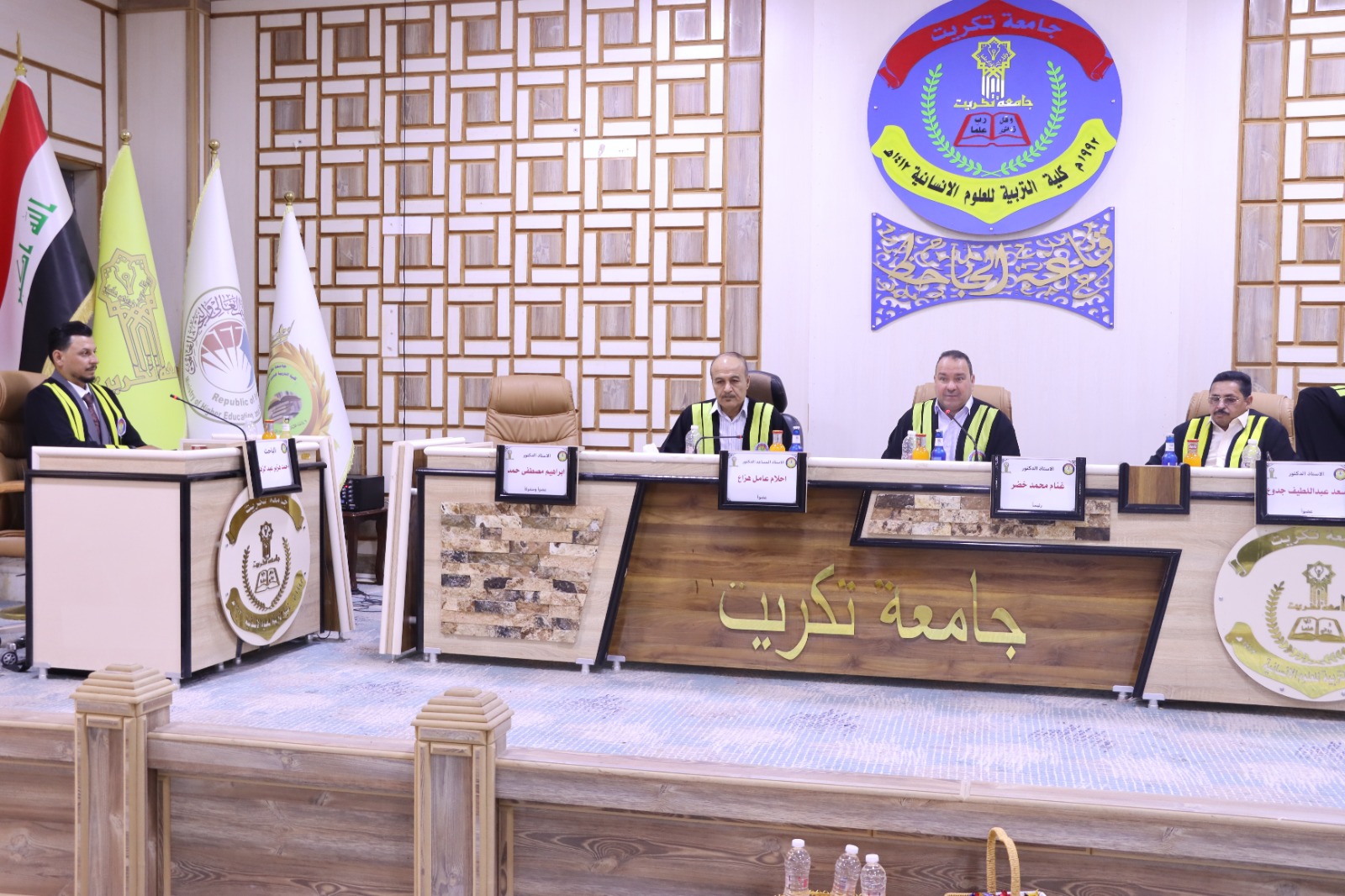
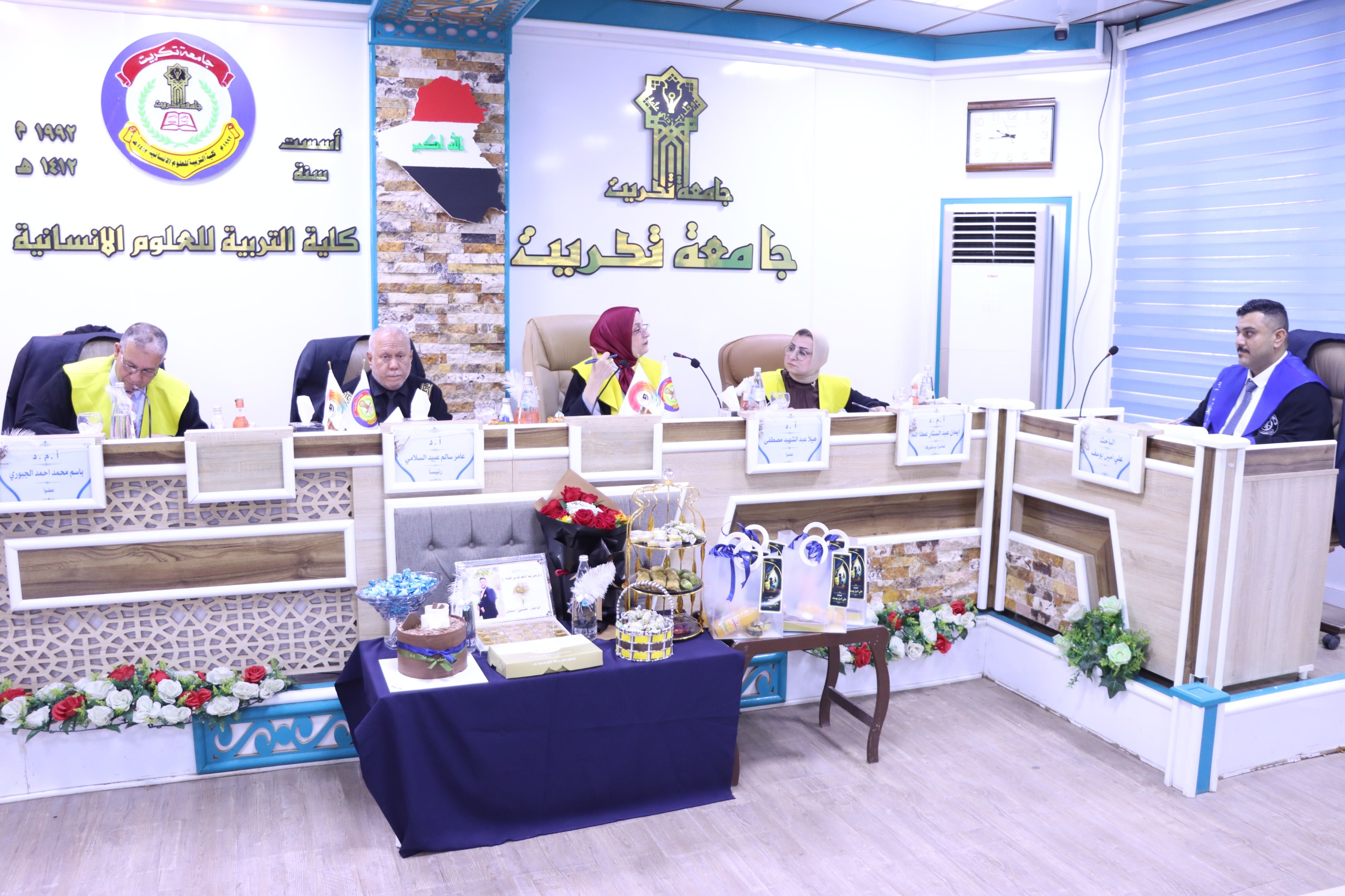
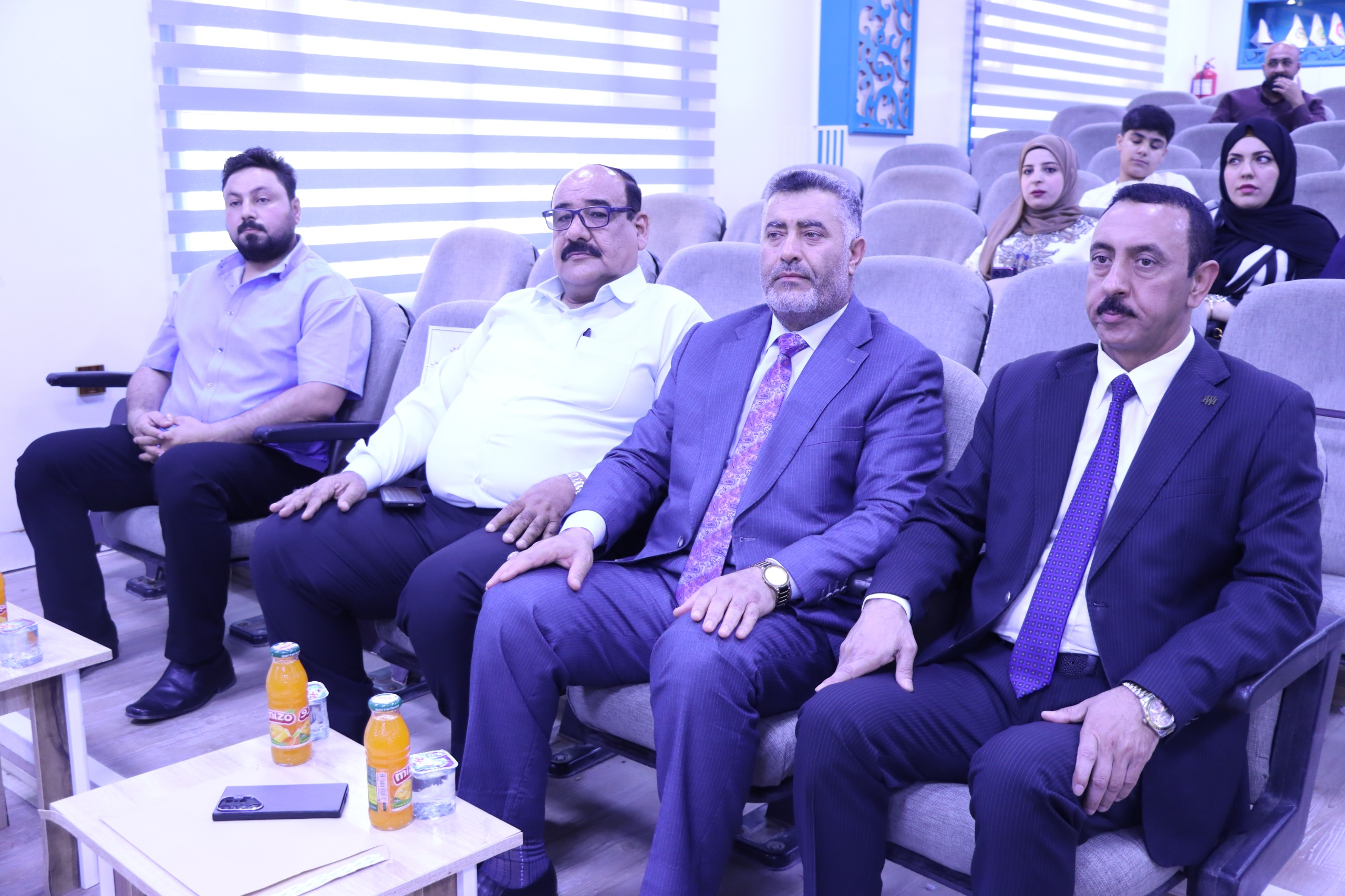
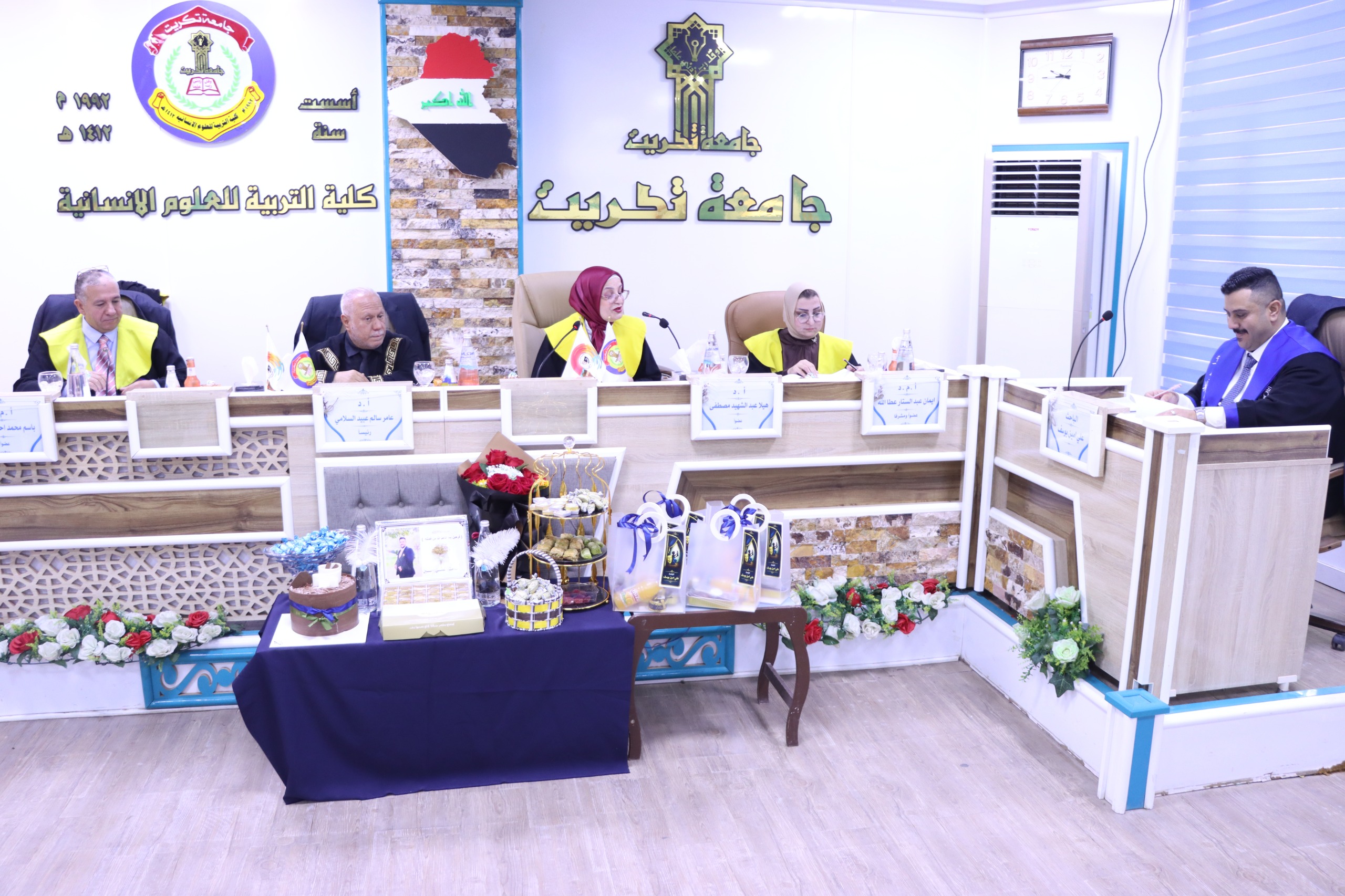
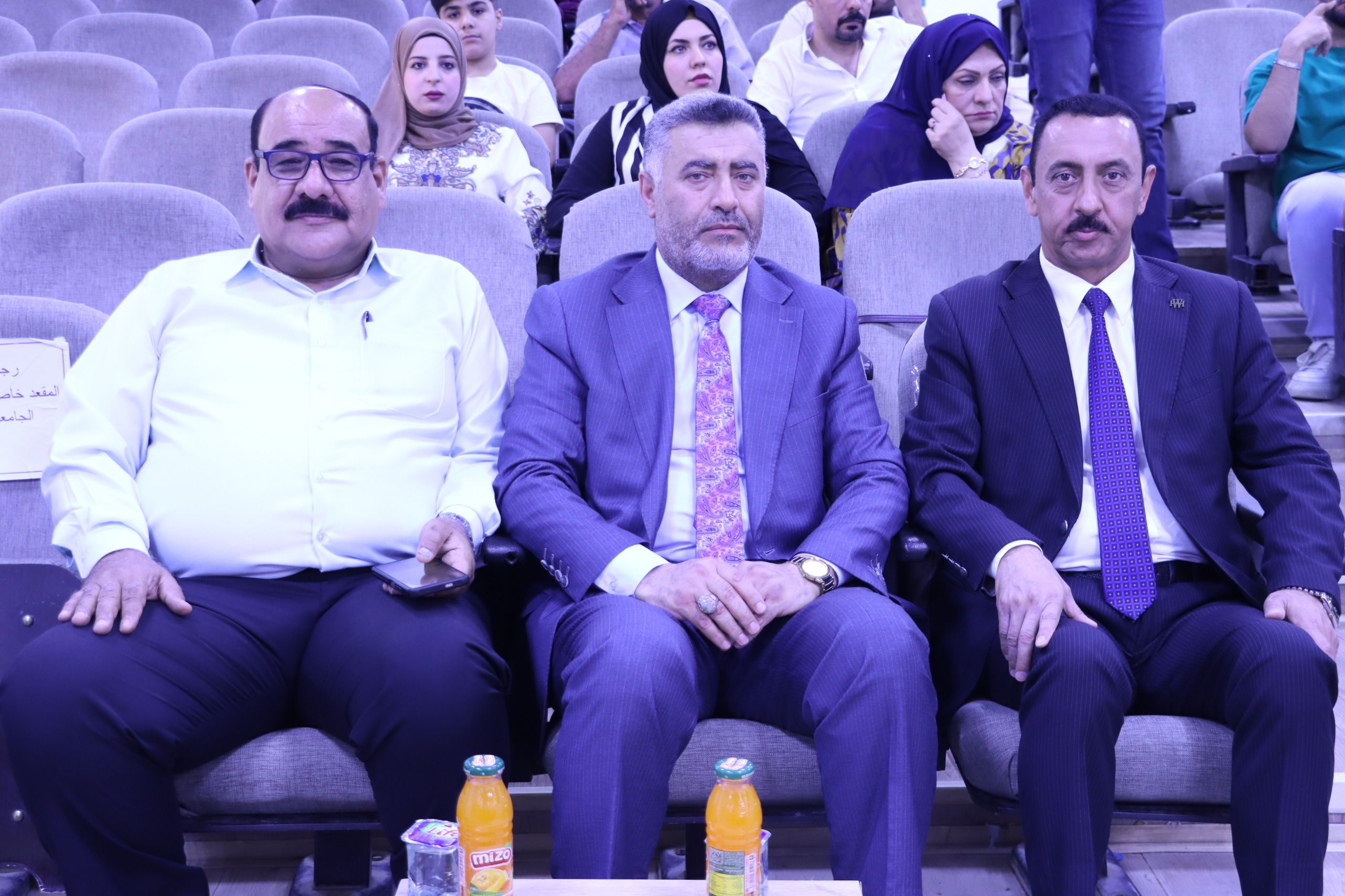
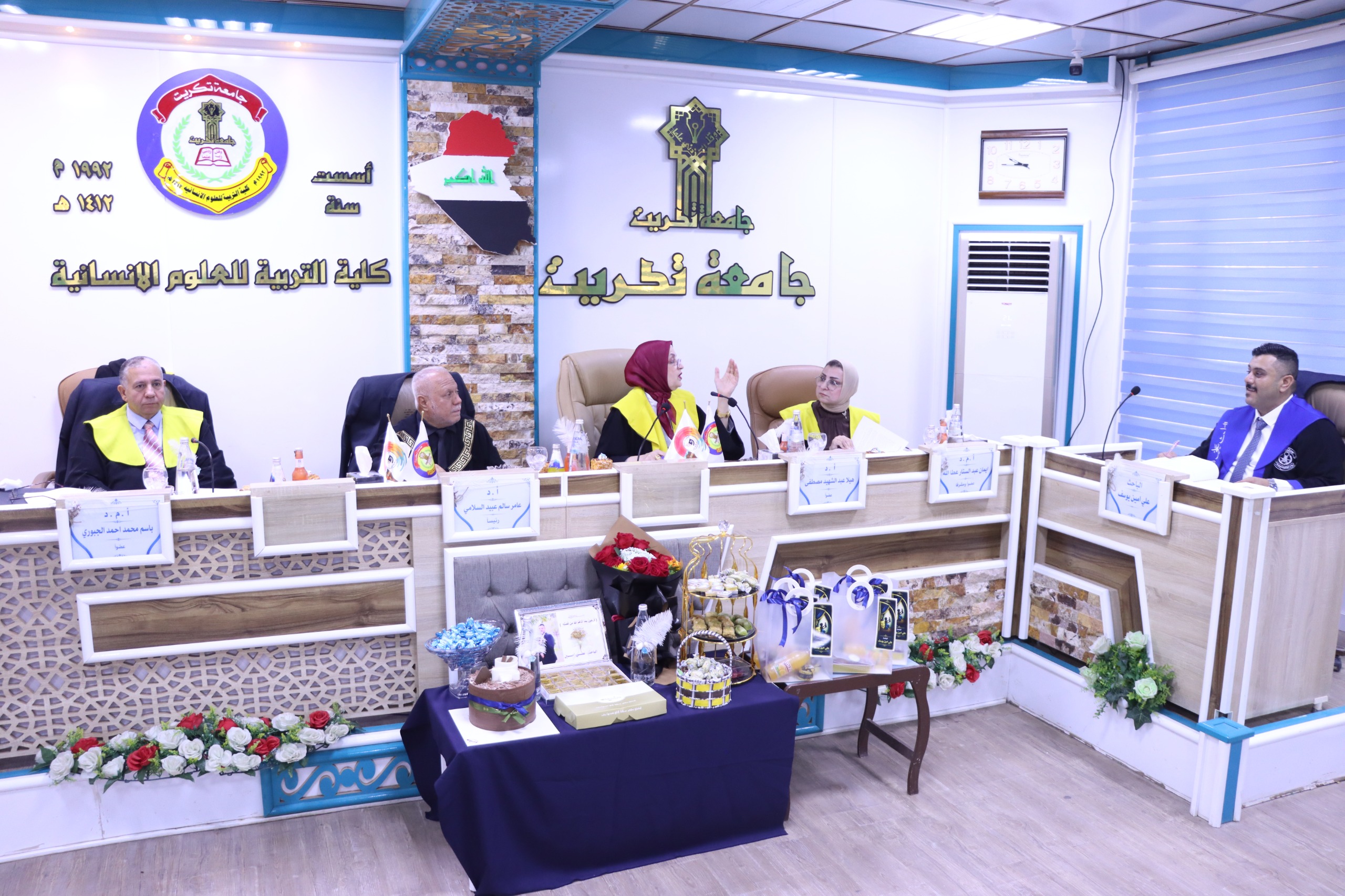
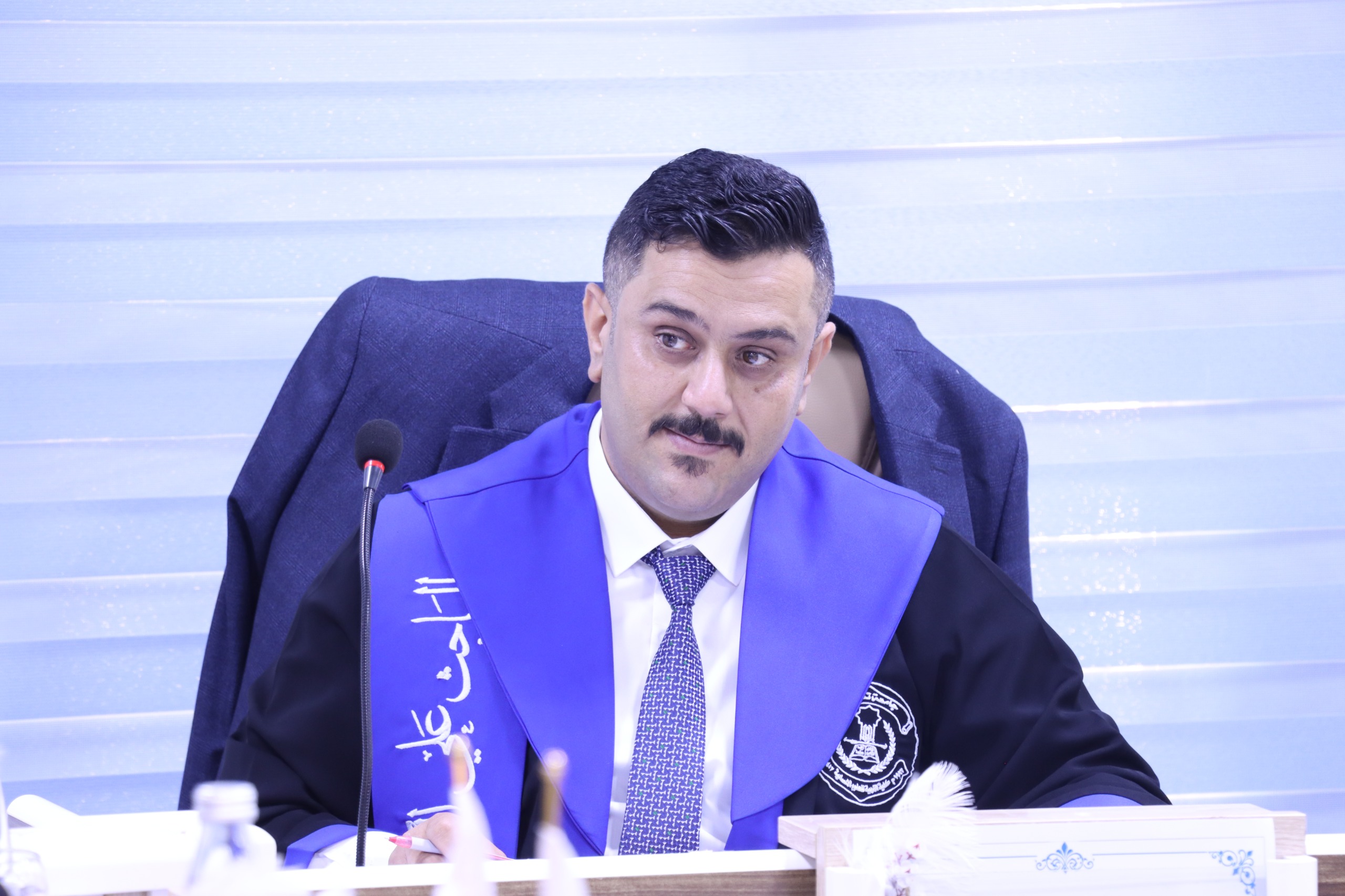
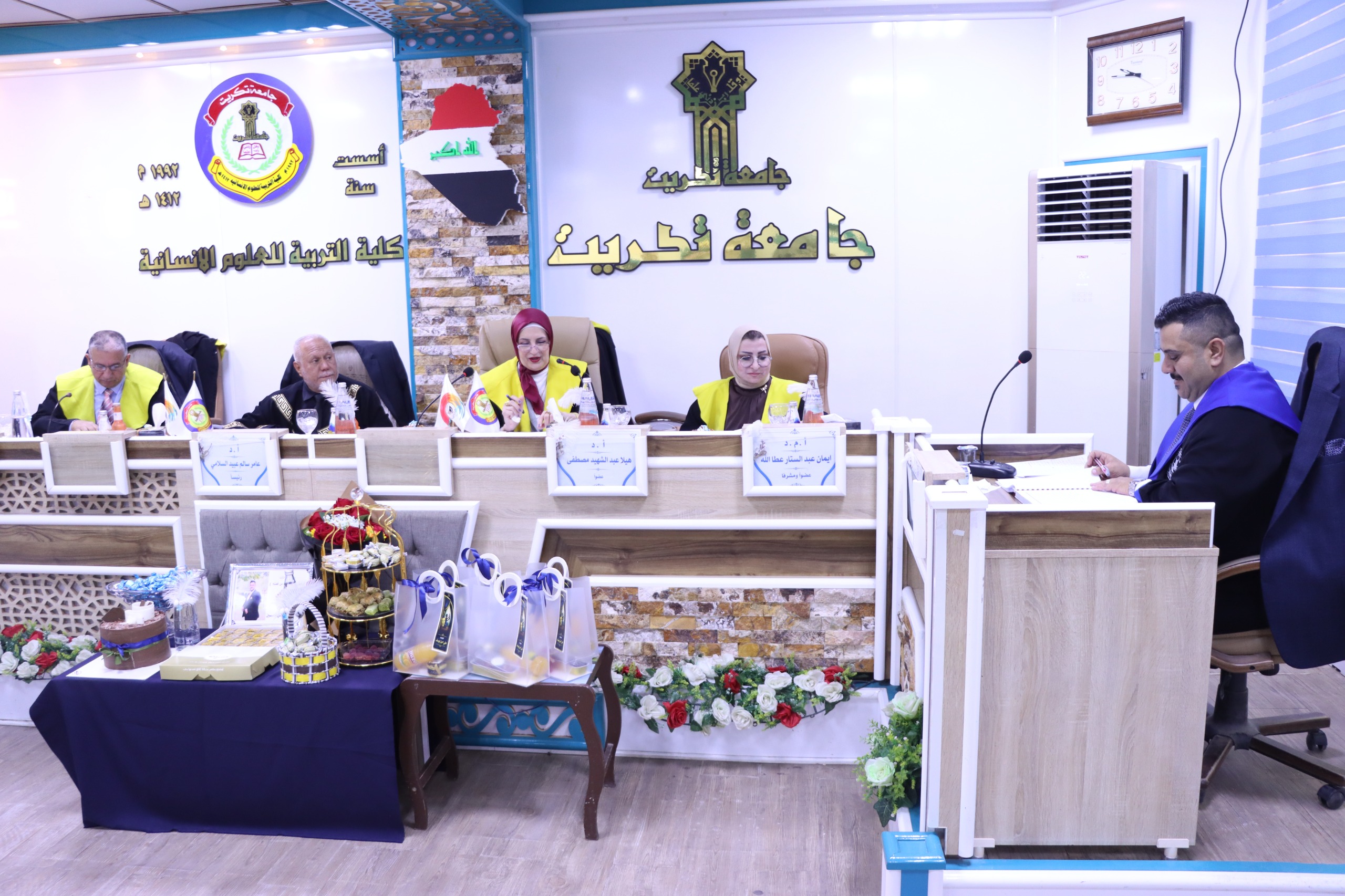
A Master’s thesis was defended at the Department of Art Education, College of Education for Humanities, on Tuesday, June 23, 2026, by the student Ali Amin Yousif, entitled “Non-Chronological Time and Its Representations in Children’s Theatre Performances.”
The study examines the concept of non-chronological time as a temporal pattern that transcends the linear sequence of events and adopts more flexible and diverse structures. It aims to explore the nature, characteristics, types, and mechanisms of employing non-chronological time in children’s theatre, as well as its role in shaping dramatic events and generating meaning. The research also investigates its relationship with the characteristics of child audiences and their capacity to comprehend imagination, memory, dreams, and anticipation.
The study is grounded in a theoretical framework that addresses concepts of time in theatre and the distinctive features of children’s theatre, seeking to understand the mechanisms through which non-chronological time is employed and its contribution to the development of theatrical discourse directed toward children.
The study reached several significant findings, including:
- Non-chronological time constitutes a fundamental element in the construction of children’s theatre performances through the departure from conventional chronological sequencing and the adoption of temporal fragmentation and overlap.
- This form of time is manifested through various artistic techniques, including disrupted chronology, flashbacks, foreshadowing, and multiple temporal levels.
- Psychological time occupies a prominent position in theatrical performances, as it is more closely associated with the perceptions and emotions of characters than with objective or real time.
- Non-chronological time contributes to activating the role of the child audience by engaging them in understanding relationships between events and constructing meaning.
- Non-chronological time possesses both aesthetic and educational value, fostering imagination and critical thinking while presenting ideas in an engaging and accessible manner.
The examination committee consisted of:
- Prof. Dr. Amer Salem Obeid – University of Tikrit, College of Education for Humanities (Chair)
- Prof. Dr. Haila Abdul Shahid Mustafa – University of Baghdad, College of Fine Arts (Member)
- Asst. Prof. Dr. Basim Mohammed Ahmed – University of Tikrit, College of Education for Humanities (Member)
- Asst. Prof. Dr. Iman Abdul Sattar Atta Allah – University of Tikrit, College of Education for Humanities (Member and Supervisor)
Media and Government Communication Division
College of Education for Humanities – University of Tikrit