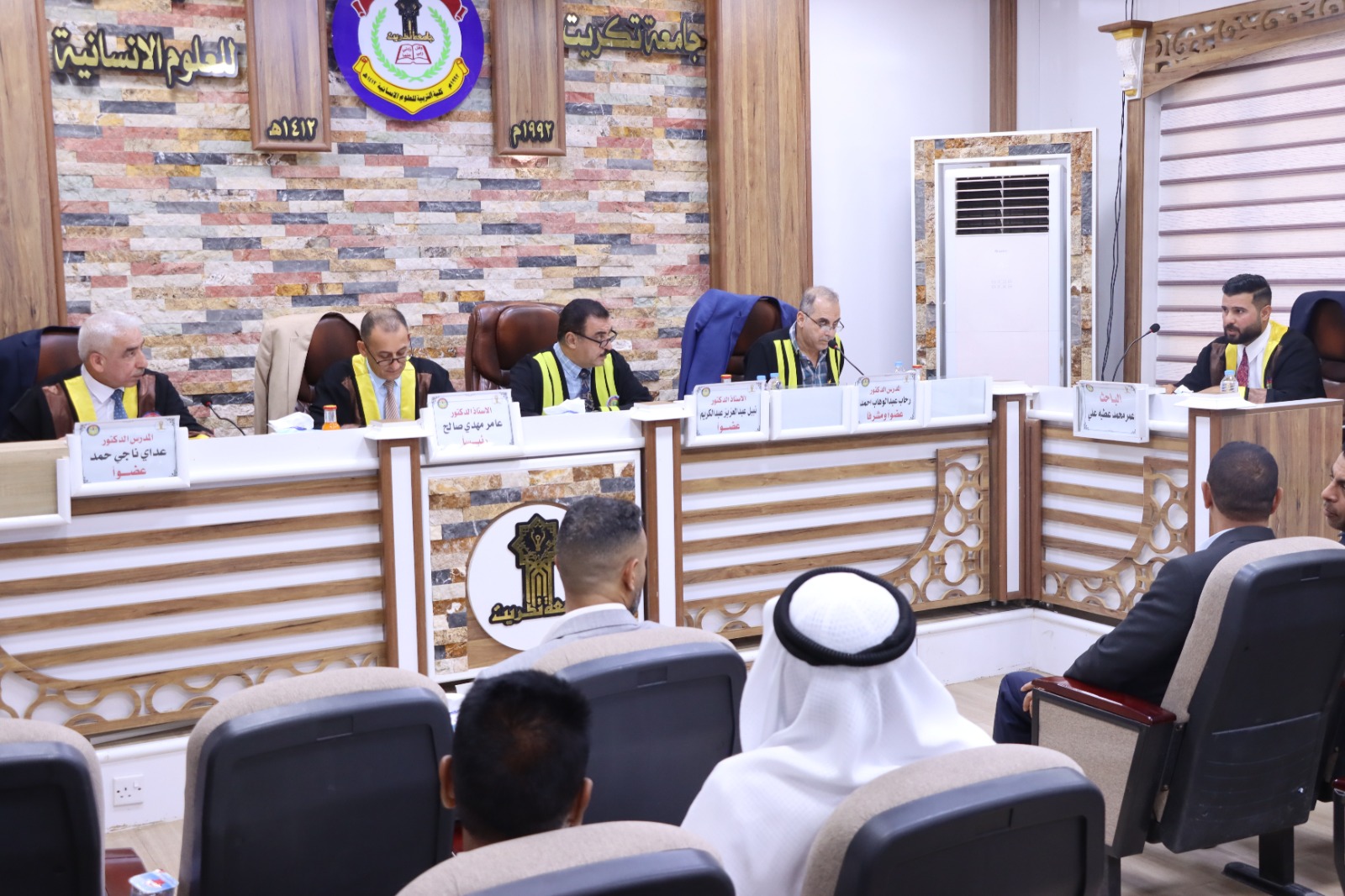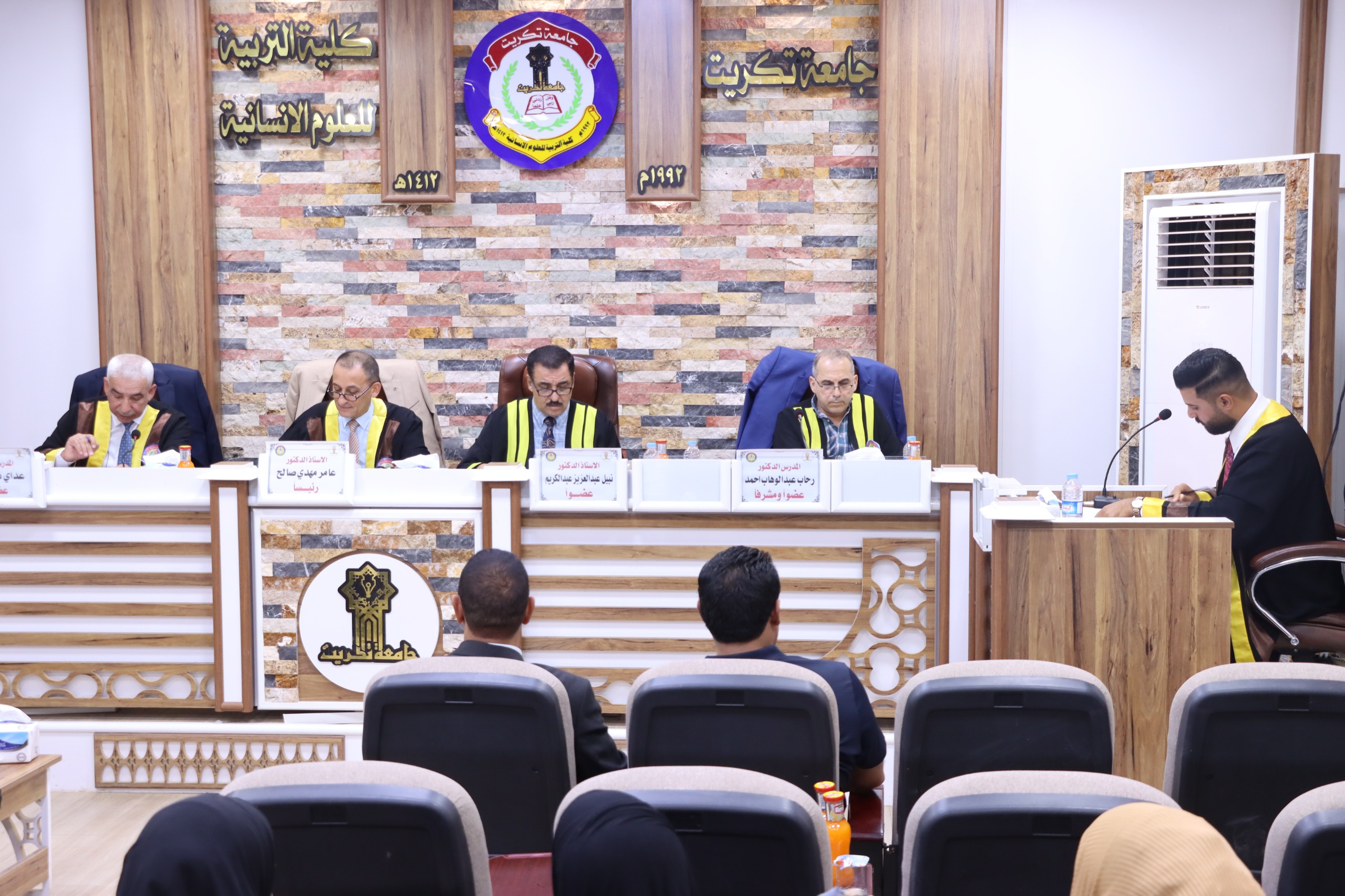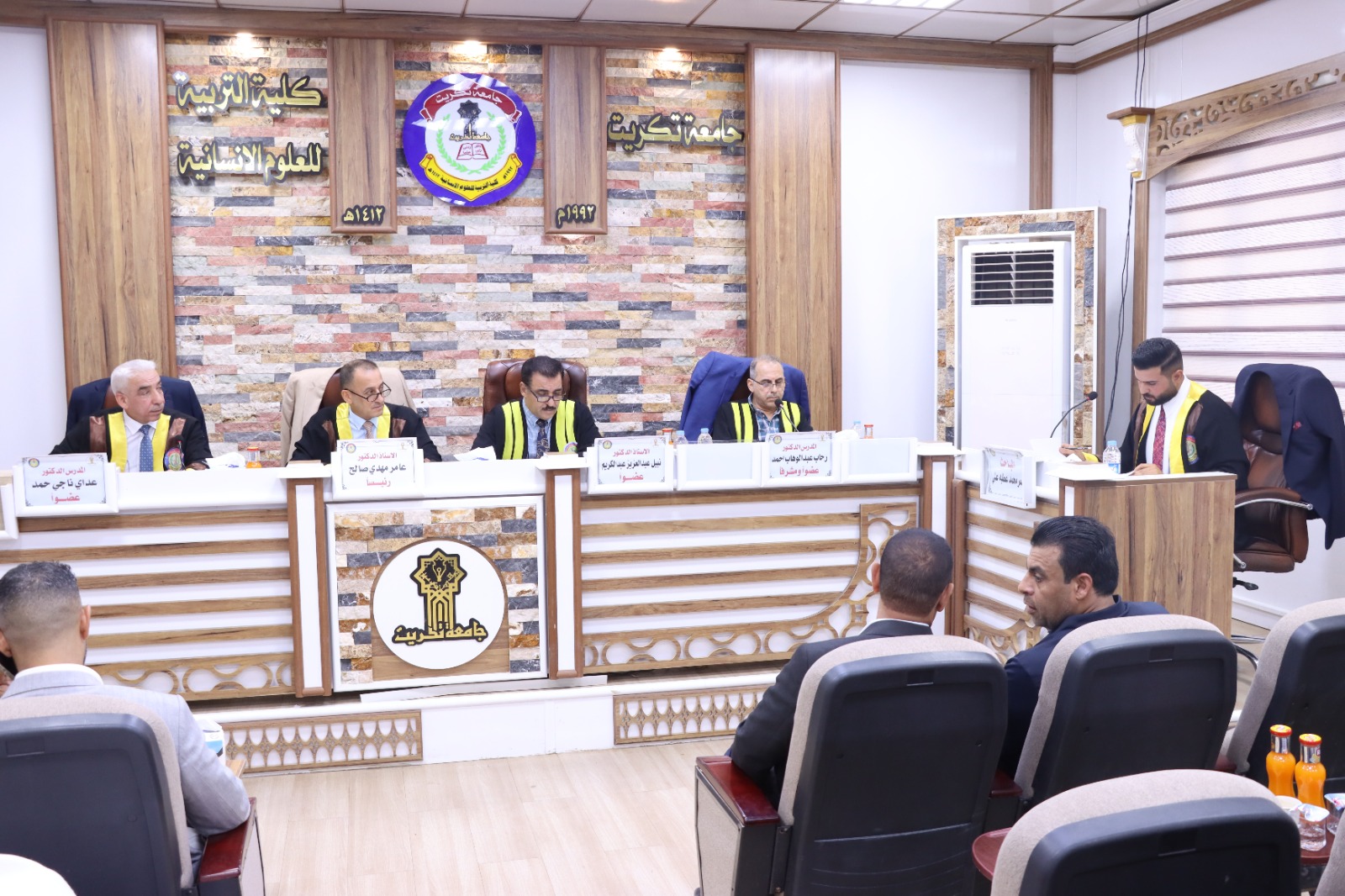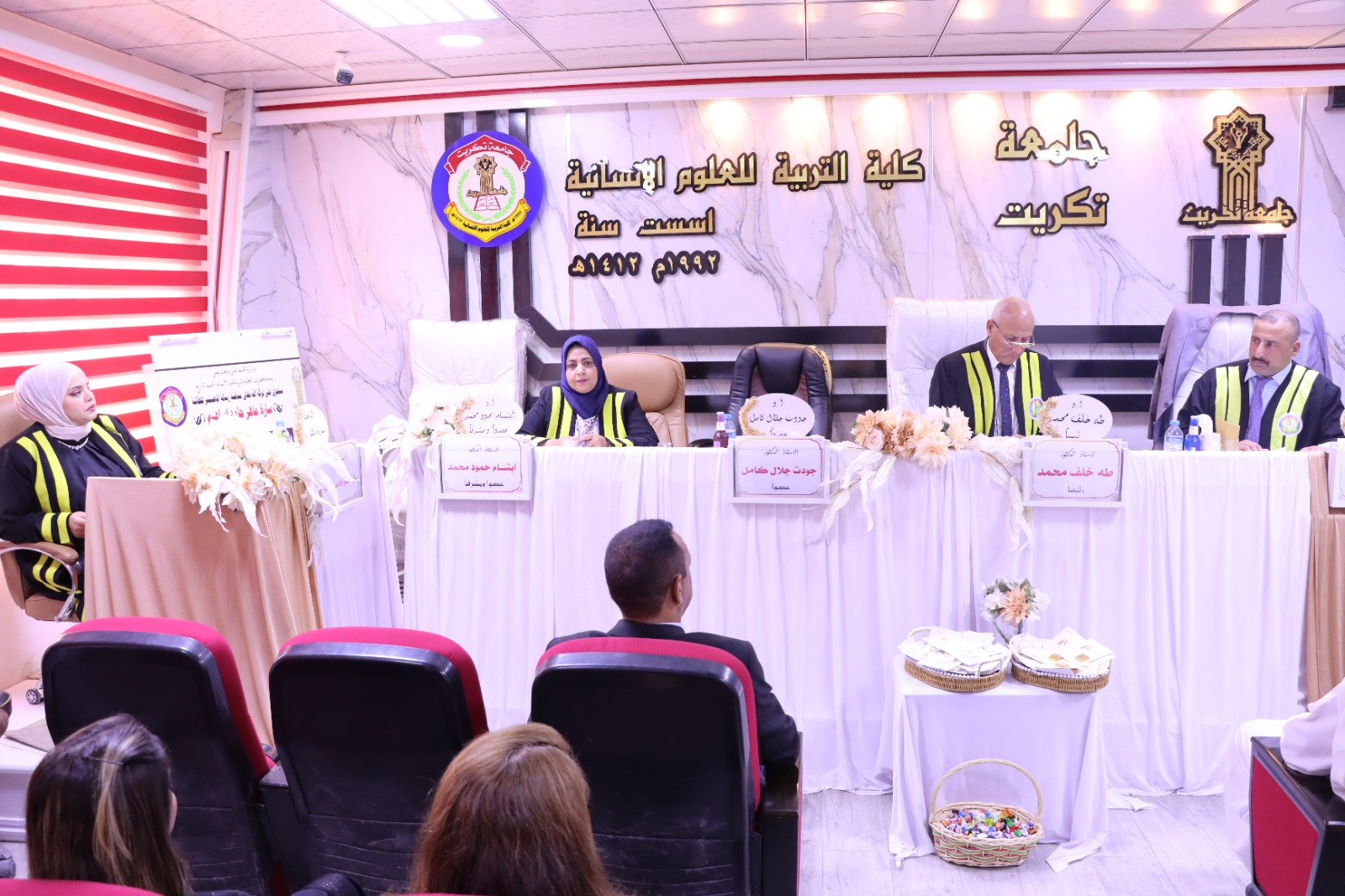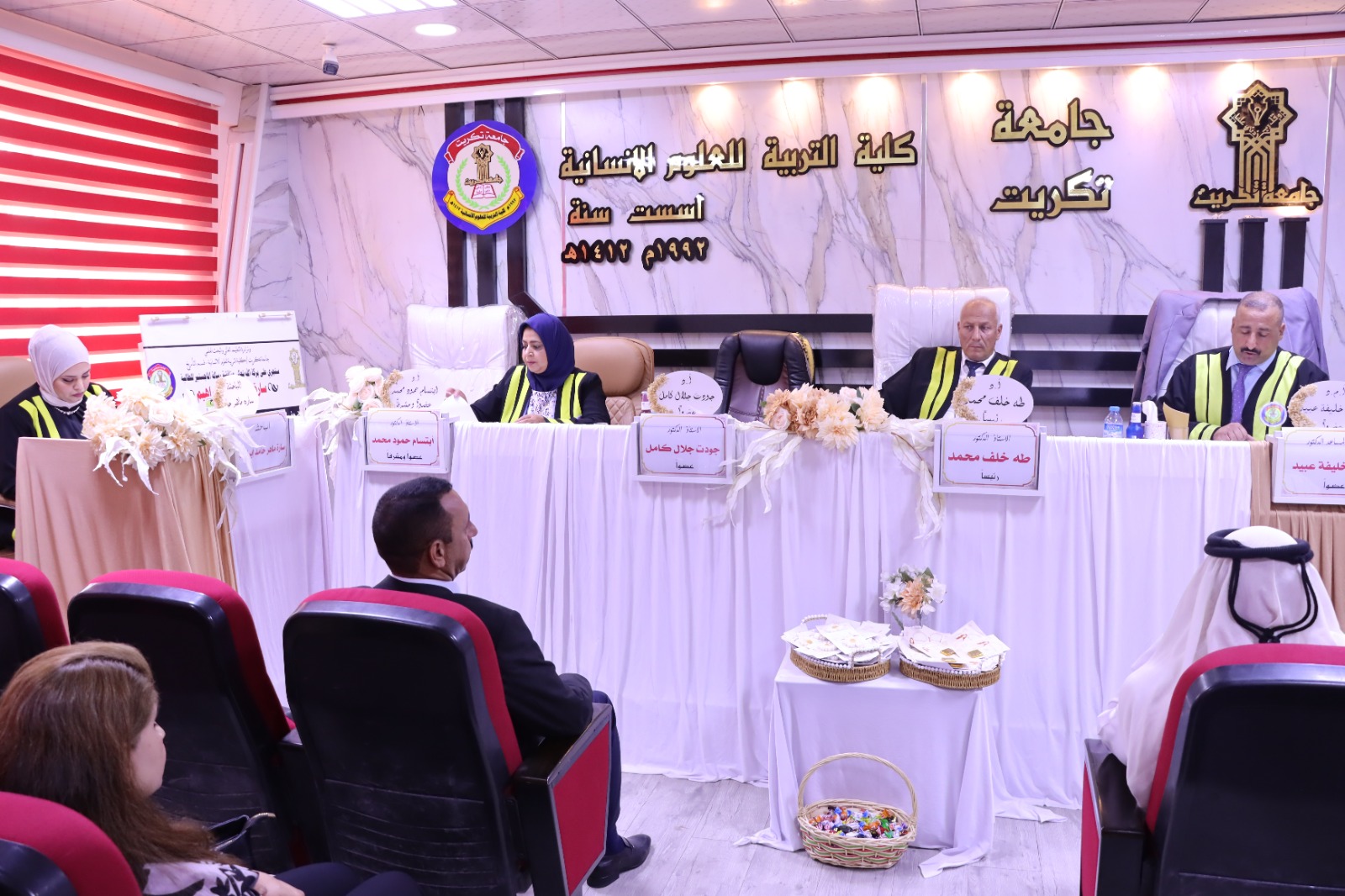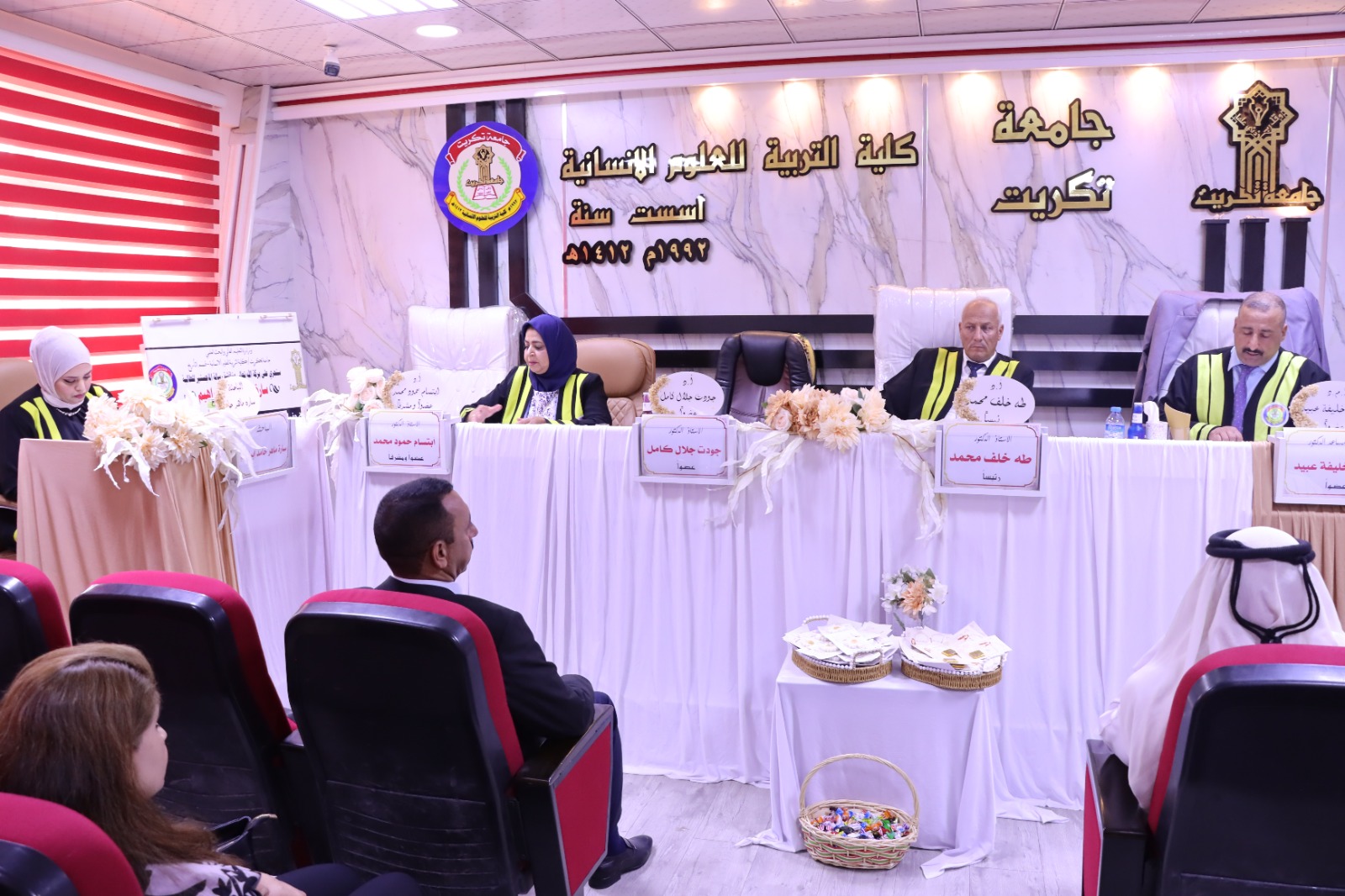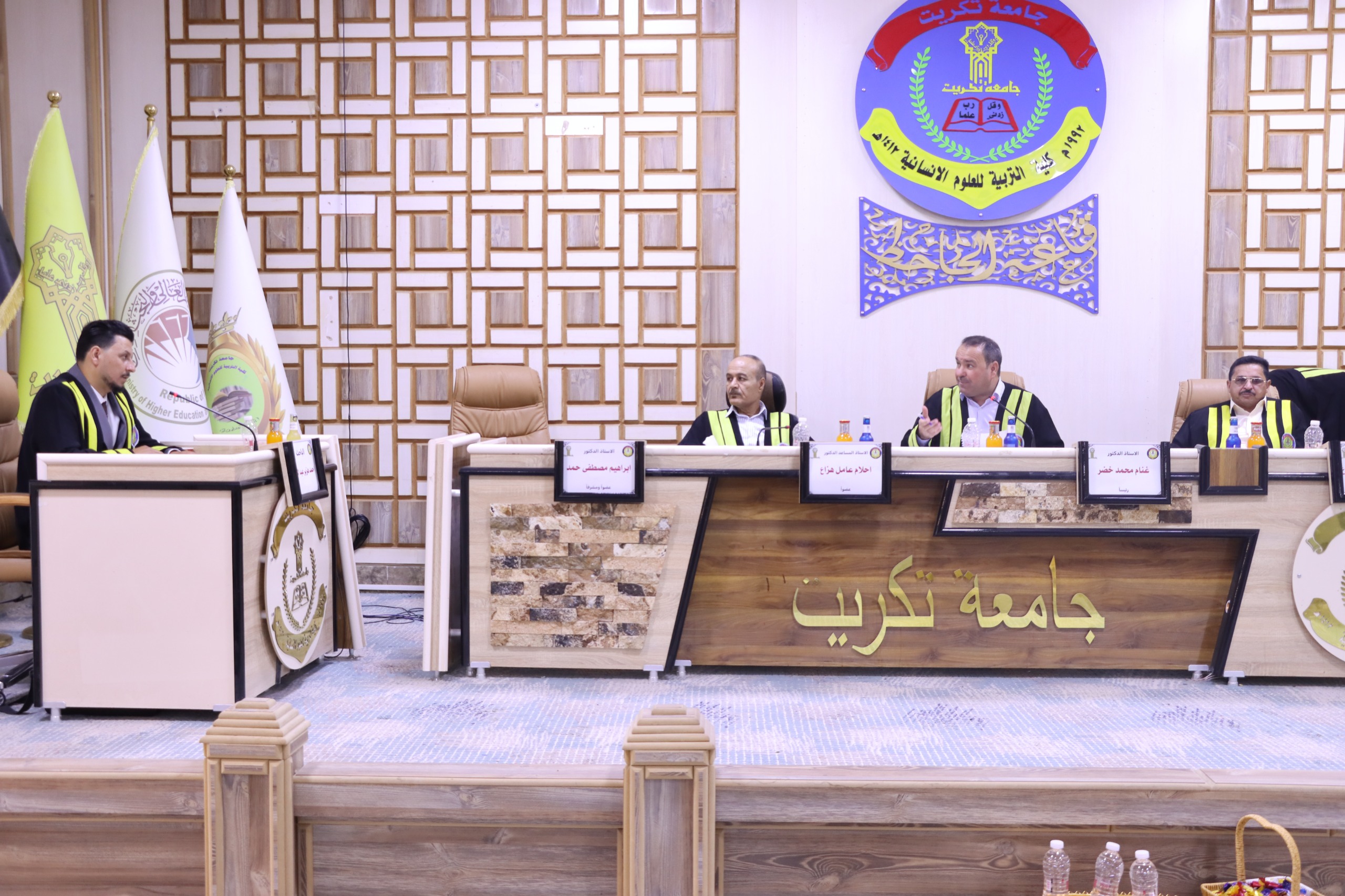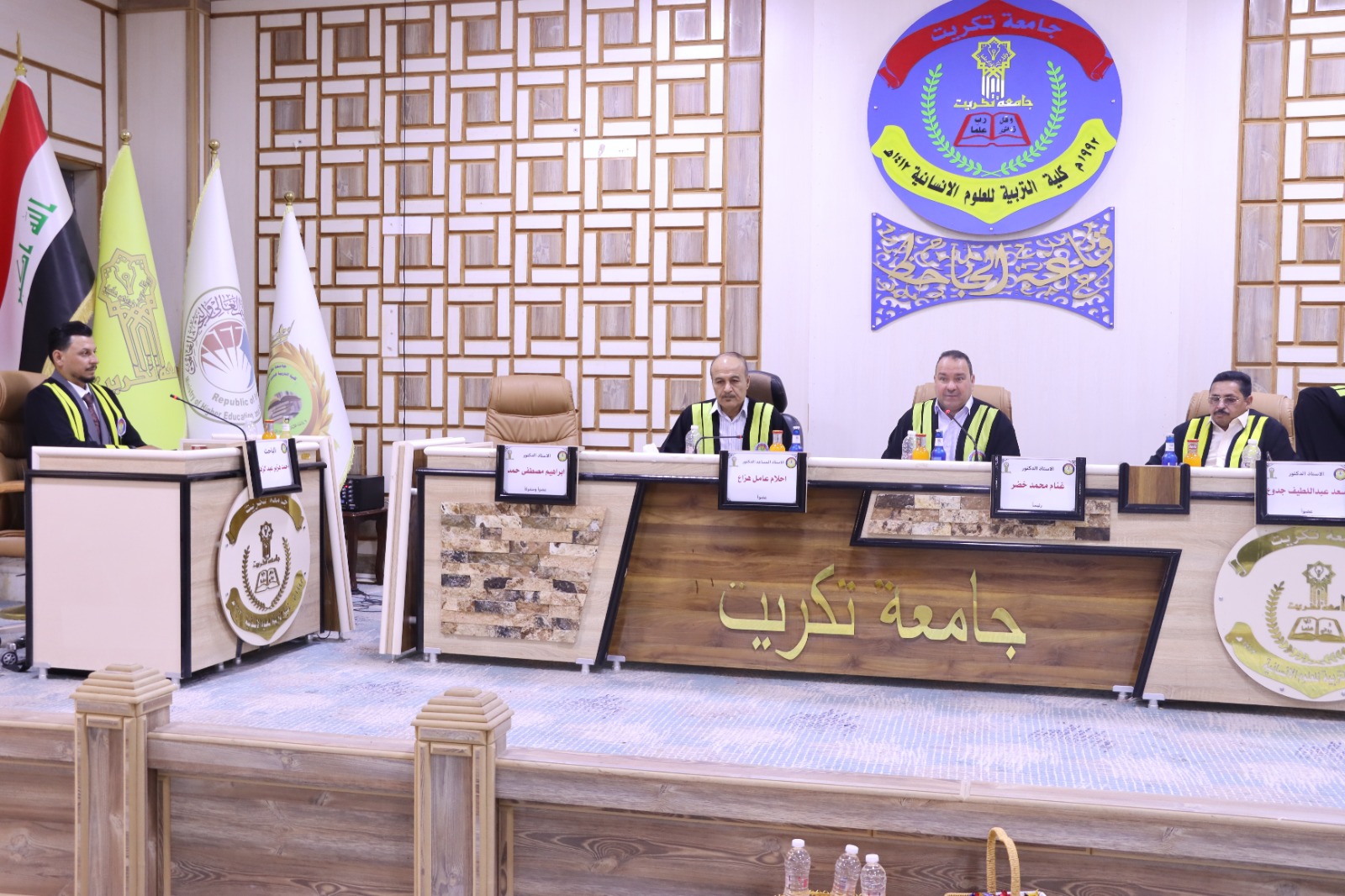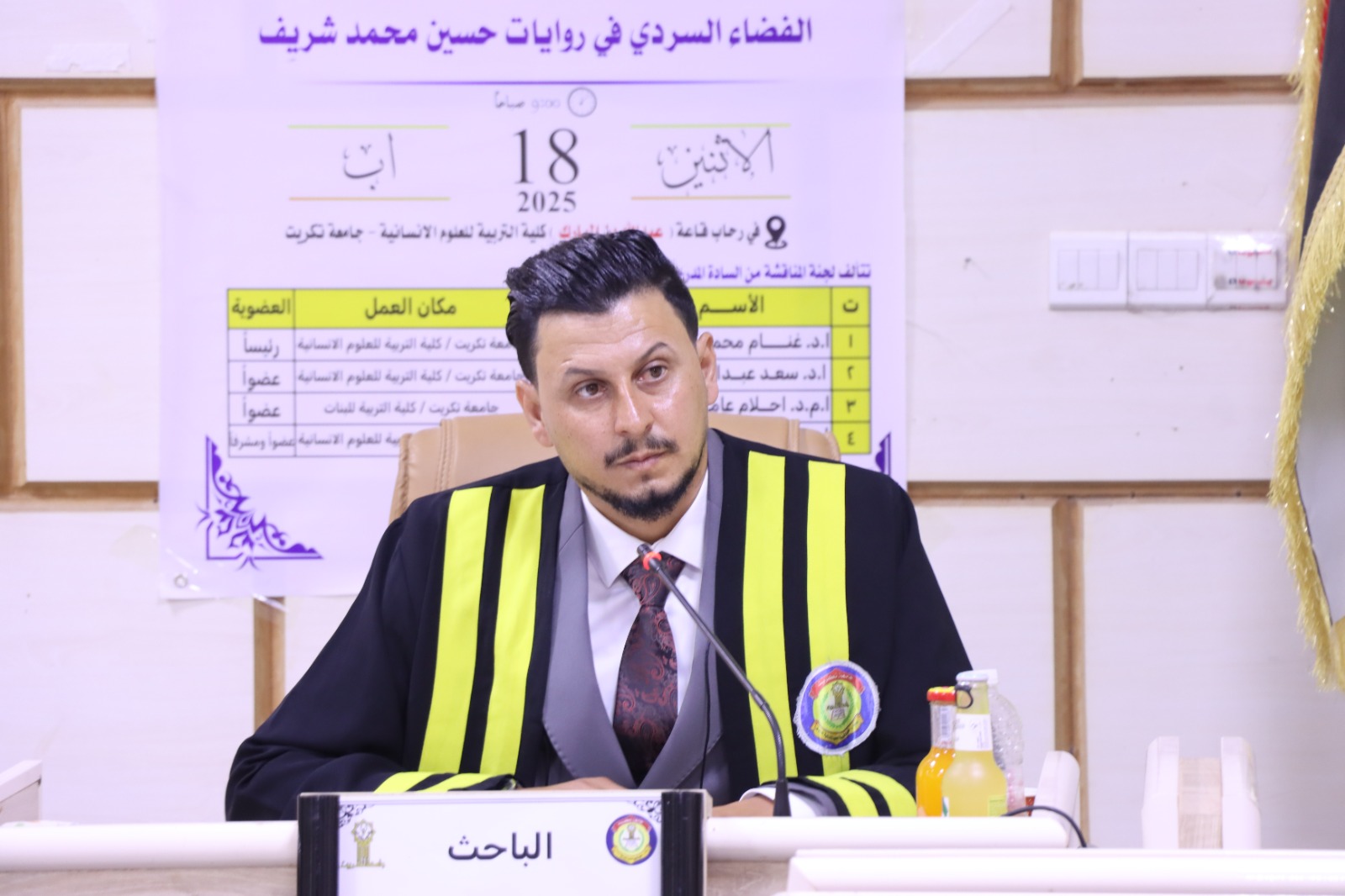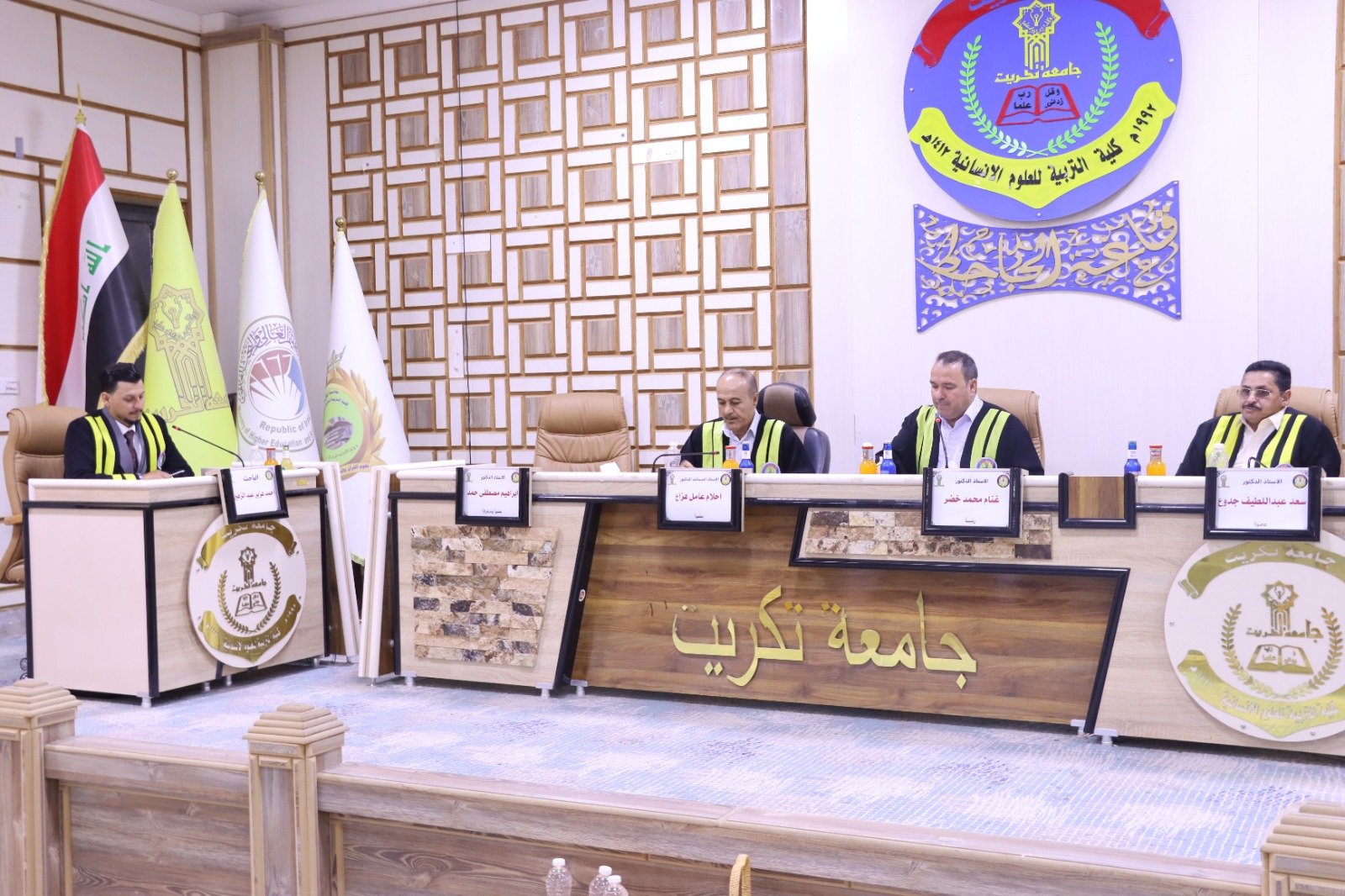
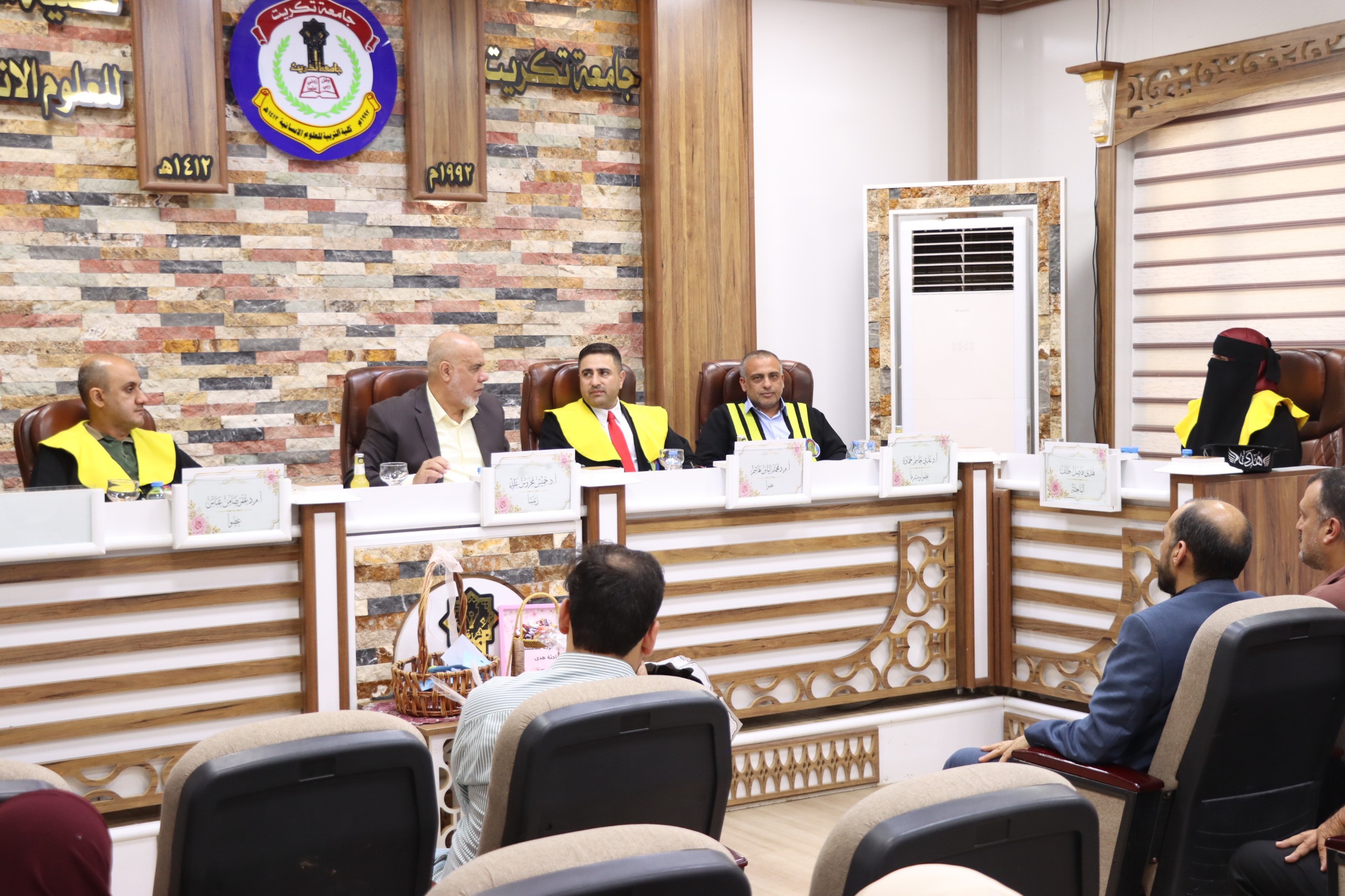
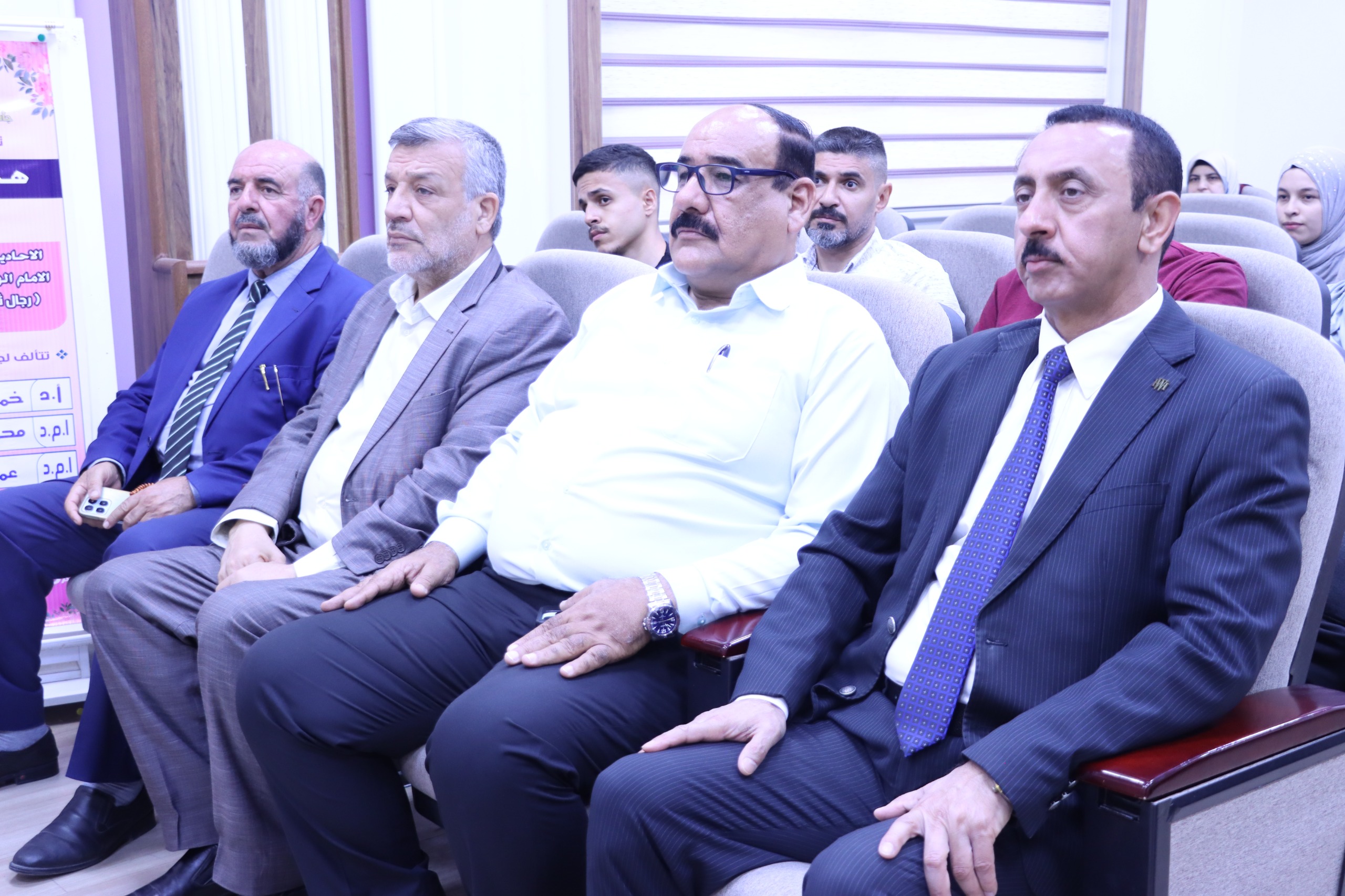
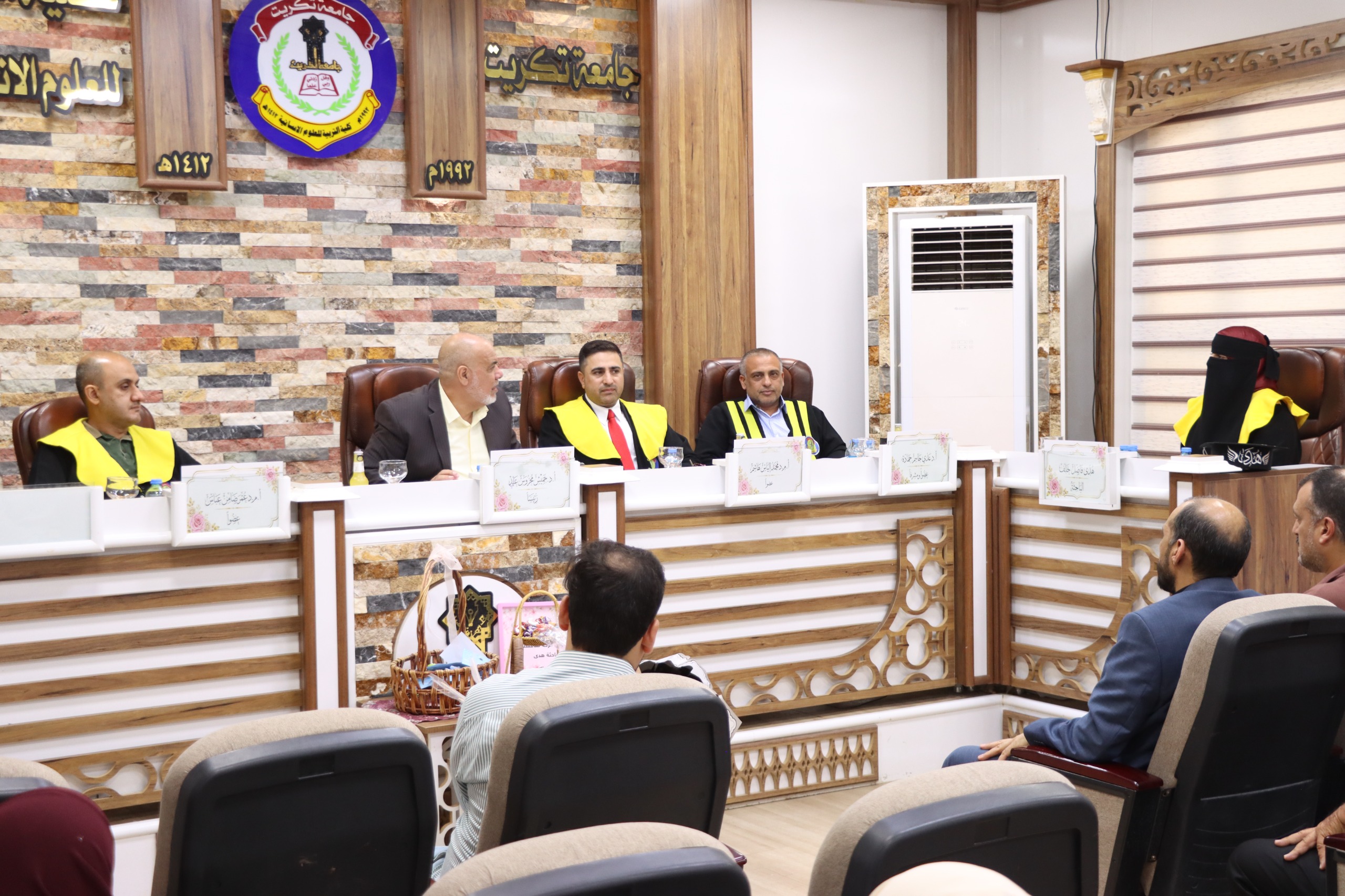
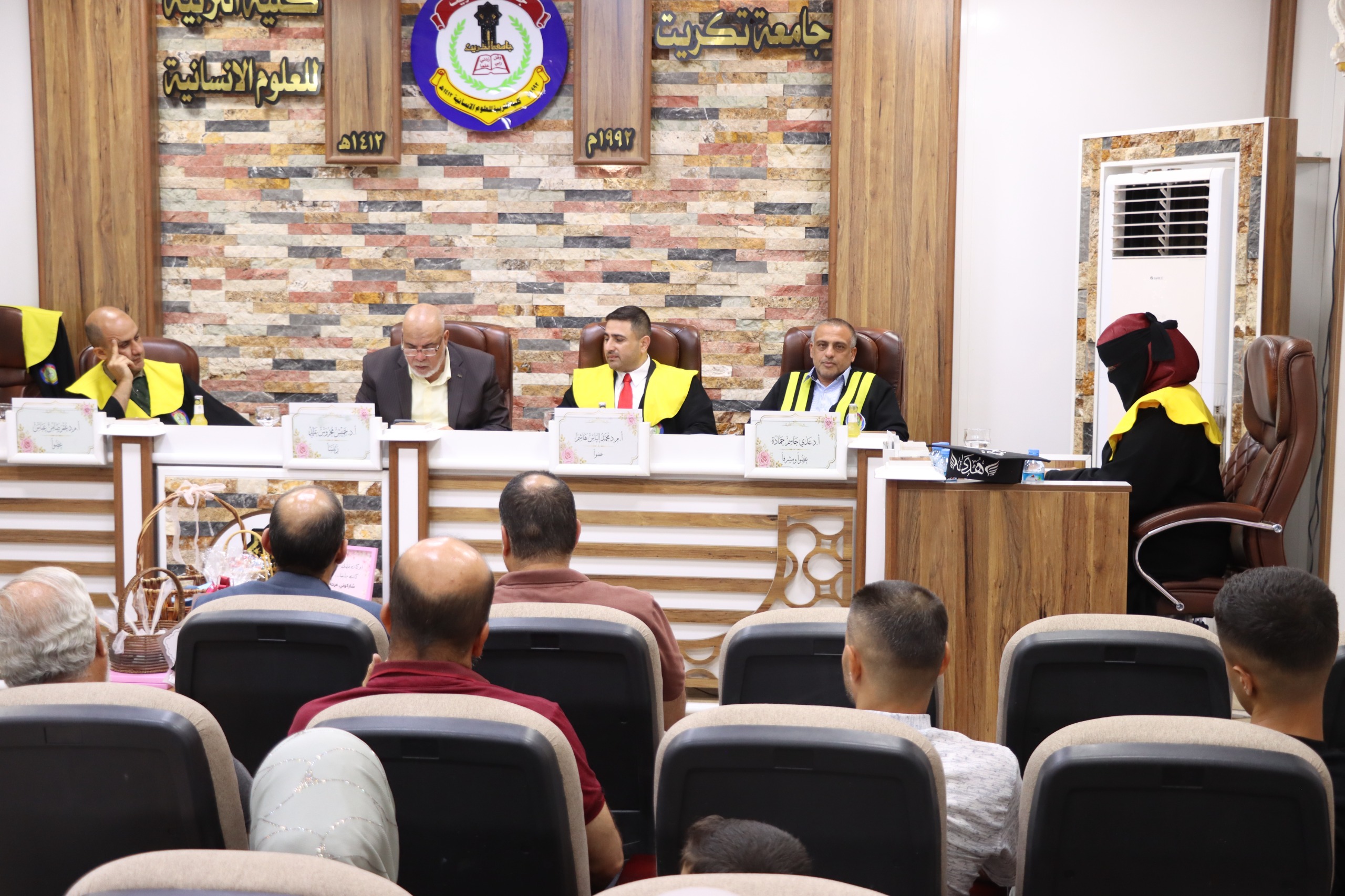
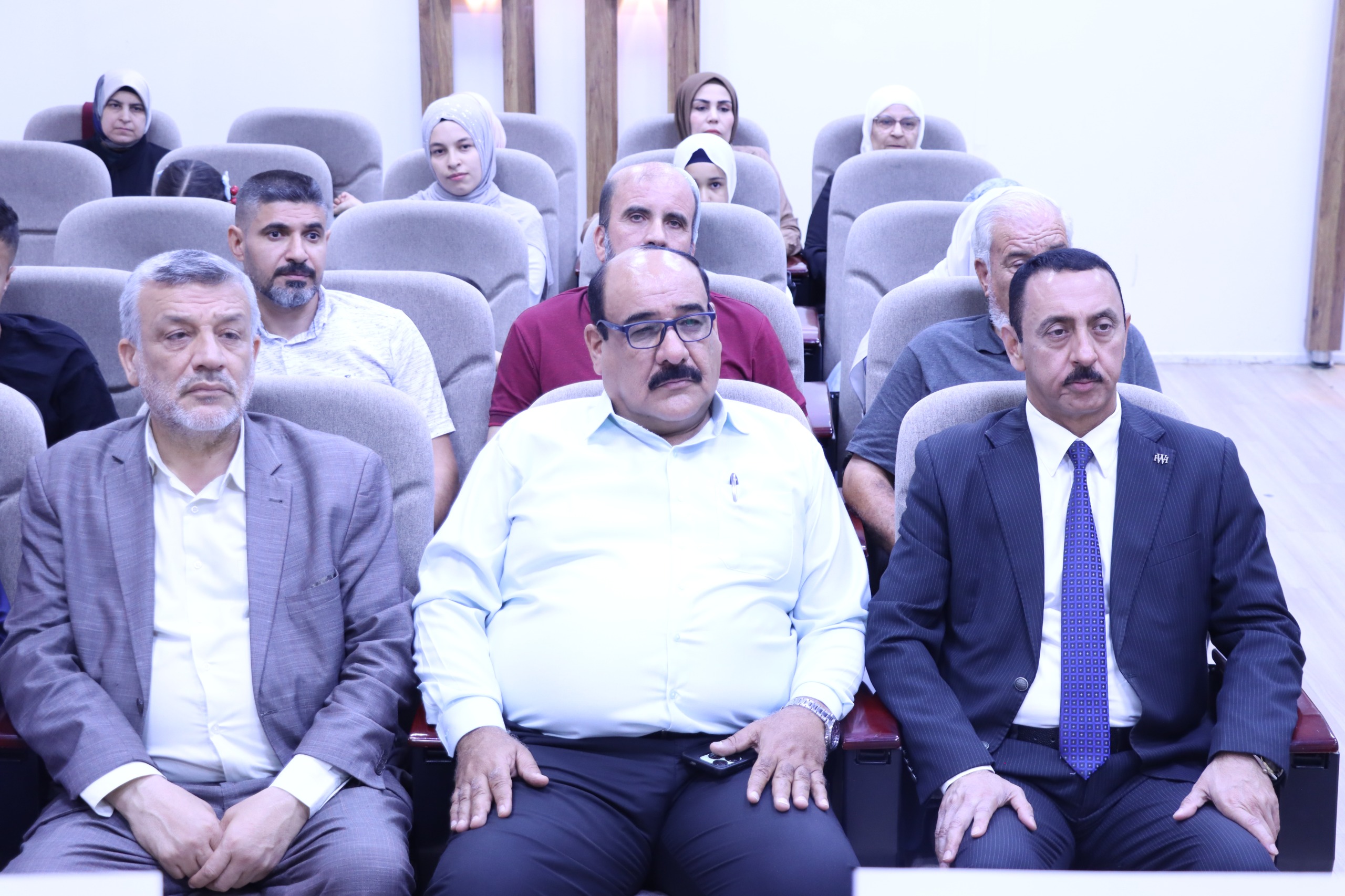
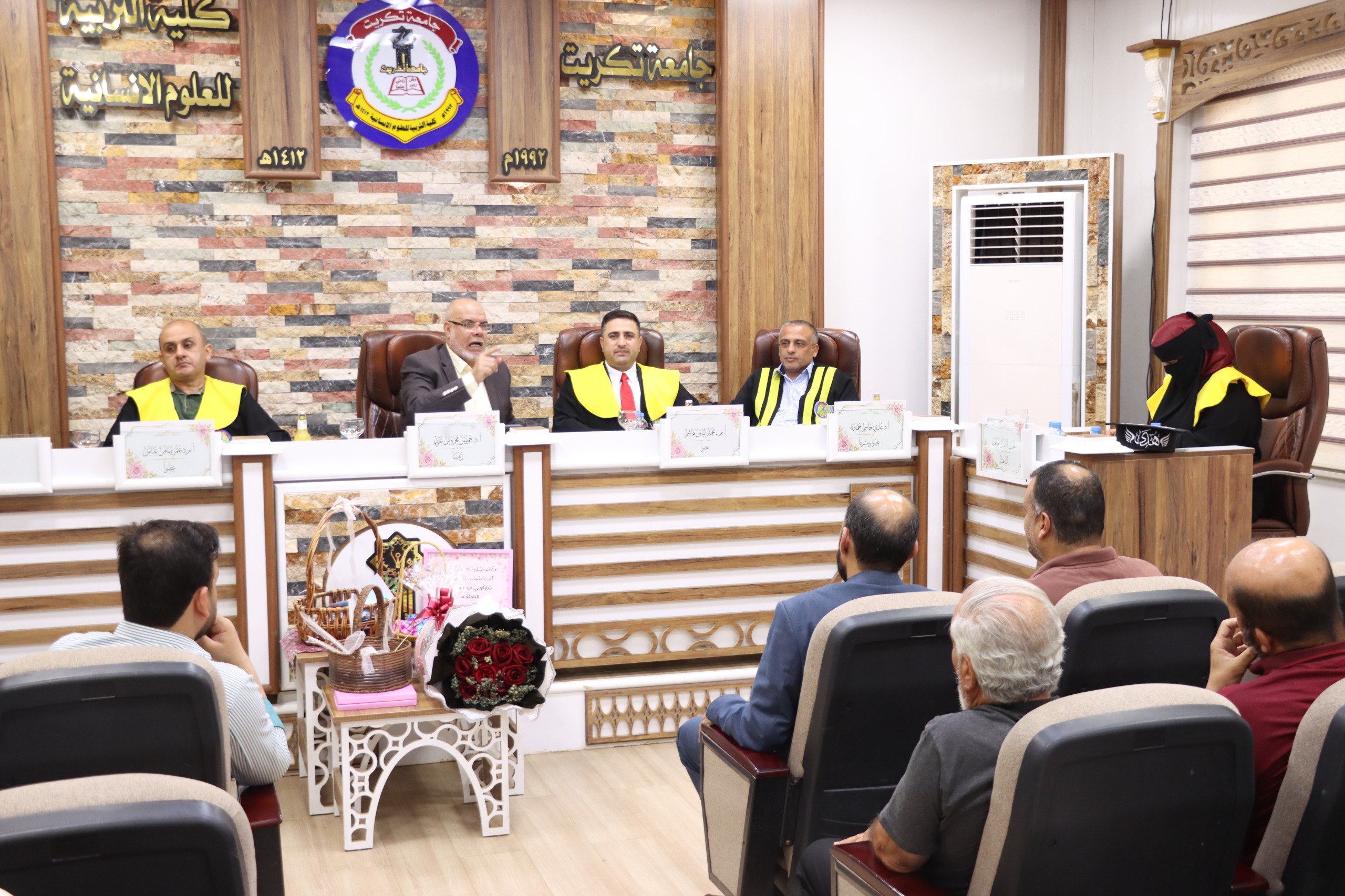
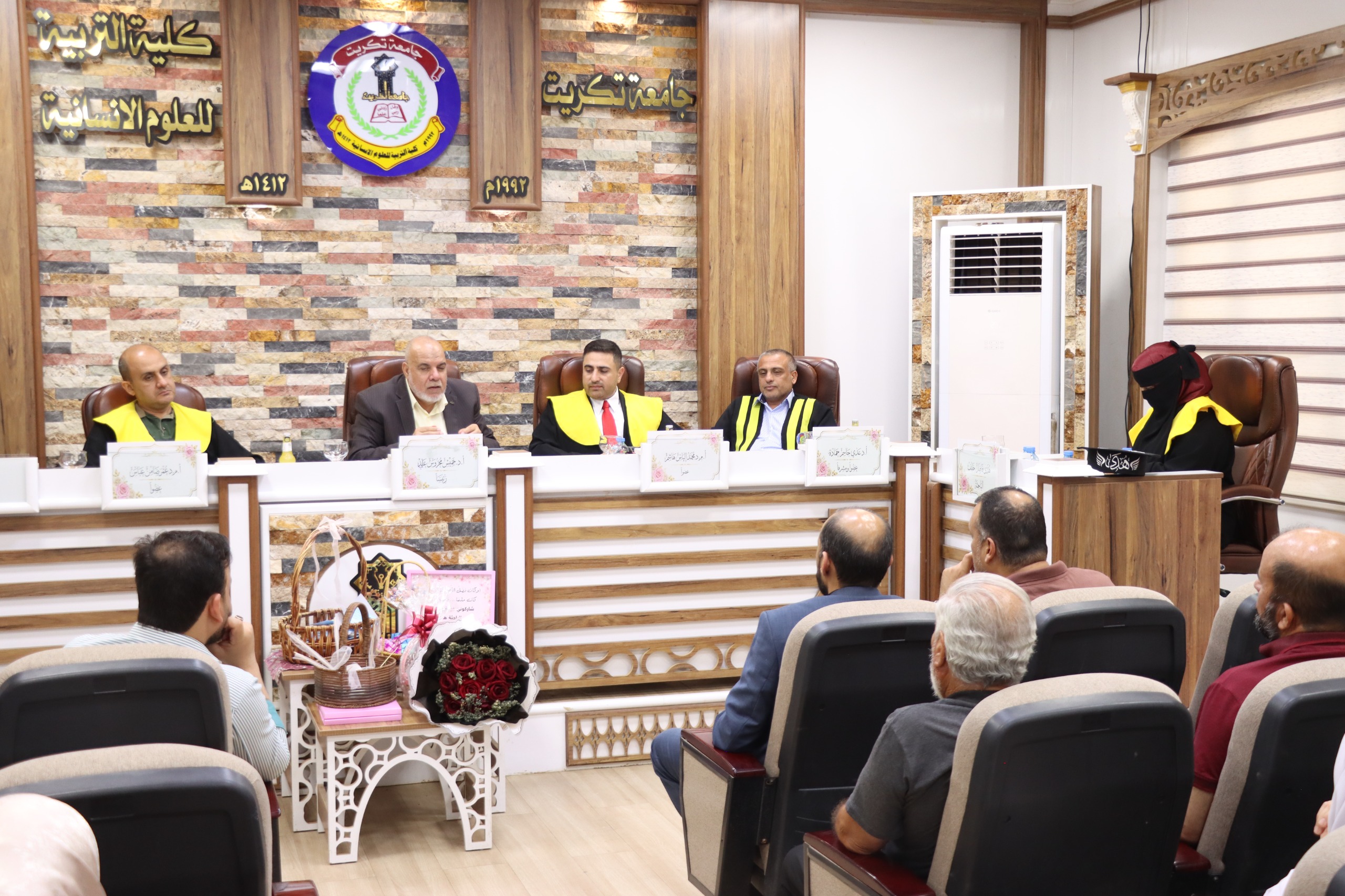
A Master’s thesis was defended at the Department of Qur’anic Sciences and Islamic Education, College of Education for Humanities, on Tuesday, June 23, 2026, by the student Huda Fadhil Khalaf Al-Douri, entitled “The Hadiths Narrated by Imam Ahmad (d. 241 AH) and Classified by Imam Al-Haythami (d. 807 AH) in Majma‘ Al-Zawa’id wa Manba‘ Al-Fawa’id as ‘Its Narrators Are Trustworthy’: From the Chapter on Custody to the Chapter on Horses and Their Keeping – Collection, Authentication, and Study.”
The thesis aims to collect the hadiths narrated by Imam Ahmad ibn Hanbal in his Musnad that were classified by Imam Nur al-Din Al-Haythami (may Allah have mercy on him) in Majma‘ Al-Zawa’id wa Manba‘ Al-Fawa’id with the statement: “Narrated by Ahmad, and its narrators are trustworthy.” The study then examines, authenticates, and evaluates these hadiths.
The significance of the topic lies in its integration of two major hadith sources: the Musnad of Imam Ahmad, one of the most authoritative primary hadith collections, and Majma‘ Al-Zawa’id, a comprehensive compilation of supplementary hadiths accompanied by concise critical evaluations of their chains of transmission. The researcher adopted the inductive method to identify the hadiths to which Al-Haythami applied this judgment, followed by an analytical and critical approach through examining their chains of transmission, introducing their narrators, reviewing the opinions of leading scholars of al-jarh wa al-ta‘dil (narrator criticism and accreditation), and comparing Al-Haythami’s evaluations with those of both early and later hadith critics.
The study reached several important findings, including:
- Imam Ahmad was among the most eminent scholars of hadith and Islamic jurisprudence. He was known as the Imam of Ahl al-Sunnah due to his exceptional memory, precision, piety, critical insight, and his commitment to prioritizing textual evidence over personal opinion.
- Although Imam Ahmad did not impose a strict condition of authenticity in compiling his Musnad, he primarily relied on hadiths widely recognized by scholars and transmitted by trustworthy narrators while avoiding reports deemed objectionable or fabricated. This made the Musnad one of the most important hadith sources and one of the largest collections preserving the Prophetic Sunnah with its chains of transmission.
- The number of hadiths described by Imam Al-Haythami with the phrase “its narrators are trustworthy” amounted to twenty-five hadiths.
- The findings revealed that Al-Haythami employed the phrase “its narrators are trustworthy” as a general evaluation of a hadith’s chain of transmission in terms of narrator reliability. However, this assessment occasionally reflected a degree of leniency, particularly when relying on the judgments of scholars known for being more accommodating in accrediting narrators.
- The study concluded that only four hadiths out of the twenty-five examined were classified as authentic, namely hadith numbers (5, 20, 22, and 24).
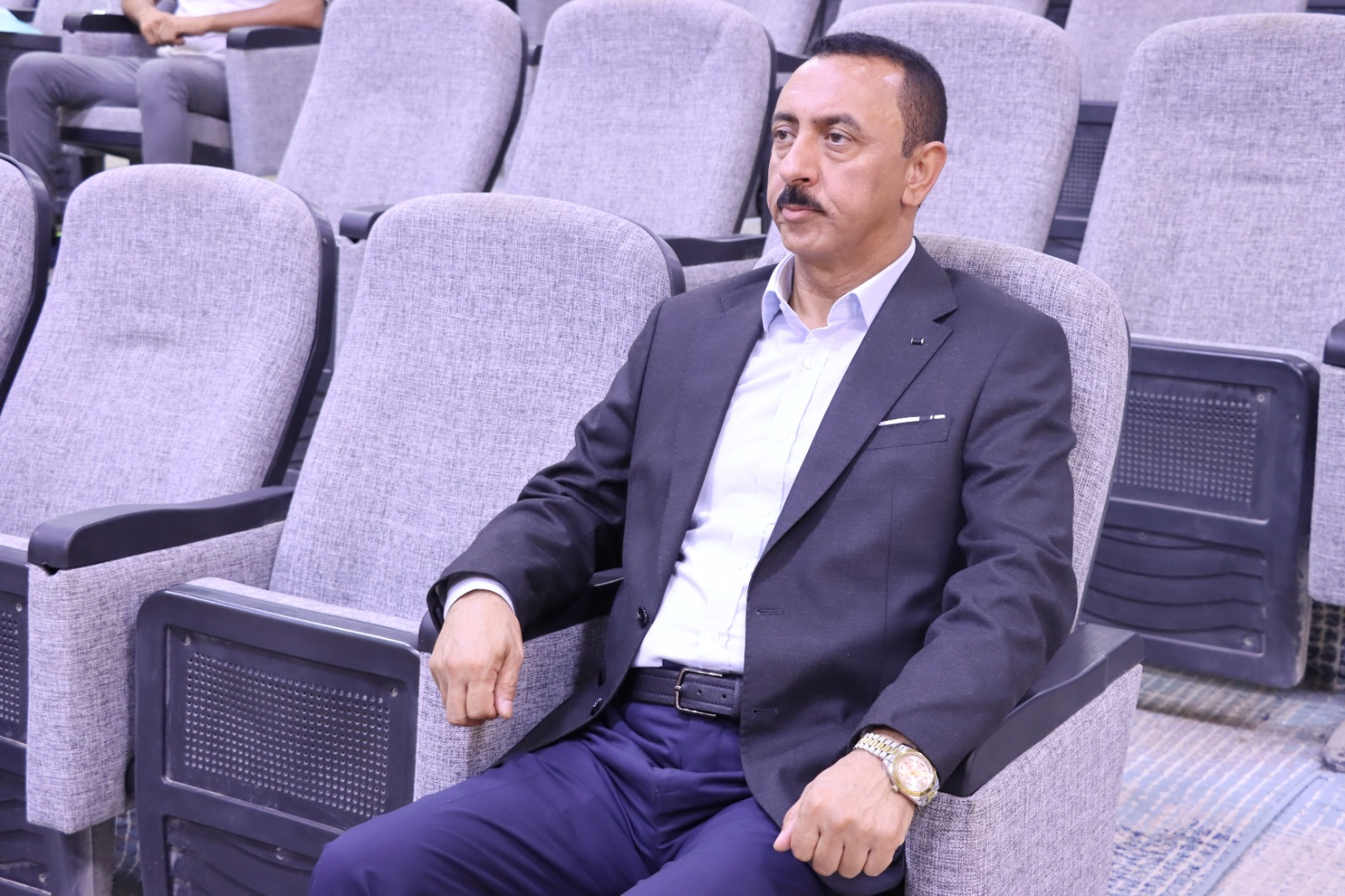
The examination committee consisted of:
- Prof. Dr. Khamees Mahrous Abd – University of Tikrit, College of Islamic Sciences (Chair)
- Asst. Prof. Dr. Mohammed Ilyas Hashim – University of Mosul, College of Islamic Sciences (Member)
- Asst. Prof. Dr. Omar Dhamin Abbas – University of Tikrit, College of Education for Humanities (Member)
- Prof. Dr. Adi Jassim Hamada – University of Tikrit, College of Education for Humanities (Member and Supervisor)
Media and Government Communication Division
College of Education for Humanities – University of Tikrit