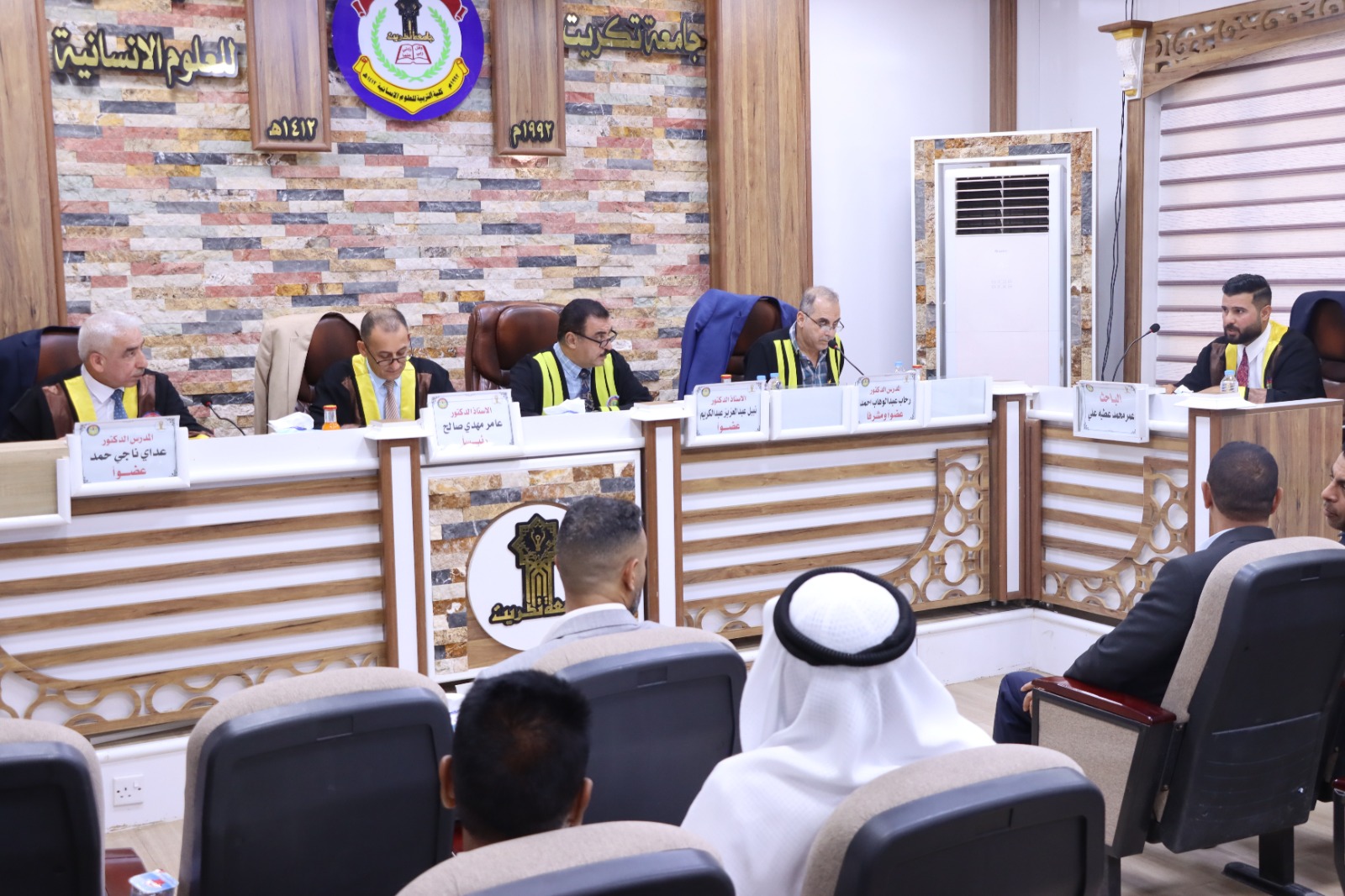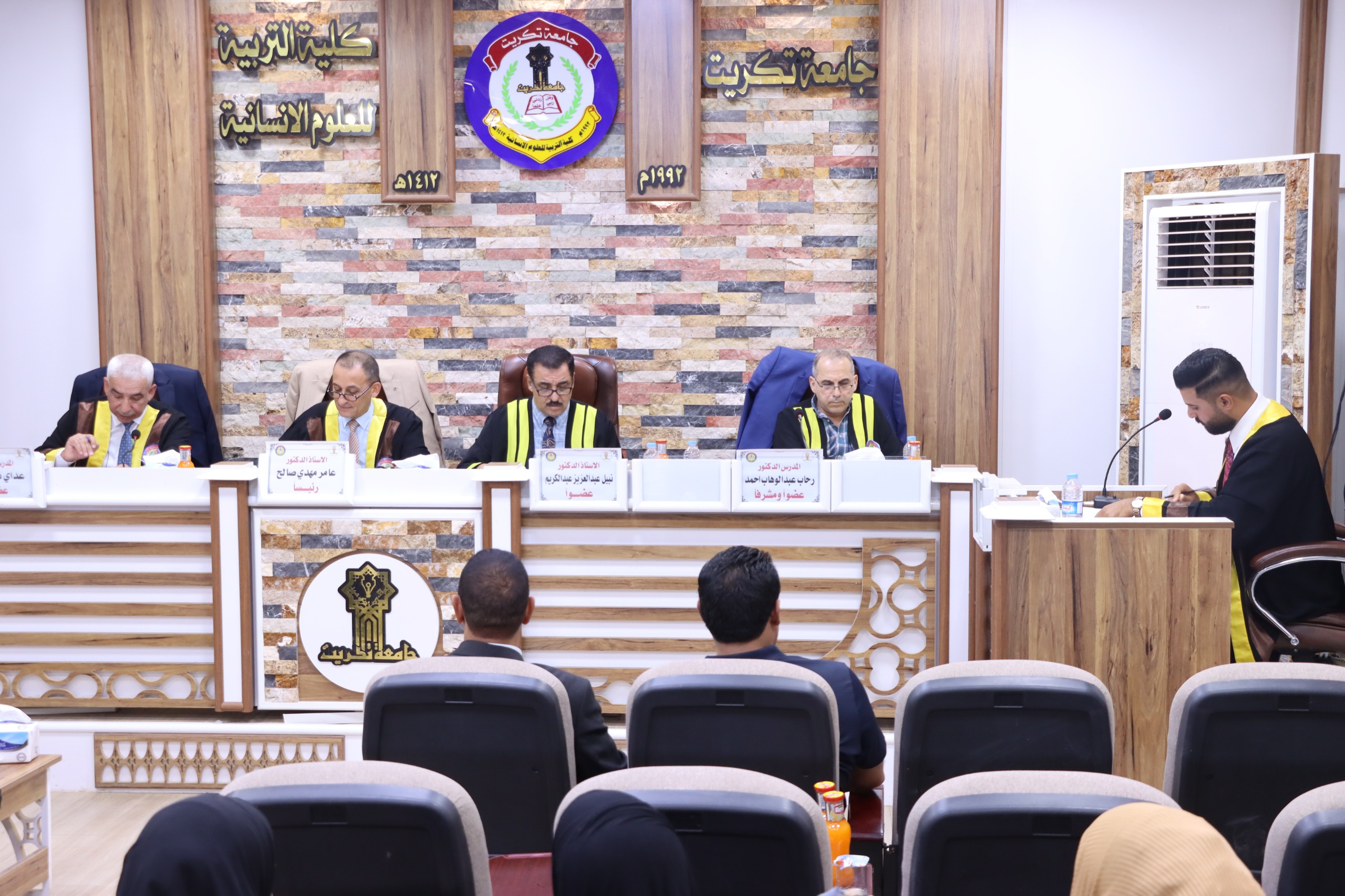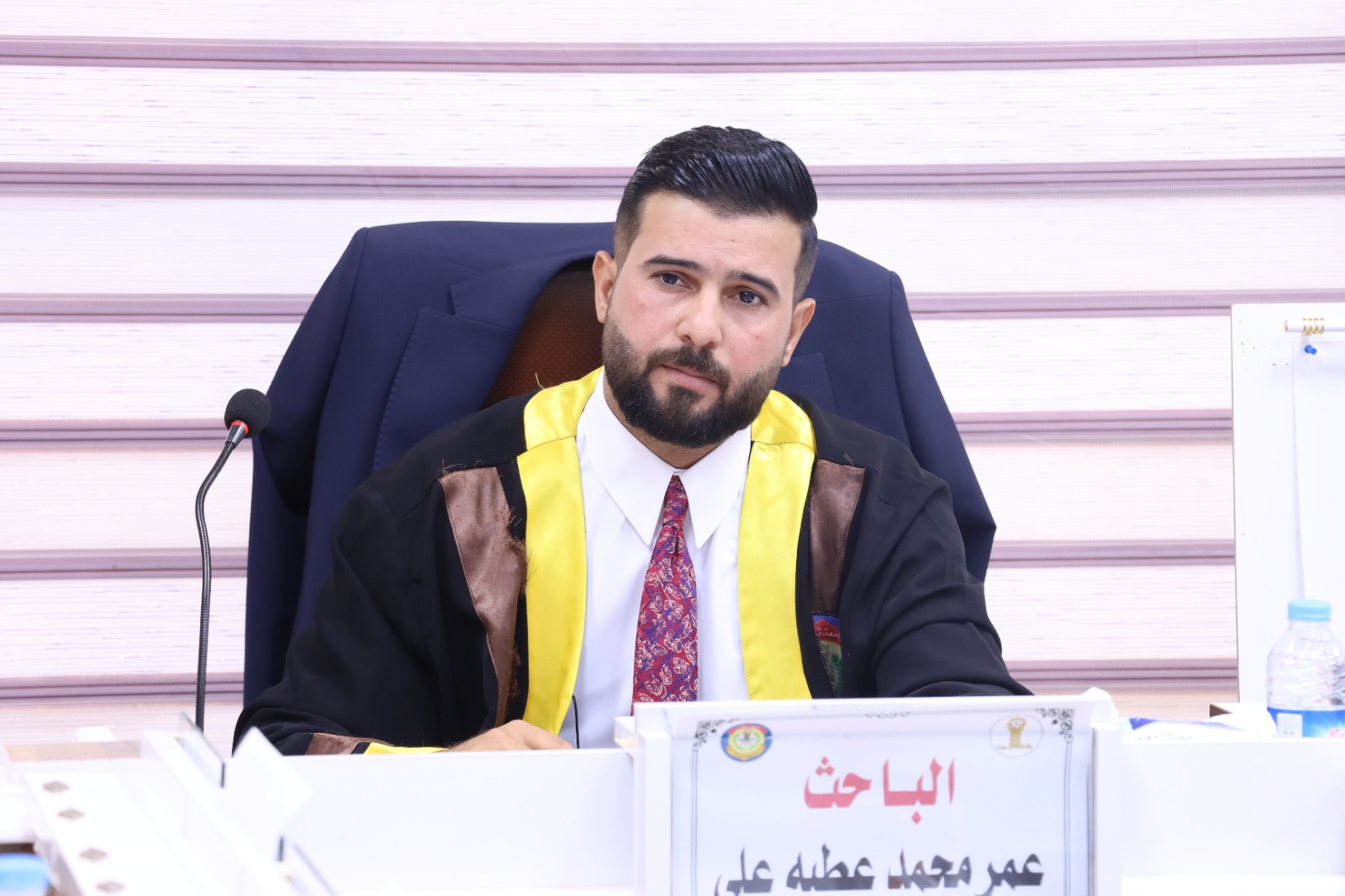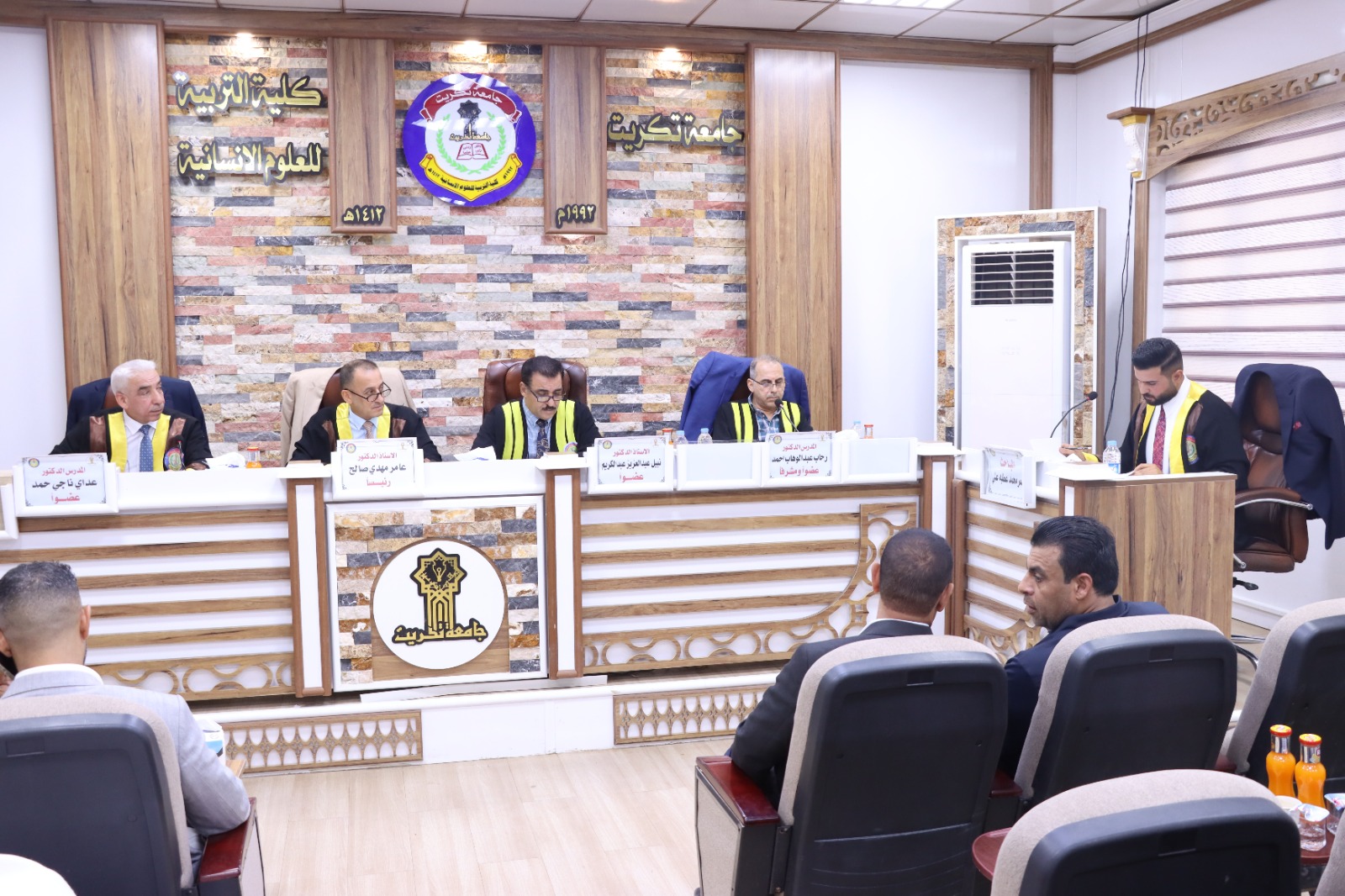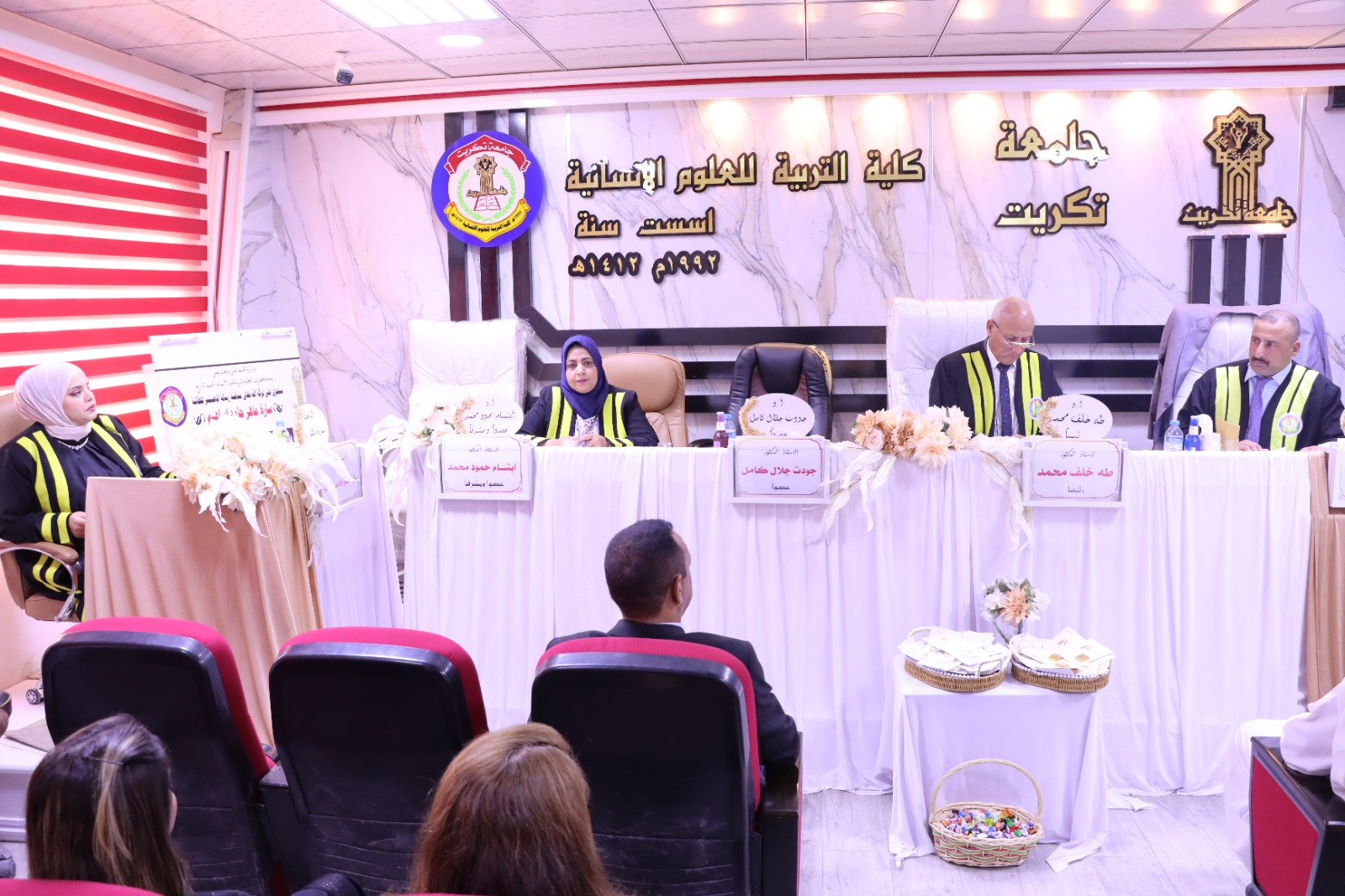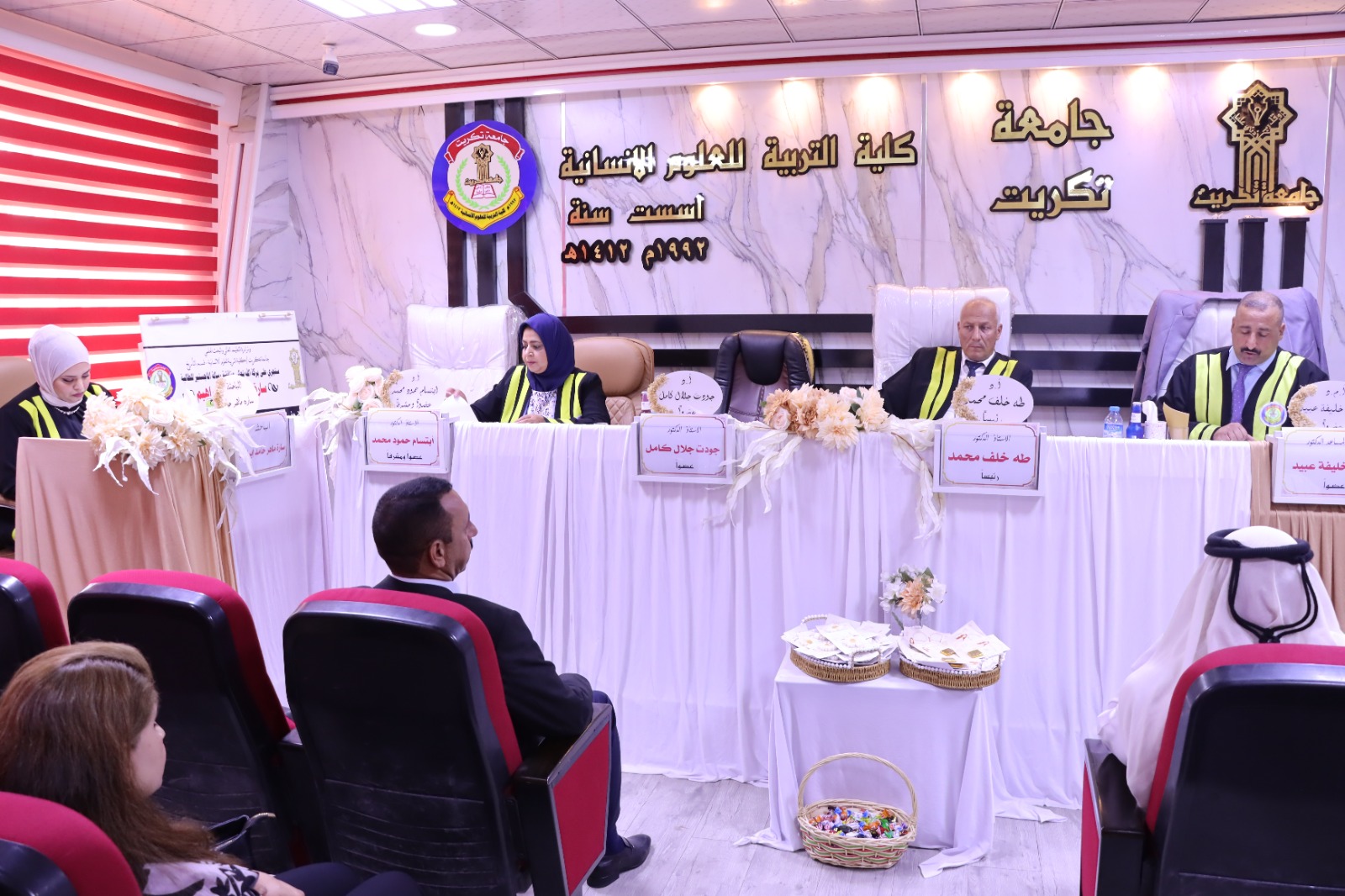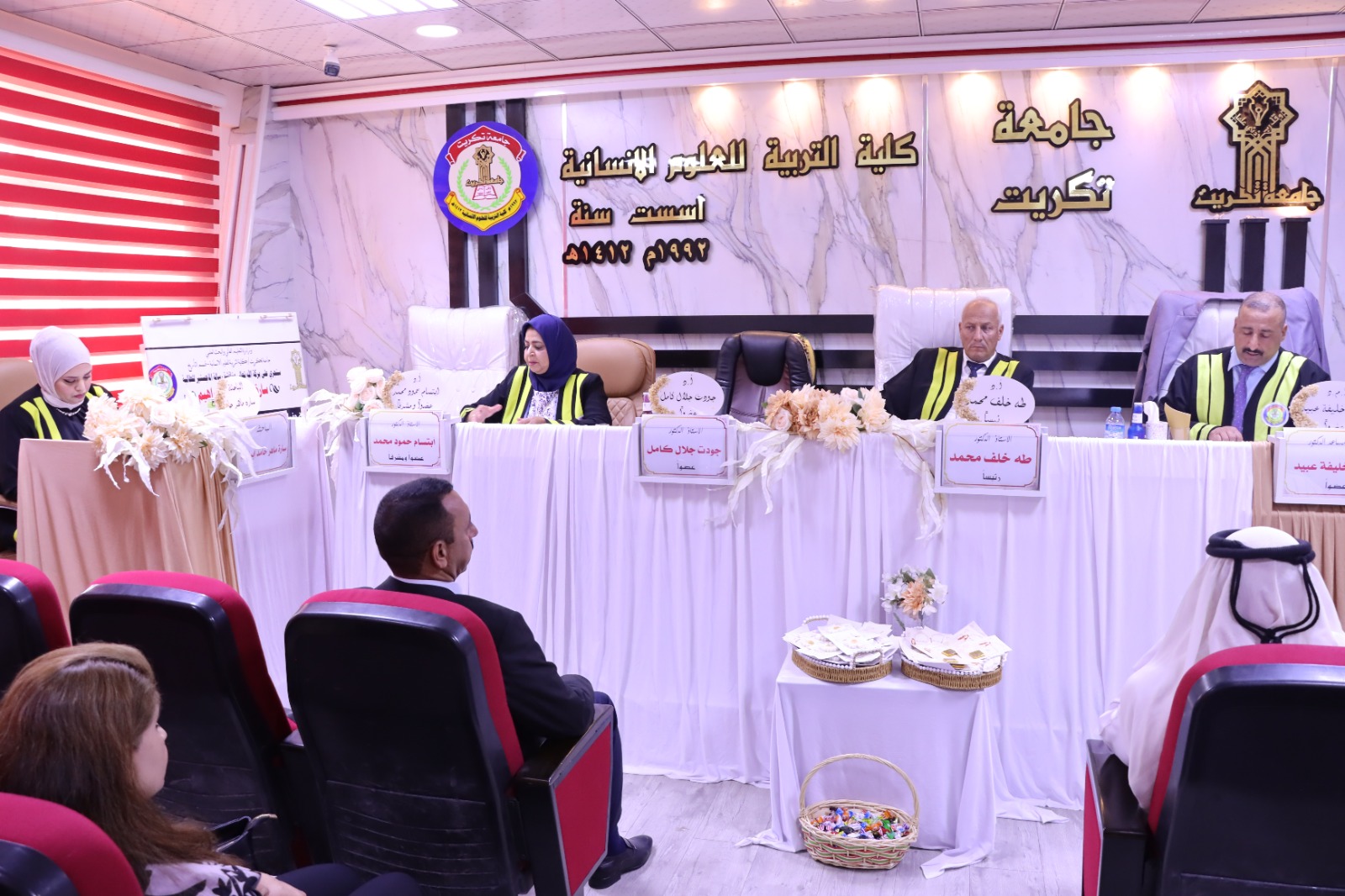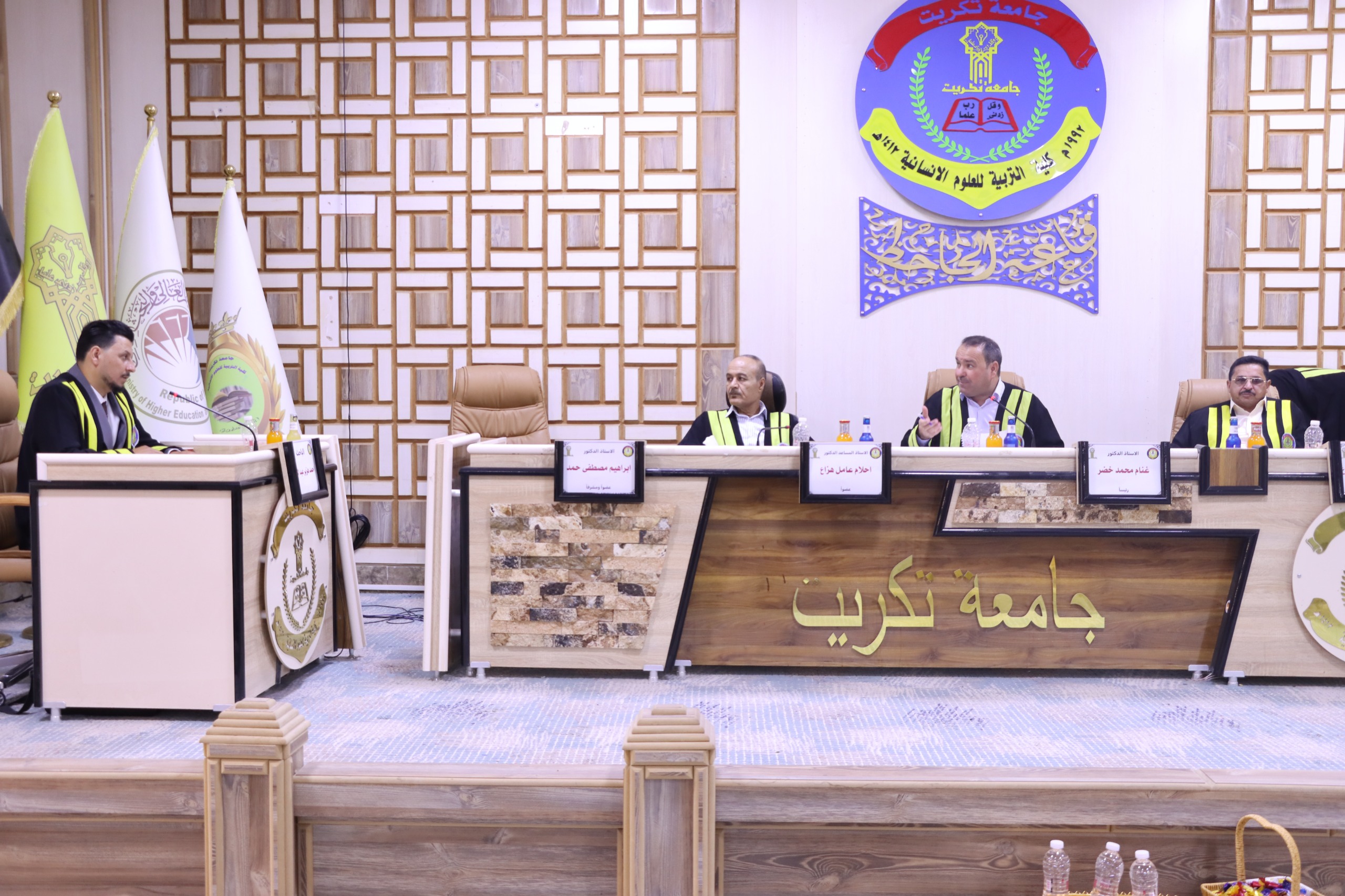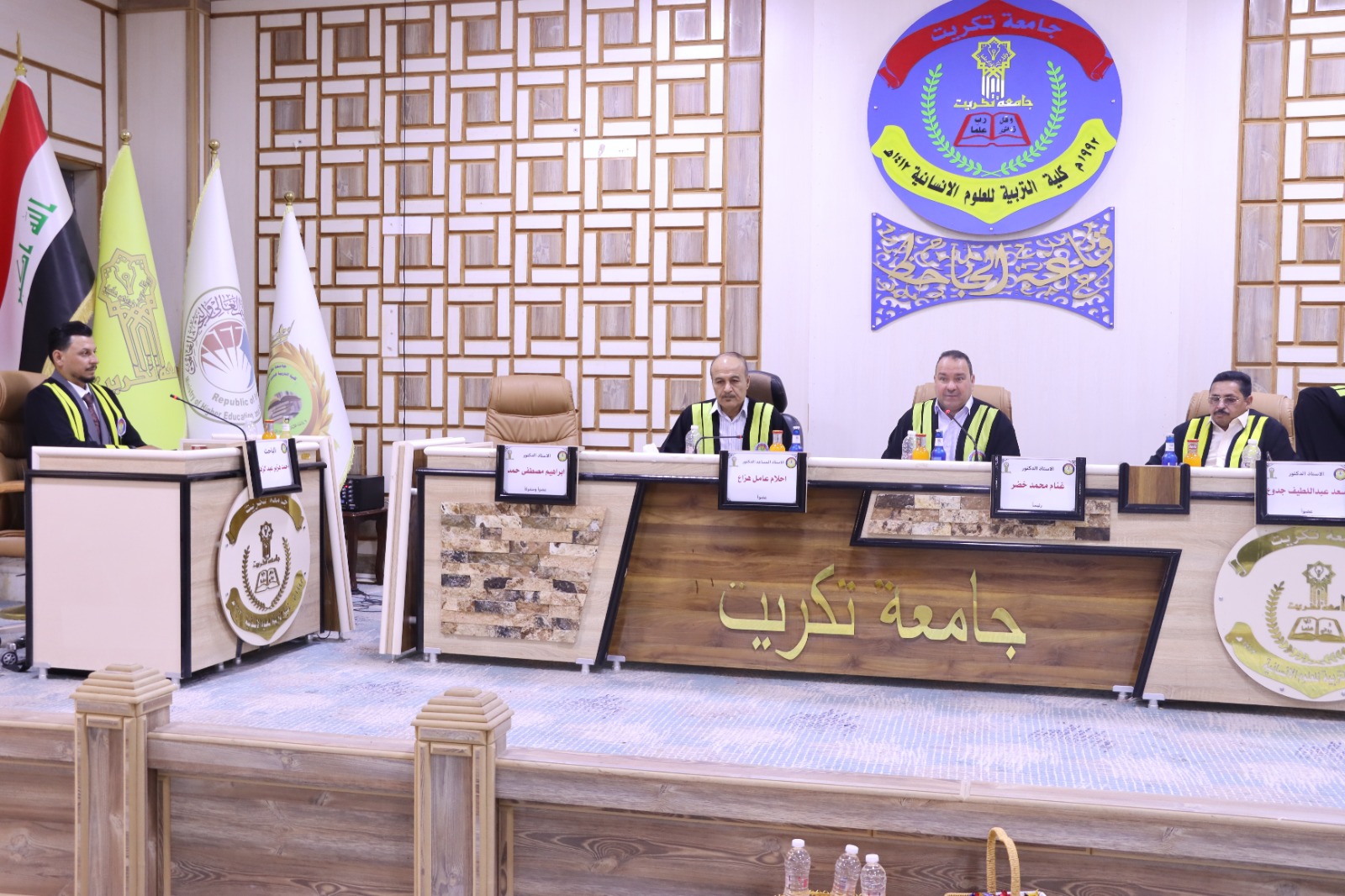
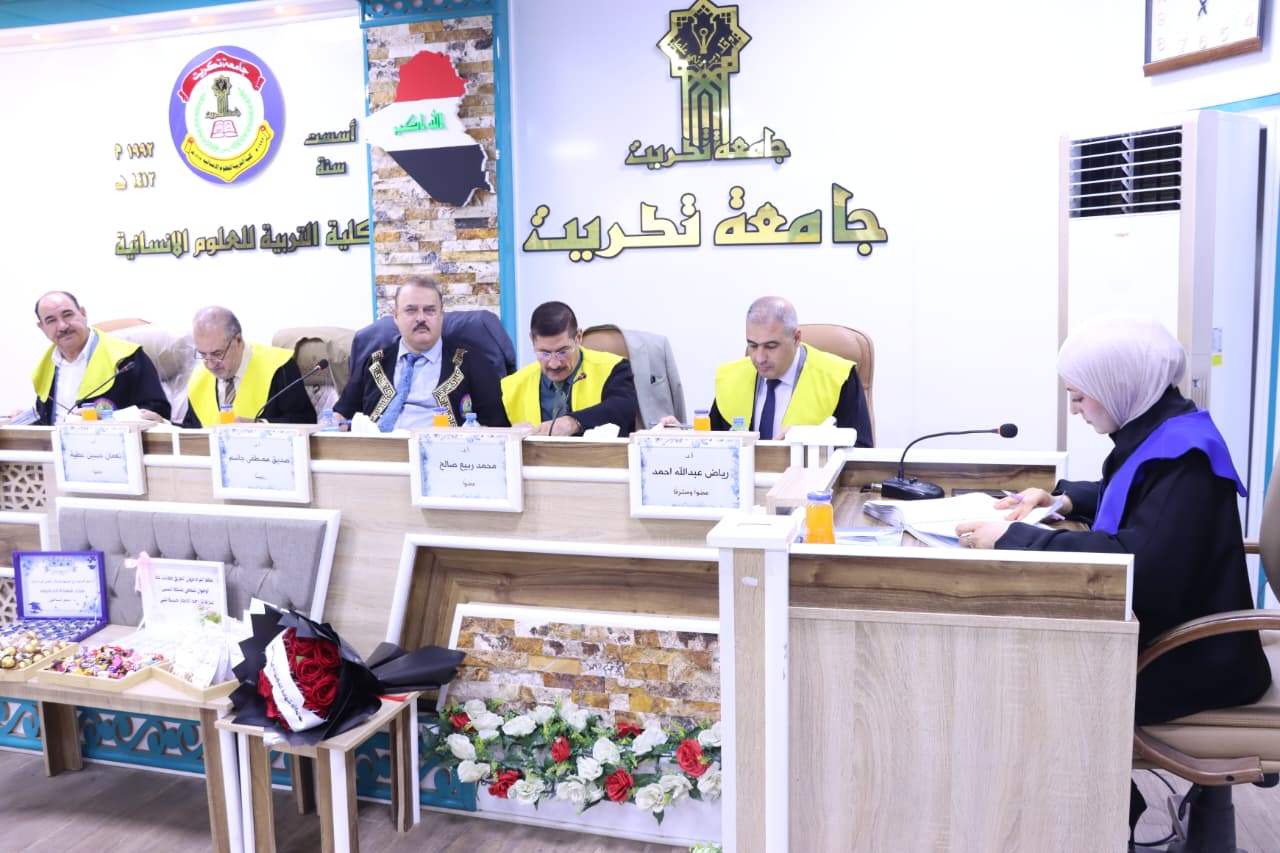
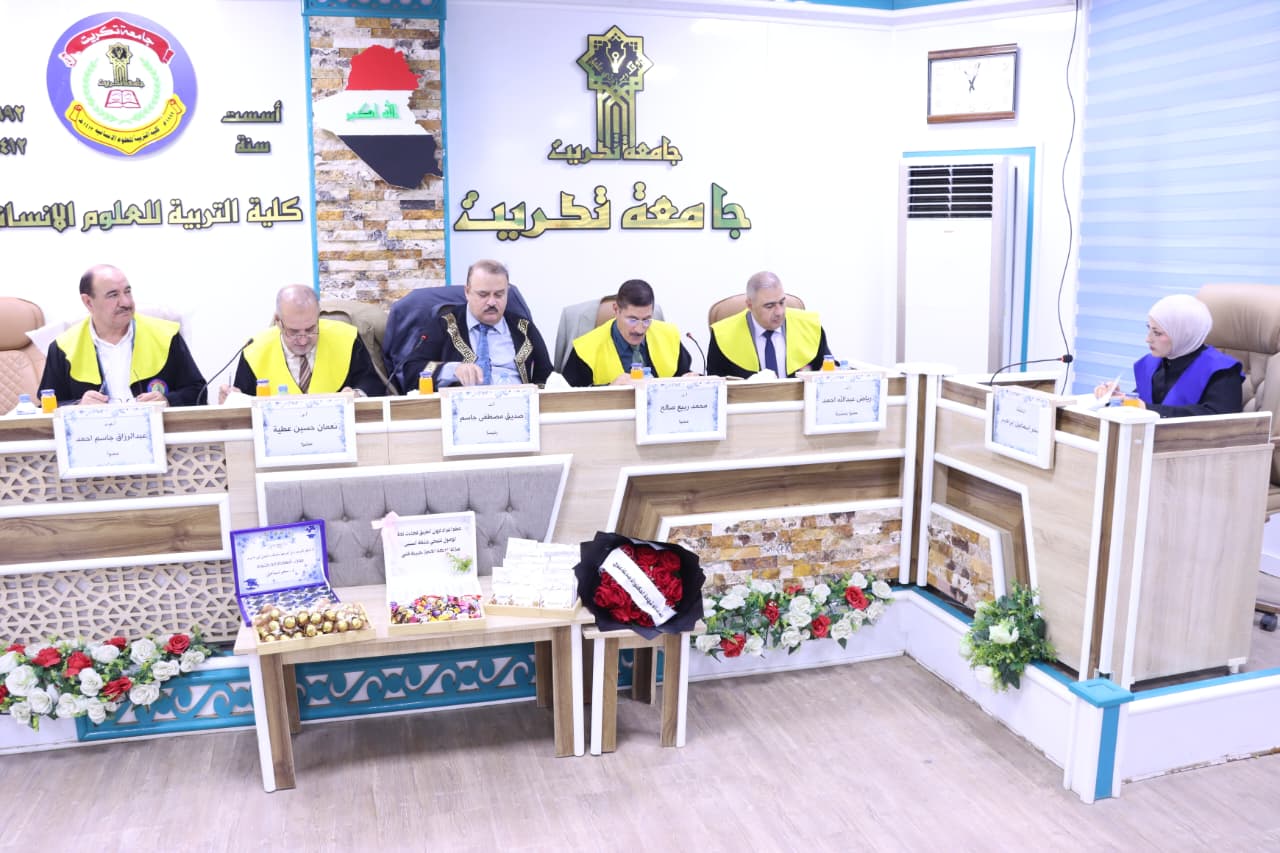
A PhD dissertation was defended at the Department of Geography, College of Education for Humanities, on Wednesday, June 17, 2026, by the student Sahar Ismail Ibrahim Al-Jubouri, entitled “The Role of Residential Investment Projects and Their Implications for the Housing Deficit Phenomenon in Salah Al-Din Governorate.”
Investment projects in Iraq occupy a significant position due to their expected positive contributions to the national economy. The establishment of the National Investment Commission under Law No. 13 of 2006 represented a strategic step toward planning and promoting residential investment across the country. Iraq possesses numerous factors that encourage investment, including natural resources such as oil, gas, and land of various uses, as well as human resources, market potential, and a strategically important geographical location.
In Salah Al-Din Governorate, investment projects are distributed unevenly across different sectors and districts. The governorate hosts a total of 172 investment projects, classified into residential, industrial, commercial, service, agricultural, and health sectors. Residential investment projects account for 58 projects, distributed among the governorate’s districts. The study aimed to examine the current status of residential investment projects in Salah Al-Din Governorate and assess their impact on the housing deficit as of 2024.
The study reached several key findings, including:
- A significant disparity in the geographical distribution of residential investment projects, with a concentration in certain districts at the expense of others.
- Limited access of middle- and low-income groups to the benefits of residential investment projects, restricting their advantages to specific segments of society.
- The limited role of the central government in allocating affordable housing complexes for low-income groups and incorporating them into the governorate’s investment project portfolio, alongside the absence of a clear implementation mechanism for such projects.
- The existence of technical and financial challenges that have hindered the ability of residential investment projects to address the housing shortage affecting most districts of the governorate. This has contributed to rising prices of housing units and land in urban centers, negatively impacting the governorate’s investment environment.
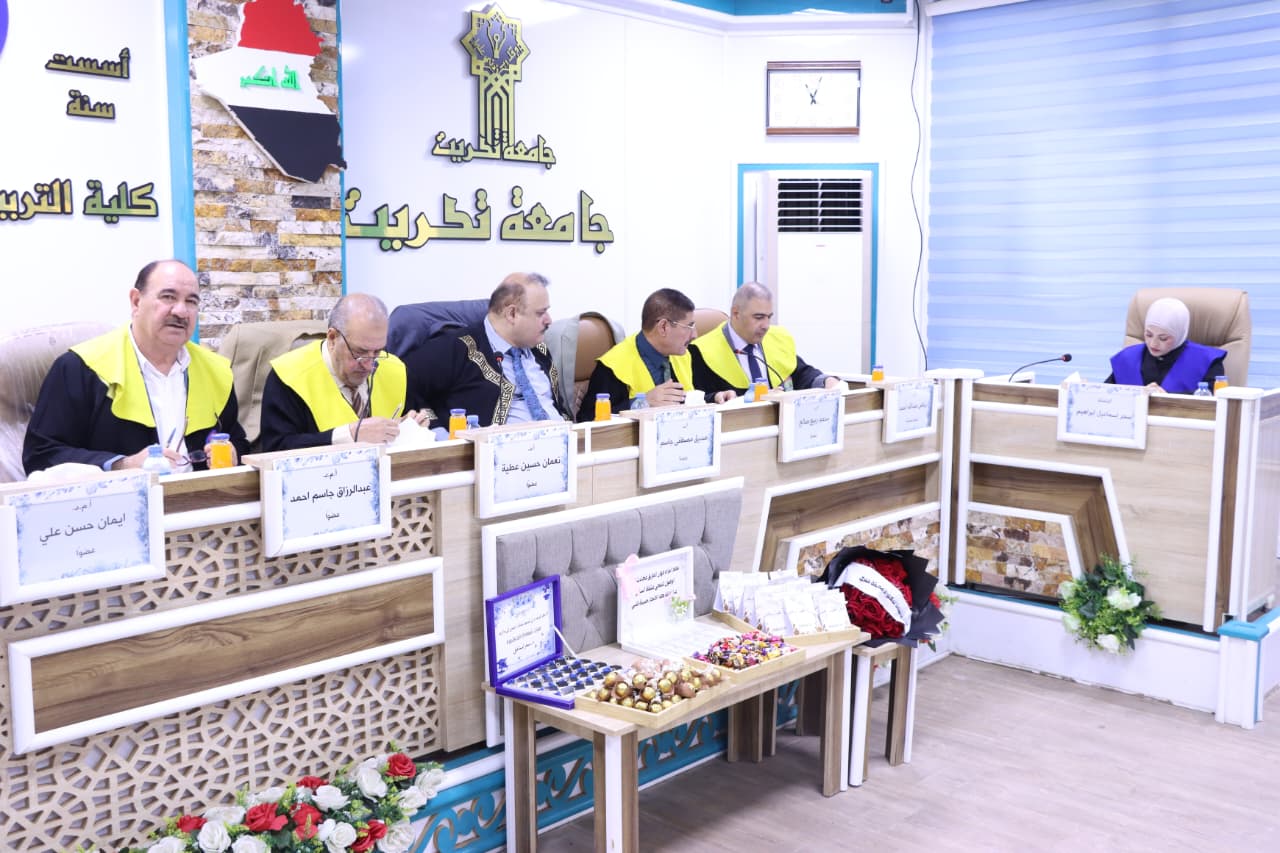
The examination committee consisted of:
- Prof. Dr. Sadiq Mustafa Jassim – University of Tikrit, College of Education for Humanities (Chair)
- Prof. Dr. Nu‘man Hussein Atiyah – University of Tikrit (Retired) (Member)
- Prof. Dr. Mohammed Rabee Salih – Al-Mustansiriyah University, College of Education (Member)
- Asst. Prof. Dr. Abdulrazzaq Jassim Ahmed – University of Tikrit, College of Education for Humanities (Member)
- Asst. Prof. Dr. Iman Hussein Ali – University of Tikrit, College of Education for Humanities (Member)
- Prof. Dr. Riyadh Abdullah Ahmed – University of Tikrit, College of Education for Humanities (Member and Supervisor)
Media and Government Communication Division
College of Education for Humanities – University of Tikrit